Orthodontic Services
Invisalign in Queens, NY: Clear Aligners Planned by a Board-Certified Orthodontist
Clear, removable aligners for kids, teens, and adults, planned and monitored by Dr. Pinhasov himself from your first scan to your final retainer. Start with a free consultation in Queens.
“They have excellent service, especially the receptionist and the overall atmosphere of the place is really nice. The doctor is very good and extremely informative. I highly recommend bp smiles.”
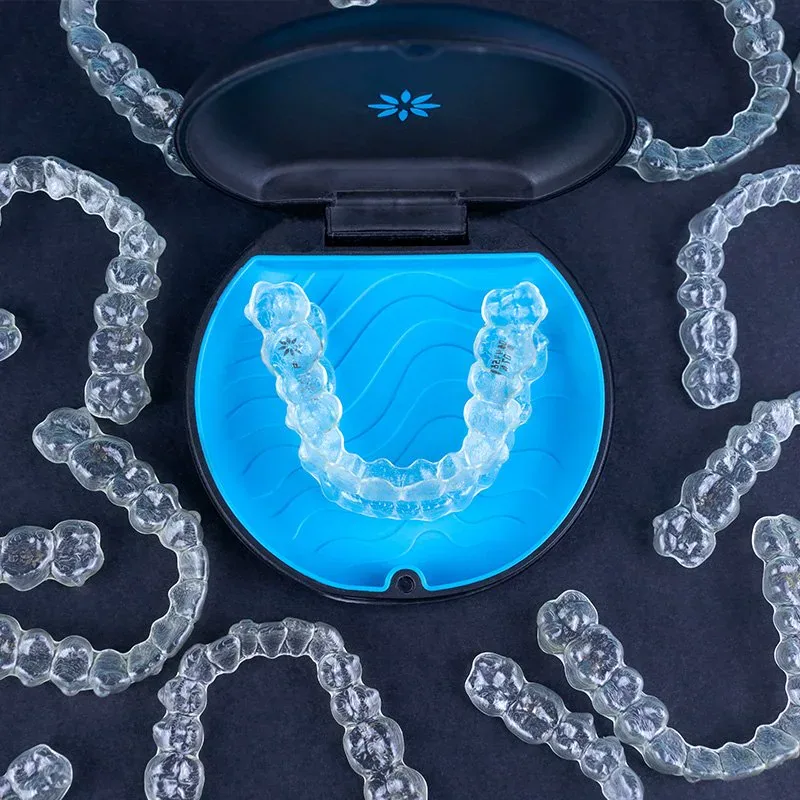

ABO Diplomate

Languages
English · Русский · Español

Free Consultations

Board-Certified Orthodontist
Common questions
Quick answers before your Invisalign consultation

Concern Match
Is Invisalign Right for You?
Five questions Dr. Pinhasov hears most before a first Invisalign visit.

Have you avoided fixing your smile because braces feel too visible for work or social settings?
Invisalign is widely used by adults who want clear, removable aligners. Dr. Pinhasov treats both teens and adults at BP Smiles, with the standard system for adults and Invisalign Teen for younger patients. Learn about Adult Orthodontics.
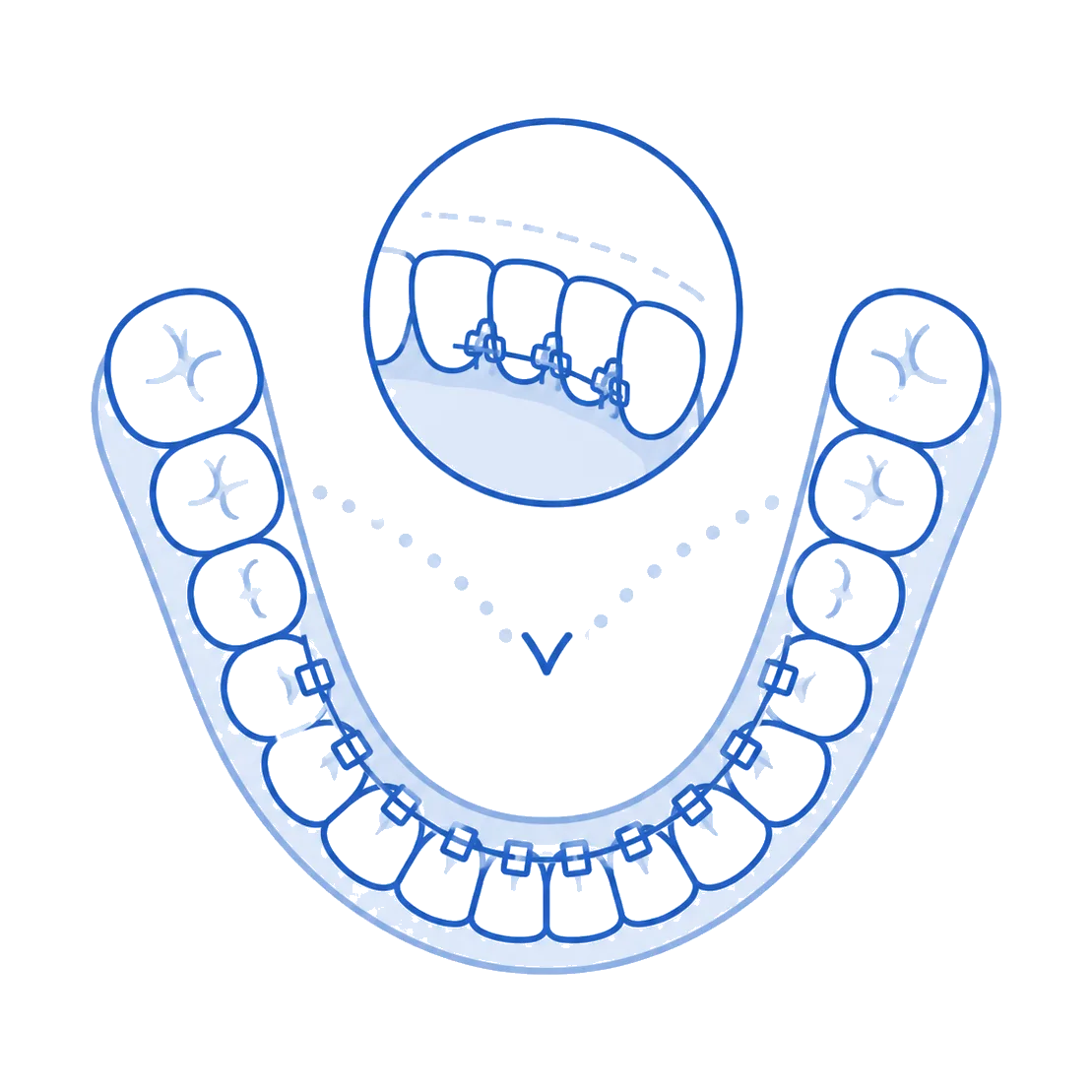
Do you have crowns or veneers and worry you can't get clear aligners?
You can. Dr. Pinhasov says Invisalign is his preferred option for patients with multiple crowns or veneers, since the aligners don't bond directly to the teeth like brackets do. Schedule a consultation.

Are you worried about restricting meals or snacks for the next year?
No restrictions. The trays come out for every meal and snack. Brush and re-insert after eating to keep the aligners and your teeth clean.
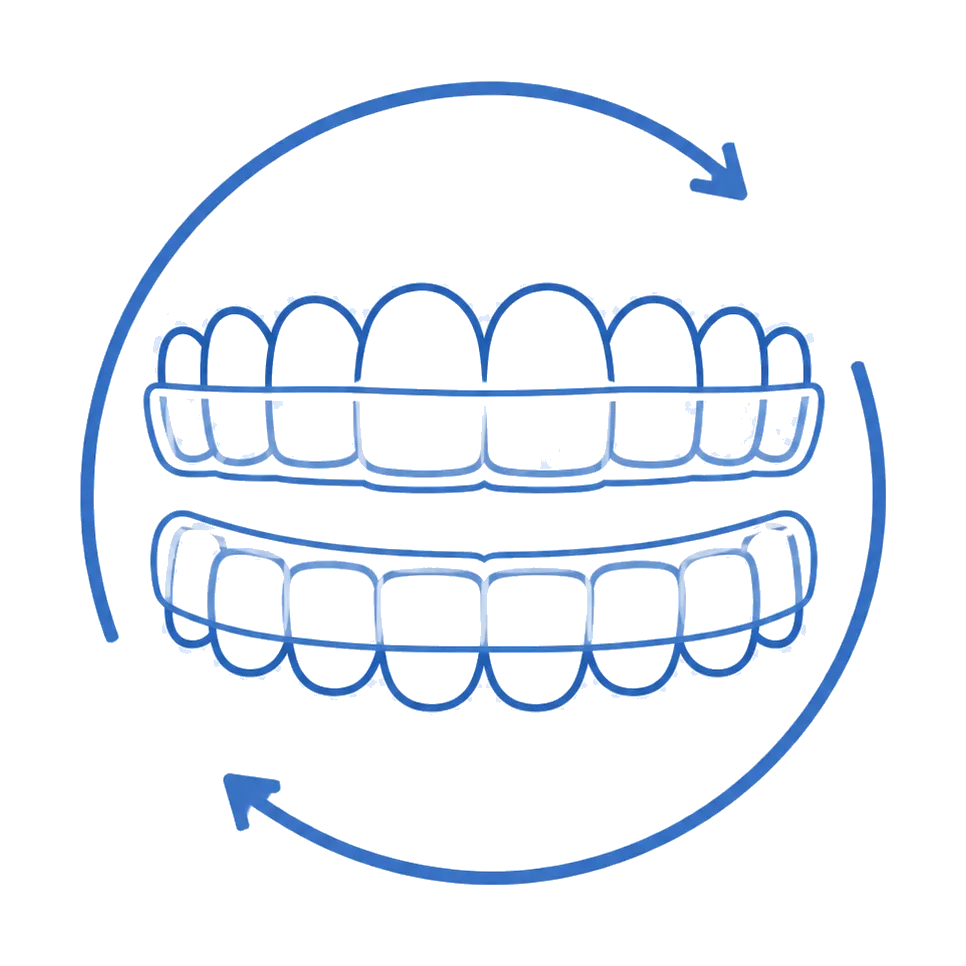
Have you been told your case is too complex for clear aligners?
Invisalign handles crowding and spacing well, and can widen the upper and lower posterior teeth for a fuller smile. Dr. Pinhasov reviews the ClinCheck simulation with you before treatment starts, so the plan is confirmed before any trays are ordered. For cases that need brackets, see Types of Braces.
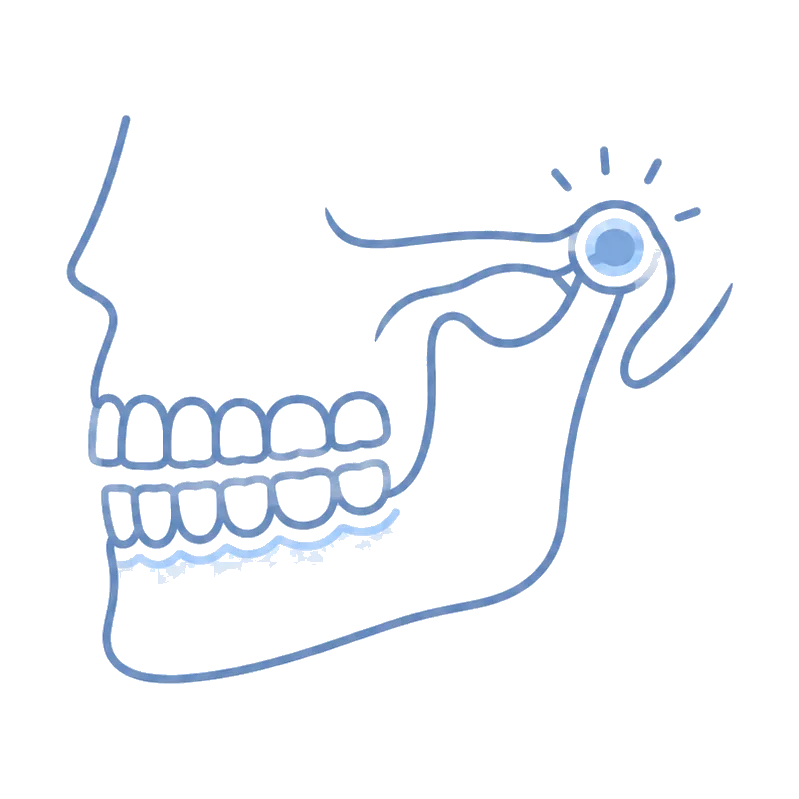
Do you have active gum disease or a known TMJ issue?
Those get addressed first. Active periodontal disease must be resolved by a periodontist or general dentist before orthodontic treatment can begin. TMJ symptoms are usually evaluated by a TMJ specialist before starting Invisalign. Meet Dr. Boris Pinhasov.
Years of Practice
Languages Spoken
Star Rating
Google Reviews
Invisalign Orthodontist in Queens, NY
Invisalign moves your teeth with clear, removable aligners instead of brackets and wires, so most people will not notice you are straightening your smile. The part that actually matters is who plans it. At BP Smiles, your treatment is designed and monitored by Dr. Boris Pinhasov, a board-certified orthodontist with 15 years of experience, not a mail-order kit or a general dentist. He starts with a fast, goop-free 3D scan, shows you a preview of your finished smile before you begin, and gives you an honest plan and your real price at a free consultation. We treat kids, teens, and adults from across Queens, including Bayside, Fresh Meadows, and Forest Hills.
Call (718) 290-9444 to schedule your Invisalign consultation, or book online.
Honest Facts About Invisalign
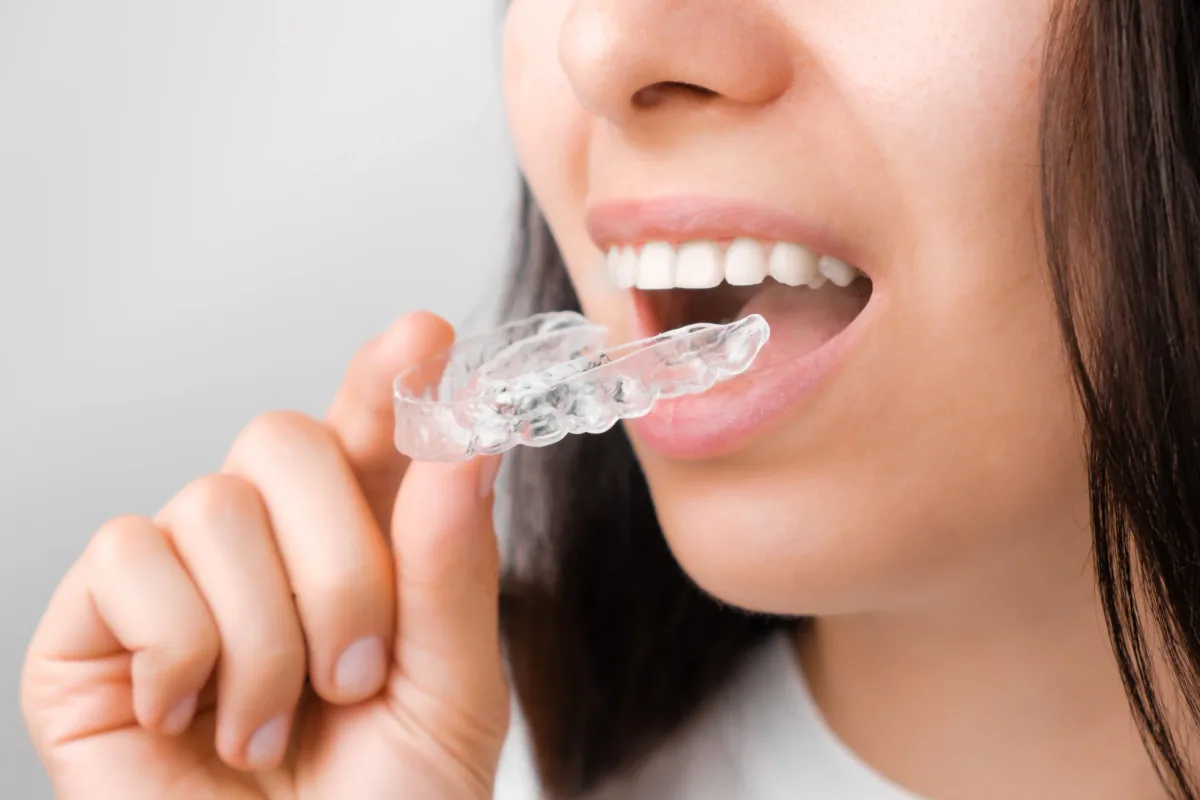
Invisalign is a clear aligner system that straightens teeth using a series of custom-made, removable plastic trays instead of brackets and wires. Each set of aligners is worn for one to two weeks, then swapped for the next in the sequence. Over the full series, your teeth shift gradually into the position planned at the start of treatment.
Clear aligners have been studied as a treatment for mild to moderate orthodontic cases, with research showing they can effectively control specific tooth movements when treatment is planned and monitored properly [2]. The American Association of Orthodontists includes clear aligners among the modern orthodontic options for both teens and adults [1].
At BP Smiles Orthodontics, every Invisalign case is planned by Dr. Pinhasov using ClinCheck software, so you will see a 3D simulation of your finished smile before the first aligner is manufactured.
Benefits of Choosing Invisalign
Patients who choose Invisalign at BP Smiles see consistent advantages over traditional brackets:

Nearly invisible. Aligners are clear plastic. Most people will not notice you are in treatment.
No dietary restrictions. Take the aligners out to eat what you want, then brush and re-insert. No off-limits foods.
Easier oral hygiene. Brush and floss normally. Nothing to work around.
Predictable timeline. ClinCheck digital planning gives you a 3D preview of your finished smile and a projected end date before treatment starts.
Fewer office visits. Most cases need a check-in every six to eight weeks instead of the four to six week cadence required for braces.
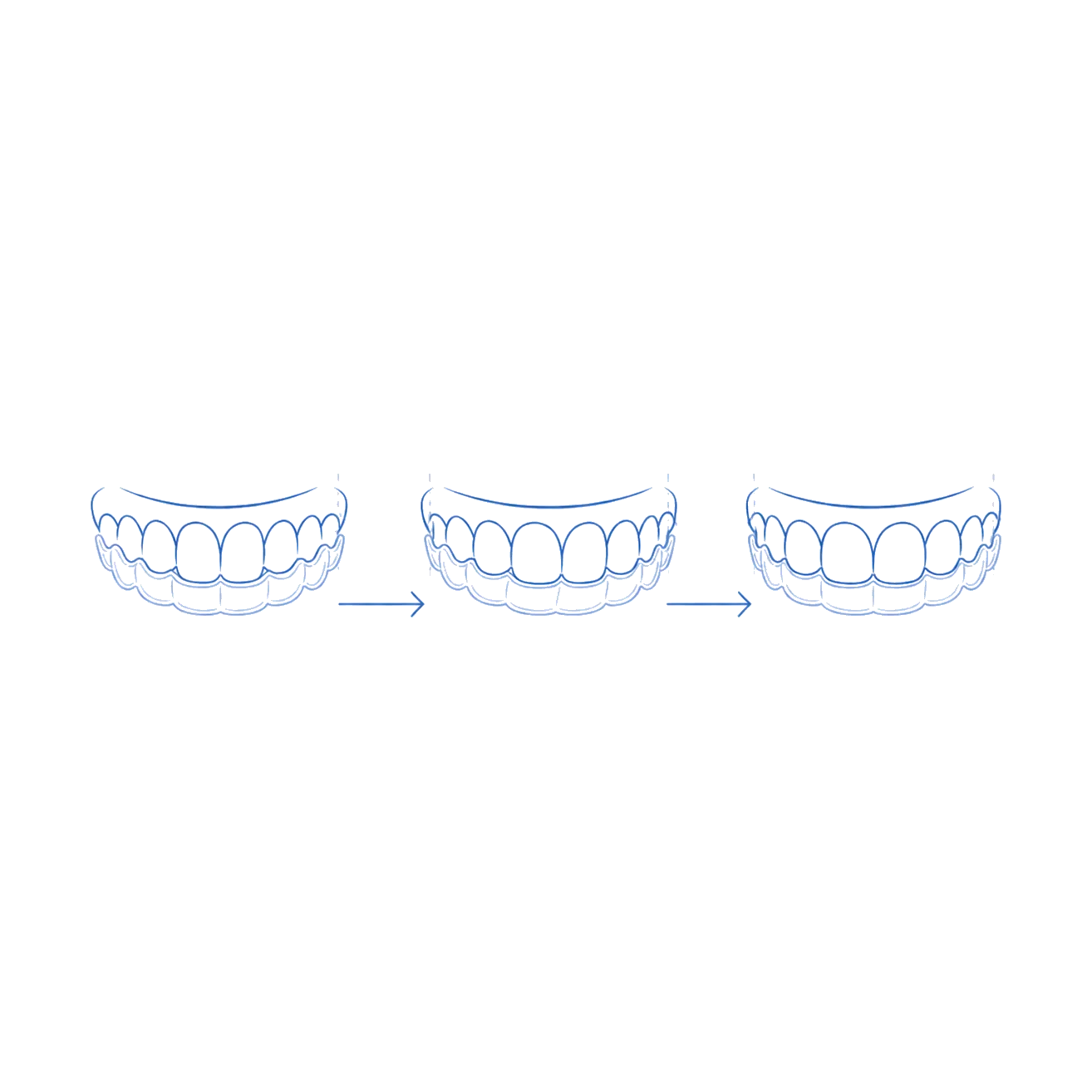
Comfortable transitions. Each new aligner moves teeth in small increments. Most patients feel only mild pressure for a day or two.

Designed for teens and adults. Invisalign Teen includes blue dot compliance indicators that track wear time. Adults use the standard system.
Are You an Ideal Candidate for Invisalign?
Invisalign works best for patients with mild to moderate orthodontic concerns, including:
Severe bite issues, complex tooth rotations, or cases requiring significant jaw repositioning may need traditional braces or surgical orthodontics. Active periodontal disease must be resolved by a periodontist before orthodontic treatment can begin. Untreated cavities should be handled by your general dentist first. During your consultation, Dr. Pinhasov reviews your X-rays and 3D scan to confirm Invisalign is the right approach, or recommend an alternative.
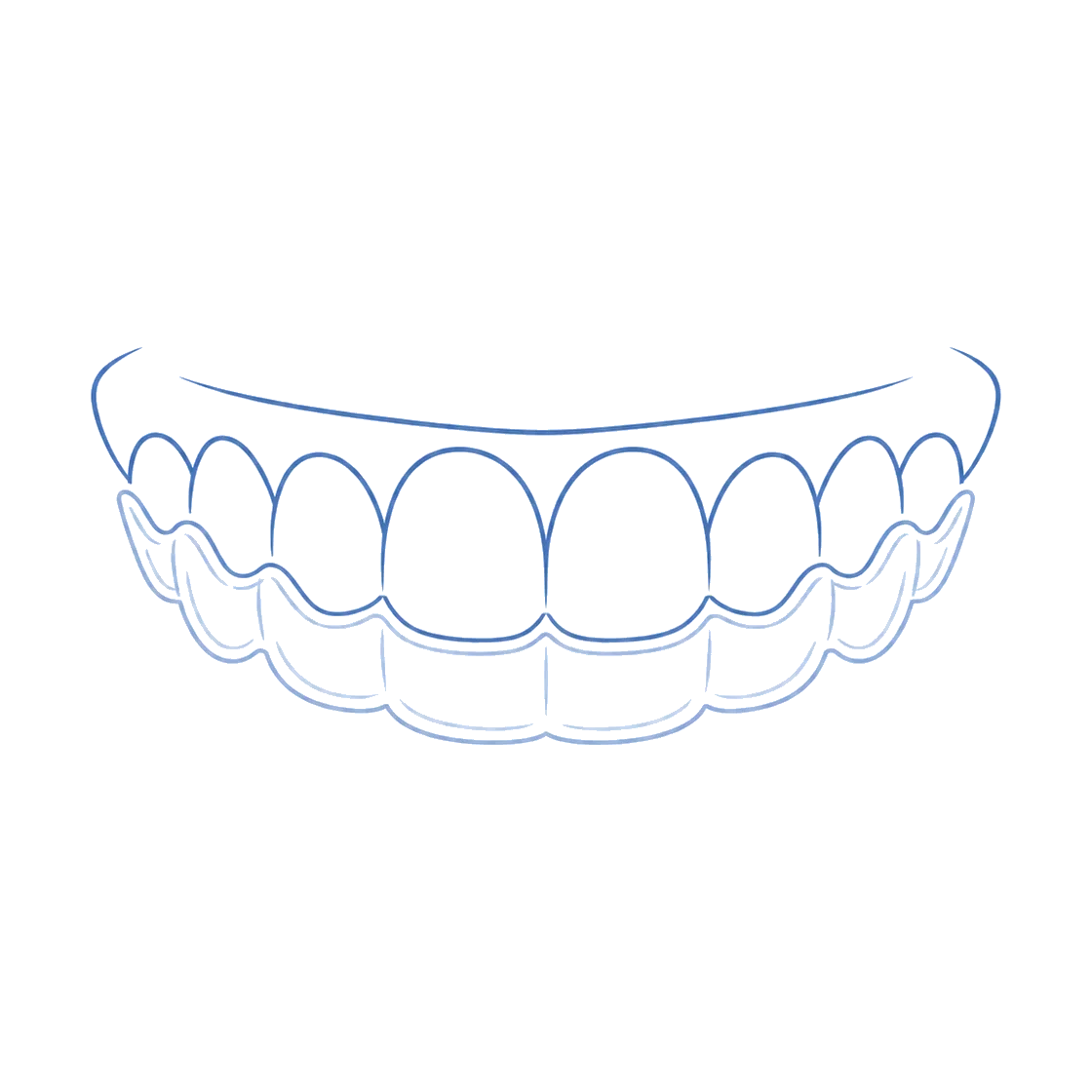
Crowded teeth
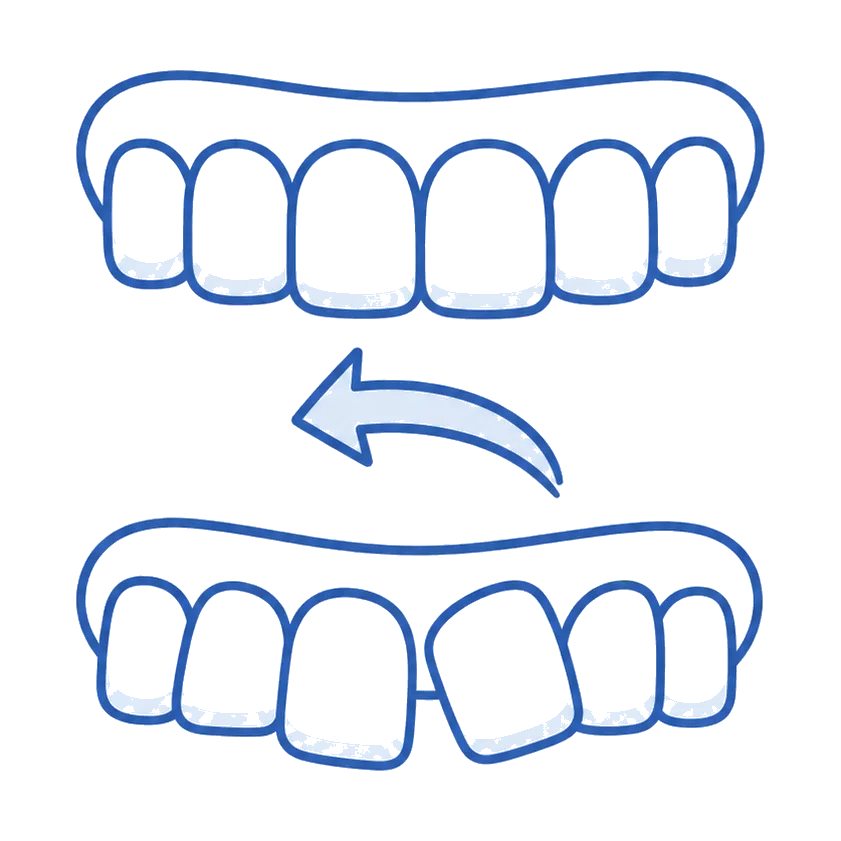
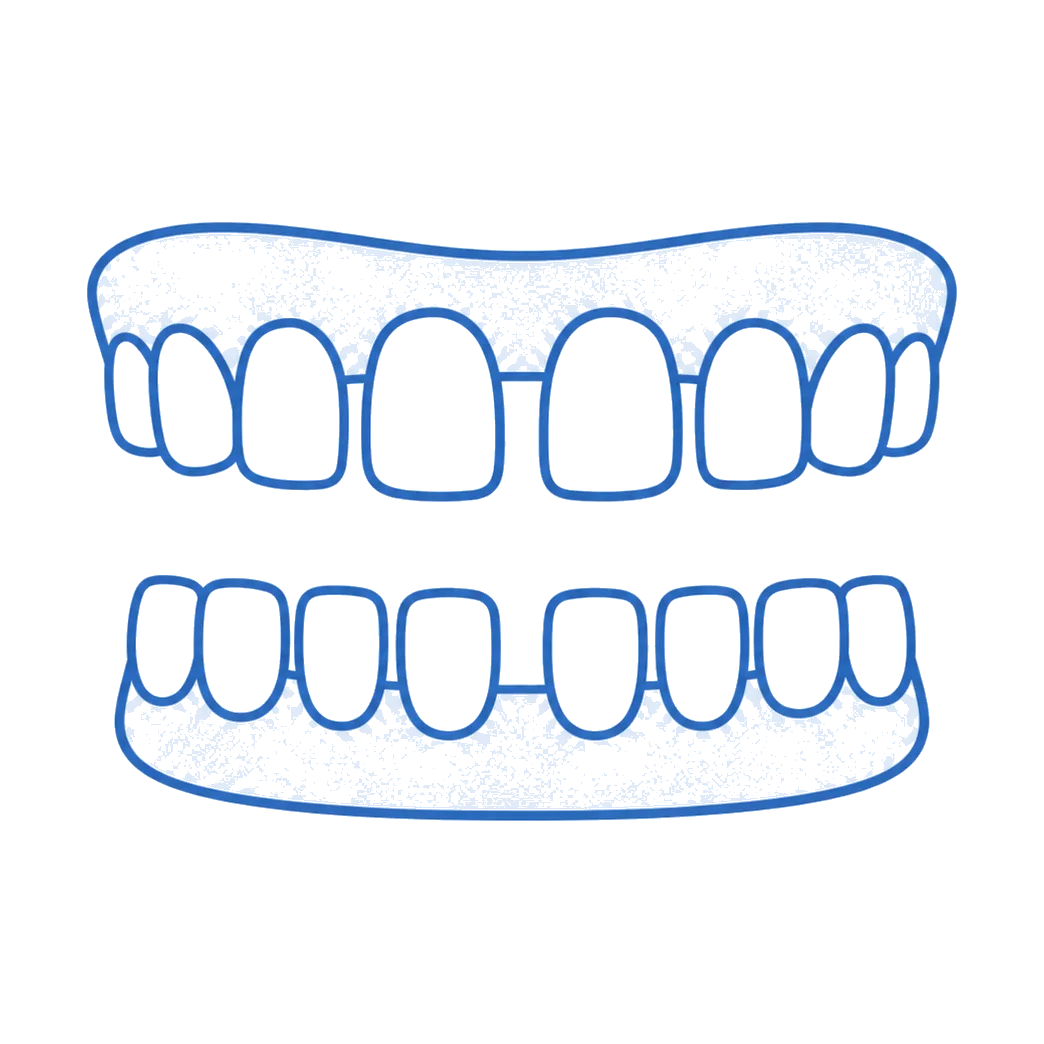
Spaces or gaps between teeth
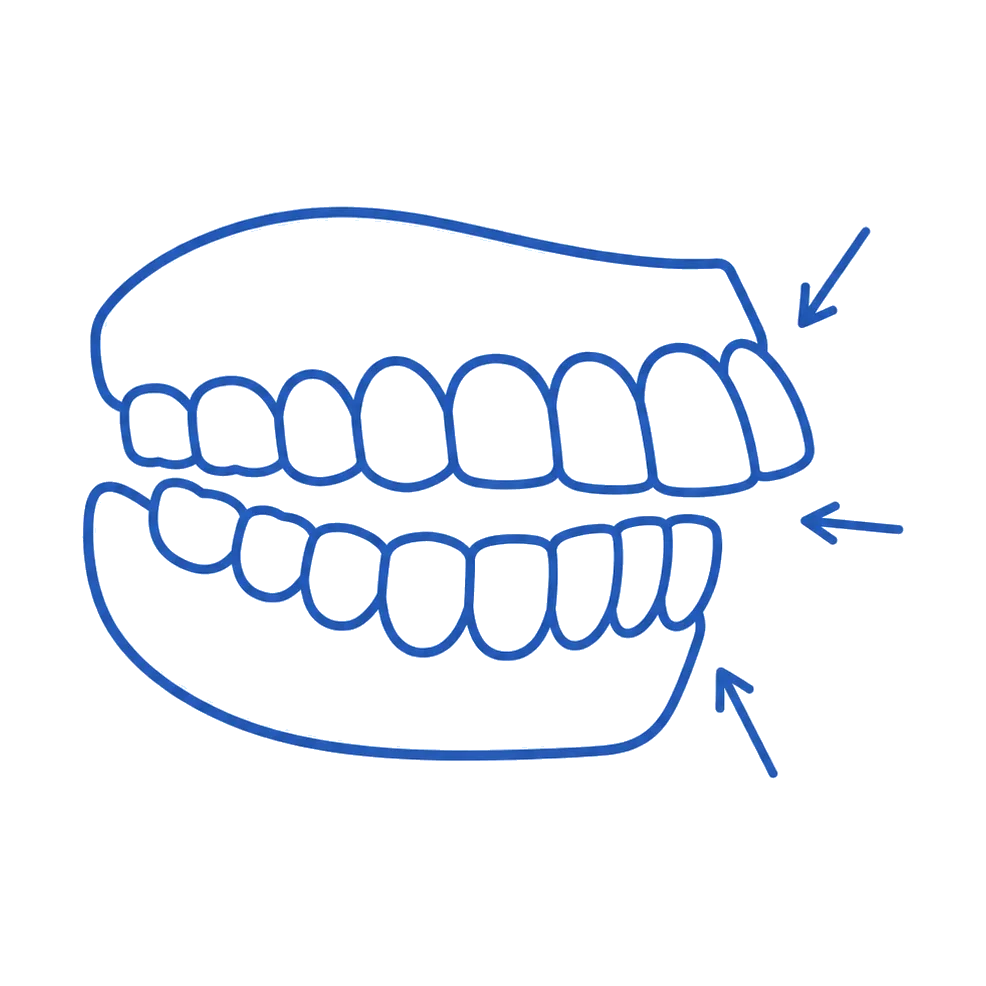
Mild to moderate overbite, underbite, and crossbite
Mild tooth rotation
Relapse after previous orthodontic treatment
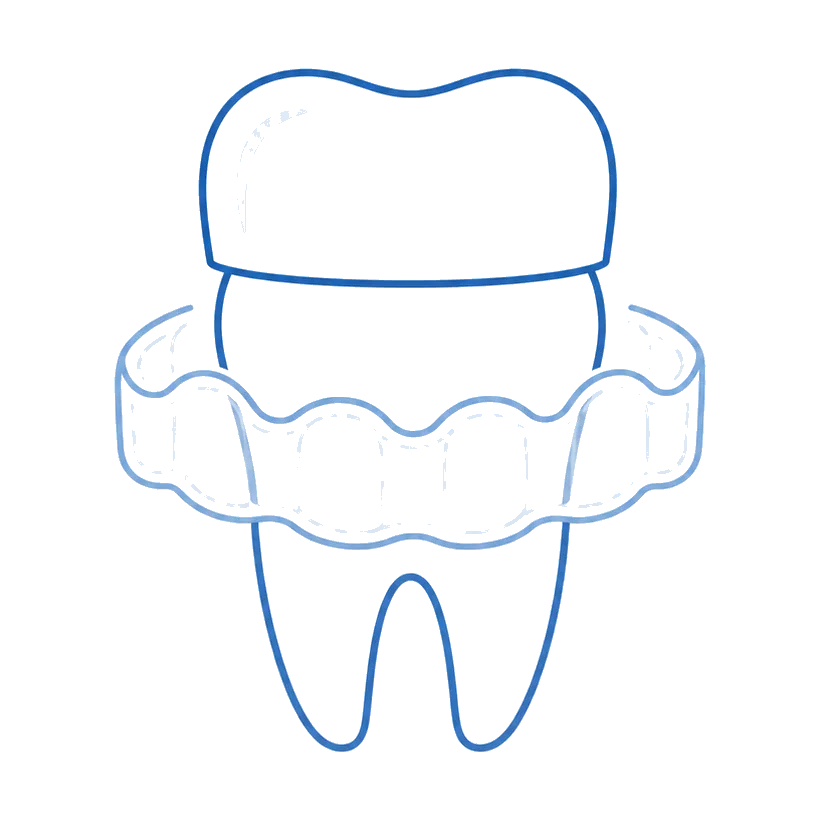
Patients with crowns or veneers, where aligners are often preferred over brackets
YOUR INVISALIGN ORTHODONTIST IN QUEENS,NY
Personal Consultation with Dr. Pinhasov
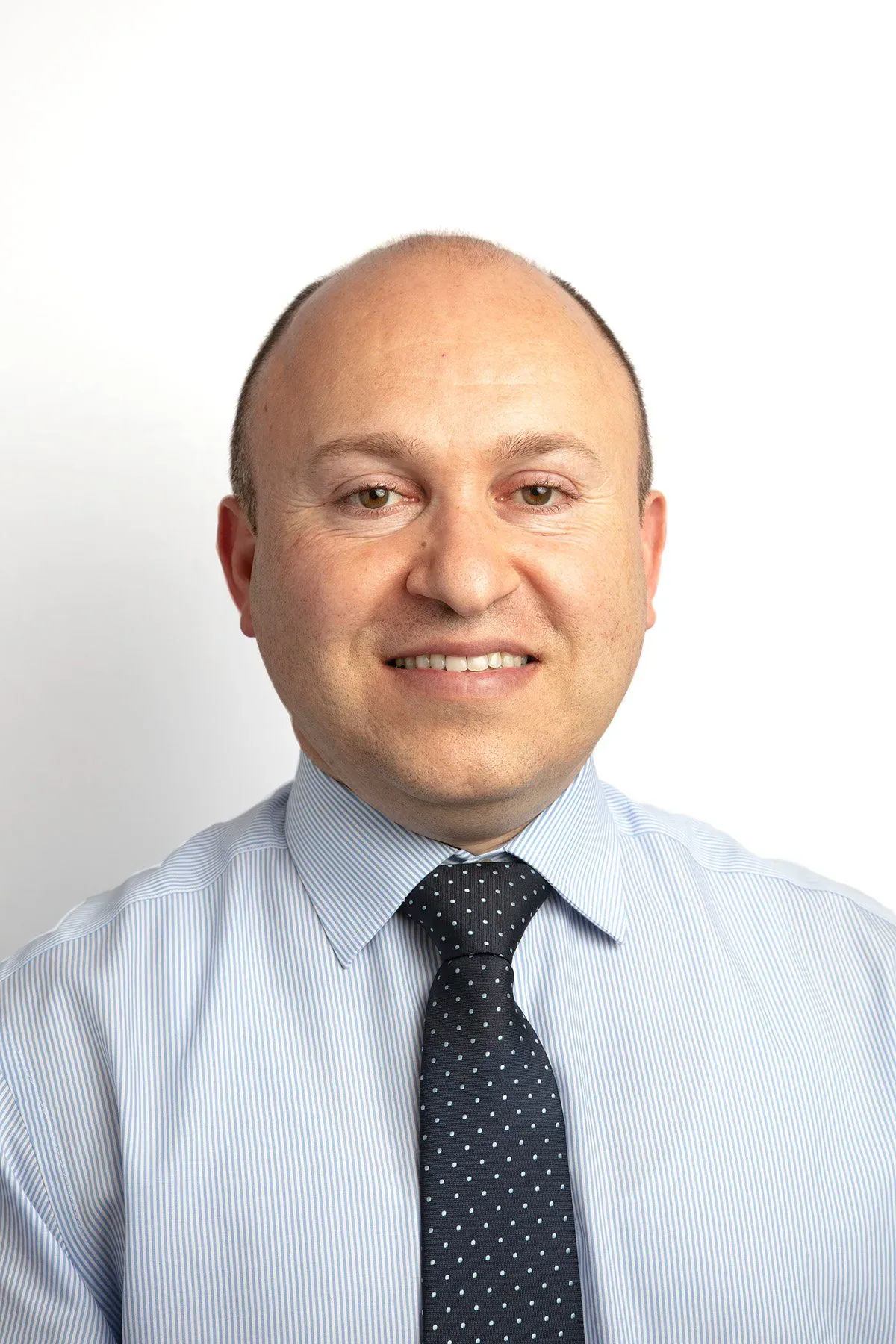
Dr. Boris Pinhasov, DDS, is board-certified by the American Board of Orthodontics. He completed dental training at NYU College of Dentistry and has practiced orthodontics in Queens for 15 years. Consultations are available in English, Russian, and Spanish.
An Invisalign consultation with Dr. Pinhasov covers:
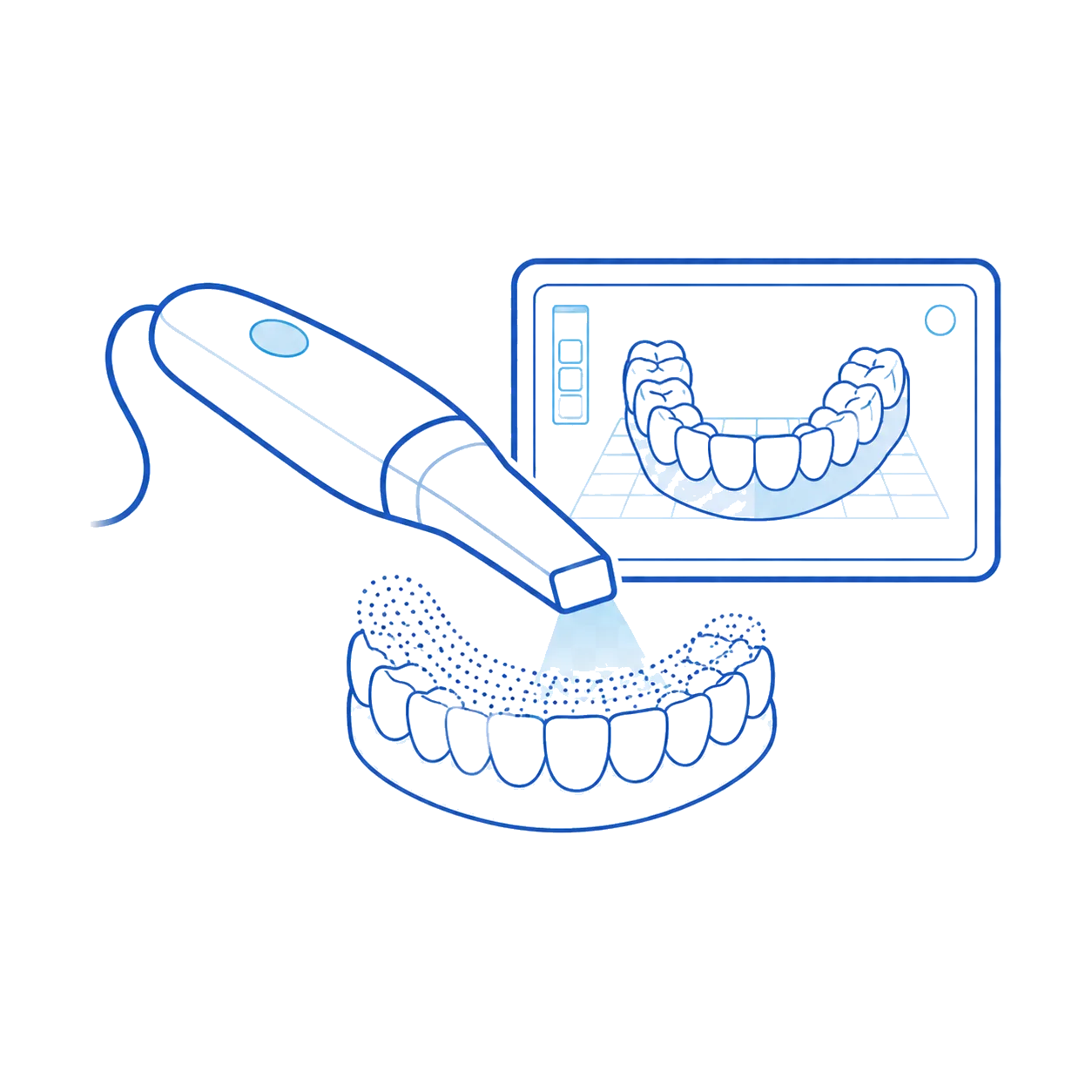
- A digital 3D scan of your teeth using our iTero Lumina scanner (no putty impressions)
- A ClinCheck 3D simulation showing your projected finished smile before treatment starts
- A panoramic X-ray review and full bite assessment
- Clear pricing, total case cost, and a timeline you can plan around
- Insurance verification, plus payment options walked through with you
- Time to ask every question, with no pressure to commit
Call (718) 290-9444 or book your consultation online.
Preparation for Invisalign & Expectations
Once you and Dr. Pinhasov approve your ClinCheck plan, here is what to expect in the weeks before your first aligner:

Two weeks before: Schedule a routine cleaning with your general dentist. Clean teeth take attachments better and stay healthier through treatment.
One week before: Plan how you will keep your aligners with you during the day. A small case for work or school is essential since aligners come out for every meal and snack.
Day of placement: Dr. Pinhasov bonds small tooth-colored attachments to specific teeth. These are what the aligners grip to move teeth in the planned direction. The visit takes about 45 minutes.
First 48 hours: Wear the first aligner the full 20 to 22 hours. Expect mild pressure as your teeth begin to shift; it usually settles within a day or two.
Bring: Insurance card, a list of any medications, and any prior dental X-rays not already in our records.
The Invisalign Procedure at BP Smiles
Treatment with Invisalign moves through three clear phases.
iTero Lumina scan and ClinCheck planning (about 60 minutes). Dr. Pinhasov captures a digital scan of your teeth using our iTero Lumina 3D scanner, then uploads it to Invisalign's ClinCheck software. He maps every tooth movement and reviews the simulation with you. After we scan your teeth, it typically takes about two weeks to receive the manufactured aligners and start treatment.
Aligner phase (typically 12 to 18 months for most cases, varies by case complexity). You receive your aligners in batches. Each aligner is worn for one to two weeks, 20 to 22 hours per day, then swapped for the next. Brief check-in visits happen every six to eight weeks to confirm progress.
Refinement and retention. Once you reach your final aligner, Dr. Pinhasov may add a short series of refinement aligners to fine-tune the result. After that, you are fitted for a retainer. Retainer wear is essential. Without it, teeth tend to drift back toward their original position.
Recovery and Aftercare
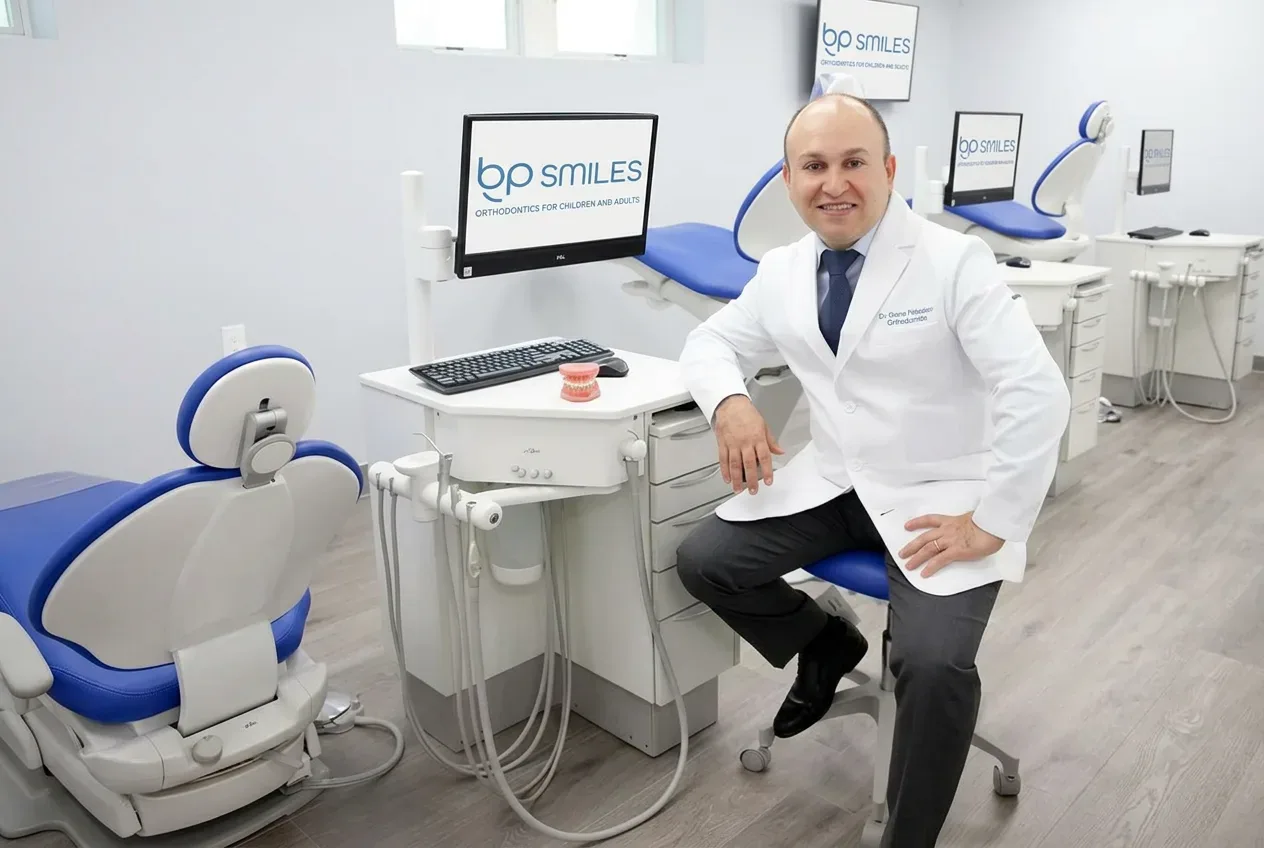
Invisalign does not have a recovery period in the traditional sense; you wear and live with your aligners from day one. The first day or two with a new tray usually involves the most adjustment.
Brief check-ins every six to eight weeks let Dr. Pinhasov confirm your teeth are tracking the ClinCheck plan.
Wear time. 20 to 22 hours per day. Aligners come out only for meals, snacks, and brushing.
Mild pressure is normal. Each new aligner applies gentle force to move teeth in the planned direction. Some patients notice tenderness or a brief headache as they adjust; this typically settles within one to two days.

Cleaning your aligners. Rinse aligners in cool water and brush gently with a soft toothbrush. Avoid hot water (it can warp the plastic).
Cleaning your case. A toothbrush and a small amount of toothpaste; brush, rinse, done.

Lost or damaged aligner. Put your previous tray back in and call our office at (718) 290-9444. Do not skip ahead to the next aligner without speaking with us first.

Oral hygiene matters. Brush after every meal before re-inserting aligners. Poor oral hygiene during treatment can increase the risk of cavities or gum problems.
Results and Maintenance
Most Invisalign cases at BP Smiles run 12 to 18 months from first aligner to final tray, though timing varies with case complexity. Some shifts are visible within the first few weeks; the full corrected position is achieved over the course of the planned series.
What to expect over the course of treatment:
A note on what Invisalign can do beyond straightening: when posterior expansion is part of the ClinCheck plan, Invisalign can widen both the upper and lower back-tooth arches, which results in a wider, fuller smile.
First few weeks. Subtle alignment changes; aligners begin feeling like part of your routine.
Mid-treatment. Crowding eases, gaps close, and bite improvements become visible. Dr. Pinhasov compares progress to the ClinCheck plan at each check-in.

Final aligner. Teeth reach their planned position. A short refinement series may follow to perfect the result.
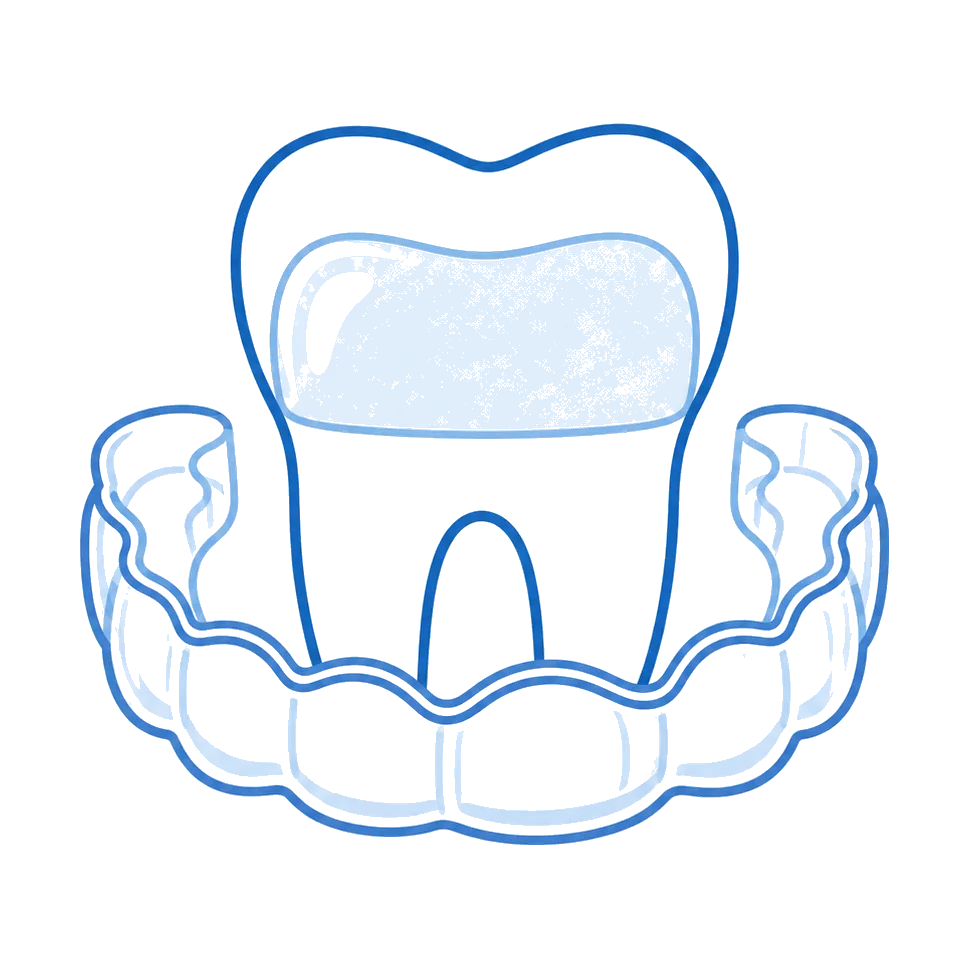
Retention. Once active treatment ends, you wear a retainer to hold the result. Retention is permanent in the sense that teeth always want to drift; consistent retainer wear is what protects the years you spent in treatment.
Corresponding & Complementary Procedures
Invisalign is one of several orthodontic options available at BP Smiles. Depending on your case, Dr. Pinhasov may discuss any of the following during your consultation:
If your case needs work that we do not perform in-office (for example, treatment of active periodontal disease, wisdom-tooth removal, or restorative work like fillings or crowns), Dr. Pinhasov coordinates the referral and timing so it does not disrupt your orthodontic plan.
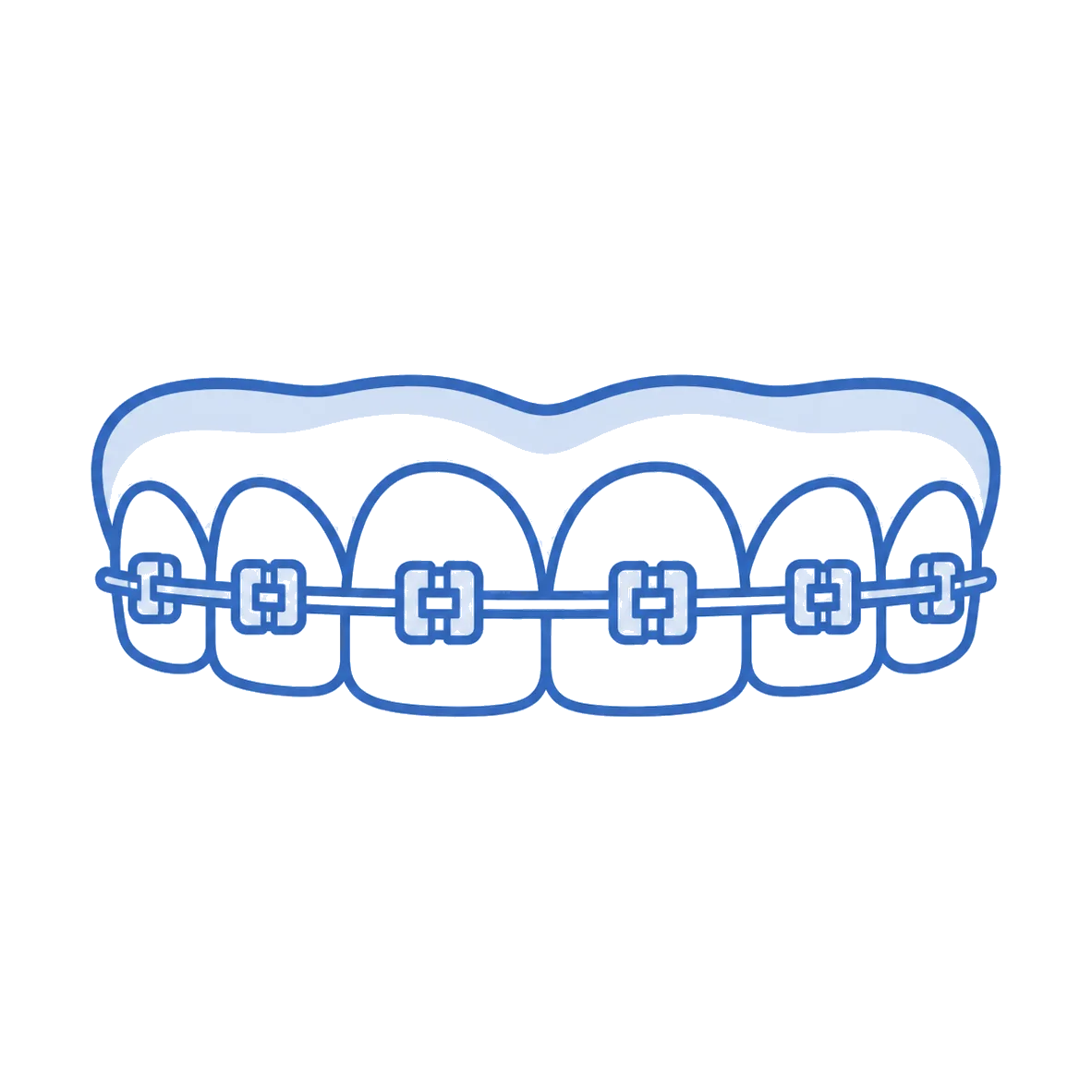
Traditional braces for moderate-to-severe alignment cases or patients who prefer the bracket-and-wire system.
Orthodontics for teens covers Invisalign Teen, traditional braces, and timing considerations specific to growing patients.
Orthodontics for children including the first orthodontic evaluation, recommended around age seven.
Adult orthodontics covers Invisalign and adult-specific treatment timelines, retention, and aesthetic options.
Brava by BRIUS is a behind-the-teeth alternative to Invisalign for patients who want fully invisible treatment without removing aligners for meals.
Our orthodontic technology explains the iTero Lumina scanner and the digital workflow that supports every Invisalign case.
Cost of Invisalign in Queens, NY
Invisalign cost at our Queens office varies by case complexity, treatment length, and the number of aligners required. Comprehensive Invisalign cases are comparable to comprehensive braces, with the exact number depending on your case. After your iTero scan and ClinCheck planning, Dr. Pinhasov will quote your exact case cost up front.
Financing: Payment options are discussed at consultation and tailored to each patient's needs.
Insurance: Many dental plans include orthodontic benefits that cover part of Invisalign treatment. We work with most plans that have orthodontic coverage and verify your benefits before your appointment so there are no surprises. Call (718) 290-9444 with your insurance information and we can check your coverage in advance.
Why BP Smiles
Why Choose BP Smiles Orthodontics for Invisalign
A board-certified orthodontist plans it, not a kit or a general dentist
Aligners only work if the plan behind them is right. Dr. Pinhasov is a board-certified orthodontist who trained at NYU and a hospital orthodontic residency, and he designs and checks every stage of your treatment himself. That is the difference between teeth that move correctly and a result that drifts back.
“I've been coming to see Dr. Boris for over 2 years... this year he finished my invisalign treatment with super perfect result. He is both extremely professional and very caring. He answered all my questions with great patience and detailed information.”
Wendy W
One honest plan and price, no buy-more-aligners surprises
At your free consultation you get the full plan and your real cost upfront. If your case needs refinement aligners along the way, that is built into the plan, not sprung on you as a surprise bill. We accept most plans with orthodontic benefits and set up payment options to fit your budget.
The same orthodontist from your first scan to your last retainer
You are not passed between rotating doctors. Dr. Pinhasov sees you at every check-in and is the one who finishes your case, so nothing gets lost halfway through.
“My son just finished his Invisalign treatment at BP Smiles, and I couldn't be happier with how it went. Dr. Pinhasov explained everything clearly and even showed us a 3D preview of how his teeth would look, which got my son excited to stick with it. The staff was patient with all our questions, and the check-ins kept him on track.”
Meredith W. Webb
Results built to last, with retainers and follow-up
Straightening your teeth is only finished when the result holds. After your last aligner we fit you for retainers and keep checking your bite, so the smile you worked for stays put.
“Dr. Pinhasov is very patient and did a great job with my wisdom teeth extraction, Invisalign treatment and veneers. He always works hard to achieve the best outcomes and I have been extremely satisfied with my results.”
Johannes Preis
Built around a Queens schedule
Evening and Sunday appointments, free and easy parking, and a short wait, so treatment fits around work and school. We consult in English, Russian, and Spanish.
“I had the best experience doing Invisalign with Dr. Boris Pinhasov and his wonderful team! They are extremely accommodating and flexible and made it super easy to communicate. Would highly recommend to anyone looking to straighten their teeth, I could not have asked for a more kind and supportive team to do this journey with!”
Samina Chowdhury
Board-certified orthodontic care in Queens.
BP Smiles Orthodontics, your orthodontist in Queens, NY.
FAQ
Frequently Asked Questions
After we scan your teeth using our iTero Lumina scanner, it typically takes about two weeks to receive your custom Invisalign trays and start treatment.
Yes. Invisalign is widely used for both teens and adults. The Invisalign Teen system includes blue dot compliance indicators that track wear time, and adults use the standard system.
Yes. Invisalign is a great alternative to traditional braces and does a great job with crowding and spacing.
On average, Dr. Pinhasov recommends switching trays every two weeks, but this can vary depending on your treatment plan. Some cases use a 7-day cadence; the ClinCheck plan and your check-in visits determine what is right for you.
No. Aligners come out for every meal and snack, so there are no off-limits foods. Brush and re-insert the aligners after eating to keep your teeth and aligners clean.
Put your previous tray back in and contact our office at (718) 290-9444. Do not skip ahead to the next aligner without speaking with us first.
They last when the case is finished properly and you wear your retainers. Dr. Pinhasov plans your treatment to a stable bite, not just straight-looking teeth, then fits you for retainers and keeps checking your result at follow-ups so it holds.
Cost depends on how much tooth movement your case needs, which is why the consultation is free. You leave knowing the real number for your situation, with payment options to fit your budget, and we accept most plans with orthodontic benefits.
Disclaimer: This information is provided for educational purposes and is not a substitute for professional dental or medical advice. Please schedule a consultation with our team to discuss your individual needs.