Orthodontic Services
Adult Orthodontics in Queens, NY: Braces and Invisalign for Adults
It is not too late, and it does not have to show. Discreet options that fit a working adult's life, planned around your schedule and any crowns or implants you already have. Start with a free consultation in Queens.
“It’s has been a wonderful experience for both myself and my son. The attention to details is unmatched and I love how accommodating they are. Excellent service and professionalism.”


ABO Diplomate

Languages
English · Русский · Español

Free Consultations

Board-Certified Orthodontist
Common questions
Quick answers before your adult consultation

Concern Match
Is Adult Orthodontics Right for You?
Five questions Dr. Pinhasov hears most from adult patients.

Self-conscious about visible braces at work or socially?
Invisalign is the most common pick for adults who want discreet treatment. The clear aligners are removable for meals and photographs. Lingual braces, which sit behind the teeth, are a second option. See Invisalign.
Do you have crowns or veneers and worry brackets will not bond?
They will. Dr. Pinhasov uses special materials that cement brackets onto crowns and veneers. Invisalign is usually the preferred option for patients with multiple crowns or veneers since it does not bond directly to the teeth. Meet Dr. Boris Pinhasov.
Have a dental implant and want to fix the teeth around it?
Possible. Implants themselves cannot be moved, but Dr. Pinhasov can adjust the neighboring teeth and improve the bite around the implant. Treatment is planned around the fixed restoration.

Have a history of gum disease or active periodontal issues?
Active periodontal disease must be resolved by a periodontist or general dentist before orthodontic treatment can begin. Once the disease is no longer active, Dr. Pinhasov can start treatment. Good oral hygiene during treatment is critical to avoid recurrence.

Have TMJ pain or jaw clicking you want addressed first?
Generally we resolve TMJ problems before starting orthodontic treatment. Dr. Pinhasov refers patients with active TMJ symptoms to a TMJ specialist for evaluation. Braces may help with TMJ, but there is no guarantee. Schedule a consultation.
Adult Orthodontist in Queens, NY
Adult orthodontics is not teen treatment scaled up. Adults bring periodontal history, prior dental work, missing teeth, and TMJ concerns that change how a case has to be planned. Dr. Boris Pinhasov treats adults at every level of complexity, from a clear-aligner case for a professional who needs to look unchanged at work, to a full bite reconstruction coordinated with restorative dentistry.
What sets the practice apart for adult patients:
- 15 years of orthodontic experience under an ABO Diplomate (American Board of Orthodontics)
 NYU College of Dentistry DDS with Omicron Kappa Upsilon honors, plus FAGD and ICOI Fellowship for restorative coordination
- Brava lingual braces (one of the few practices in the area offering this fully-custom invisible system)
 Consultations available in English, Russian, and Spanish
Meet Dr. Pinhasov or request your complimentary adult consultation.
About Adult Orthodontics
One in four orthodontic patients today is an adult [1]. Treatment that was once seen as a teen rite of passage is now routine for professionals, parents, and grandparents who want straighter teeth, a more functional bite, or both.
Adult orthodontics corrects misaligned teeth, improper bites, crowding, spacing, and jaw discrepancies in patients who are no longer growing. The biological process of tooth movement does not stop at any age. Bone remodels around teeth when controlled forces are applied, whether the patient is 18 or 60. What does change for adults is the planning around the case:
- Coordination with restorative dentistry for teeth that have crowns, bridges, or veneers
- Periodontal evaluation before treatment begins (gum health is non-negotiable)
- Modified force levels to protect bone that may have thinned with age
- Consideration of TMJ history and existing jaw joint symptoms
- Sequencing with other treatment, like implants, that may need to happen before, during, or after orthodontics
Benefits of Adult Orthodontics
The reason adults choose to get treatment now, rather than wait or skip it entirely:
- A bite that works. Misalignment causes uneven wear, chipping, and chronic jaw discomfort. Correcting it protects the teeth you have for the next 30 to 50 years.
- Easier hygiene. Straight teeth are easier to brush and floss, which lowers cavity and gum-disease risk over time.
- Periodontal protection. Crowded or rotated teeth trap plaque and accelerate gum recession. Aligning them gives the gums a fighting chance.
- A smile you do not avoid. Most adult patients describe a real shift in confidence, in interviews, on dates, in photos with family.
- Modern options that fit your life. Clear aligners, ceramic brackets, and lingual braces mean you do not have to wear visible metal to get the result.
- Treatment that finishes faster than you think. Mild adult cases finish in 6 to 12 months. Even complex cases typically wrap inside two years.
Ideal Candidates for Adult Orthodontics
Most adults who want straighter teeth or a better bite are candidates. Dr. Pinhasov sees the strongest results in patients who fit one or more of these:
- Mild to severe crowding that has gradually worsened since the teen years
- Spacing or gaps between teeth that affect appearance or trap food
- Bite issues: overbite, underbite, crossbite, or open bite that causes wear or jaw discomfort
- Relapse from earlier orthodontic treatment because retainers were not worn long-term
- Teeth that have shifted around missing teeth or after extractions
- Pre-restorative orthodontics to position teeth before crowns, bridges, veneers, or implants
- Adults with TMJ symptoms linked to bite imbalance (treated in coordination with their dentist or oral surgeon)
The two factors that determine whether adult treatment is appropriate are not age: they are gum health and bone support. Patients with untreated periodontal disease need that resolved before orthodontics begins. Patients with significant bone loss may still be treatable but require a modified force protocol. Both are evaluated at your complimentary consultation.
Preparing for Adult Orthodontic Treatment
Adult treatment requires more pre-work than teen treatment because adults bring more dental history. Here is what to expect in the weeks leading up to your start date:
- Dental cleaning and exam. Your general dentist (or our office, if needed) confirms there are no active cavities or untreated gum issues. Active periodontal disease is treated first.
- Coordination with other providers. If you have crowns, bridges, implants, or planned restorative work, Dr. Pinhasov coordinates the sequencing with your dentist or specialist. Sometimes orthodontics happens first, sometimes second, sometimes alongside.
- Records appointment. Digital scans or impressions, panoramic X-ray, and clinical photos are taken to finalize the treatment plan.
- Treatment plan review. Dr. Pinhasov walks you through the plan in detail, including the appliance, the timeline, the cost, and what your daily routine will look like. Questions are encouraged.
- Hygiene instruction specific to your appliance. Cleaning around brackets and wires is different from cleaning aligners. We make sure you leave knowing exactly what to do.
- Day-of-start visit. The first appliance is bonded or the first set of aligners is delivered. The visit takes 60 to 90 minutes depending on the appliance.
Treatment Options for Adults
Adult orthodontics is no longer one-size-fits-all. Dr. Pinhasov uses the option that fits both your case and your life.
Invisalign Clear Aligners. A series of custom-made, removable clear trays that gradually shift teeth into position. Nearly invisible when worn, removable for eating and brushing. Per Dr. Pinhasov, this is the most popular adult option: patients can wear it to work and to social events without anyone knowing. Best fit: mild to moderate crowding, spacing, mild bite issues, and patients who can commit to wearing trays 20 to 22 hours a day.
Ceramic Braces. Tooth-colored brackets bonded to the front of teeth, paired with tooth-colored or clear wires. Function exactly like metal braces but blend with the teeth so they are far less visible. Best fit: cases that need the precise control of fixed appliances but where appearance still matters.
Brava Lingual Braces by BRIUS. Custom-engineered brackets bonded to the back (tongue side) of the teeth. Completely invisible from the outside. No removable component, so compliance is not a concern. Per Dr. Pinhasov, the practice is one of the few in the area offering Brava, it is a strong fit for executives, performers, public-facing professionals, and patients in roles where they cannot have any visible appliance.
Metal Braces. Still the most efficient option for the most complex cases, and still chosen by some adults specifically because they want the fastest, most predictable result. Modern brackets are smaller and more comfortable than older designs.
Dr. Pinhasov reviews all four options with you at your consultation and recommends the one that produces the best result for your specific case.
What to Expect During Treatment
Once your treatment plan is finalized and the first appliance is in place, here is the rhythm:
- Adjustment or aligner-tray visits every 4 to 8 weeks. Most appointments take 15 to 30 minutes. Aligner patients get the next 2 to 3 sets at each visit. Braces patients get wire changes and adjustments.
- At-home care that fits your appliance. Aligners come out for meals and stay in for everything else. Braces stay on, but you adjust how you eat (no popcorn, no hard candy, careful with sticky foods).
- Mid-treatment check-ins. Around the halfway point, Dr. Pinhasov reviews progress and confirms the case is tracking on plan. Refinements can be added if needed.
- Same-day attention if something breaks or hurts. A loose wire, a popped bracket, or an aligner-related concern usually resolves with a quick visit. Do not tough it out, call the office.
- De-bonding or final-aligner visit. Brackets are removed (or the last aligner is delivered), and a final scan is taken for retainers.
- Retainers. Adult teeth have a strong memory for their original positions, more so than teen teeth. Retainer wear is non-negotiable for adults: typically full-time for the first months, then nightly long-term. The office will fit you for clear retainers, fixed retainers, or both depending on your case.
Results and Long-Term Maintenance
Adult orthodontic results last as long as the retention plan does. Patients who wear their retainers as instructed keep their results indefinitely. Patients who stop wearing retainers see relapse begin within months.
What adult patients can expect at the end of treatment:
- Aligned teeth and a corrected bite. The functional and aesthetic result Dr. Pinhasov outlined at the start, delivered.
- Easier daily hygiene. Brushing and flossing get noticeably easier when teeth are no longer crowded or rotated.
- A bite that distributes force evenly. Less wear on individual teeth, less jaw fatigue, fewer headaches in patients whose pre-treatment bite was a contributor.
- A retention protocol you can actually follow. Most patients use a combination of clear retainers (worn at night) and a fixed wire bonded behind the lower front teeth (worn 24/7, no maintenance needed).
- Long-term follow-up. Periodic check-ins make sure retainers are doing their job and the result is holding.
The patients who keep their result for life are the ones who treat retention as part of their normal routine: like a nightly skincare step or wearing a seatbelt. It becomes automatic.
Corresponding & Complementary Services
Adult orthodontic care often connects to other treatment Dr. Pinhasov or your general dentist provides. Common pairings:
- Invisalign: the most popular standalone adult option, also covered in detail on its own page
- Braces (ceramic, metal, self-ligating): full braces options including the ceramic and metal options described here
- Brava Lingual Braces: fully-invisible, fully-custom lingual system from BRIUS
- Initial Consultation: what to expect at your first visit
- Pre-restorative orthodontics: positioning teeth before your dentist places crowns, bridges, veneers, or implants
- TMJ-coordinated care: orthodontic treatment planned alongside TMJ evaluation when bite imbalance is a contributor
- Periodontal coordination: orthodontic treatment sequenced with your periodontist's care plan when gum health needs attention first
Cost of Adult Orthodontics in Queens, NY
Adult orthodontic cost depends on the appliance and the complexity of the case. Dr. Pinhasov gives every adult patient a complete cost breakdown at the consultation, no obligation, no surprise fees.
General cost guide:
- Comprehensive braces (ceramic, metal, or self-ligating): set at your free consultation, depending on case complexity and treatment length.
- Invisalign: Pricing varies by case complexity and number of trays required. The consultation gives you a precise number for your specific case.
- Brava Lingual Braces by BRIUS: Premium pricing reflective of the fully-custom appliance and the specialized expertise required. The consultation gives you the case-specific number.
What is included:
- All adjustment visits during active treatment
- Records (scans, X-rays, photos) at the start
- Mid-treatment refinements within the original plan
- Initial set of retainers at the end
Insurance and payment:
- Many dental insurance plans include adult orthodontic benefits. The office verifies your coverage before you commit to treatment.
- HSA and FSA funds are accepted.
Pricing is a conversation, not a sticker shock. Bring your insurance card to the consultation and you will leave with a complete picture of what your case will cost out-of-pocket.
YOUR INVISALIGN ORTHODONTIST IN QUEENS,NY
Personal Consultation with Dr. Pinhasov
Your adult consultation is complimentary. There is no cost and no obligation to start treatment. The visit gives you a clear answer to the question most adults have been carrying for years: Is this still possible for me, and if so, what would it actually look like?
Here is what happens at the consultation:
- A focused conversation about what is bothering you and what you want to change
- A clinical exam of your teeth, gums, and bite
- Digital scans or X-rays only if Dr. Pinhasov determines they are needed (no upfront imaging fee)
- A direct, honest answer on whether treatment is appropriate for your case
- If yes, a recommended approach (clear aligners, ceramic, lingual, or metal braces) with a treatment-time estimate
- A cost discussion, including what your dental insurance is likely to cover and what payment plans are available
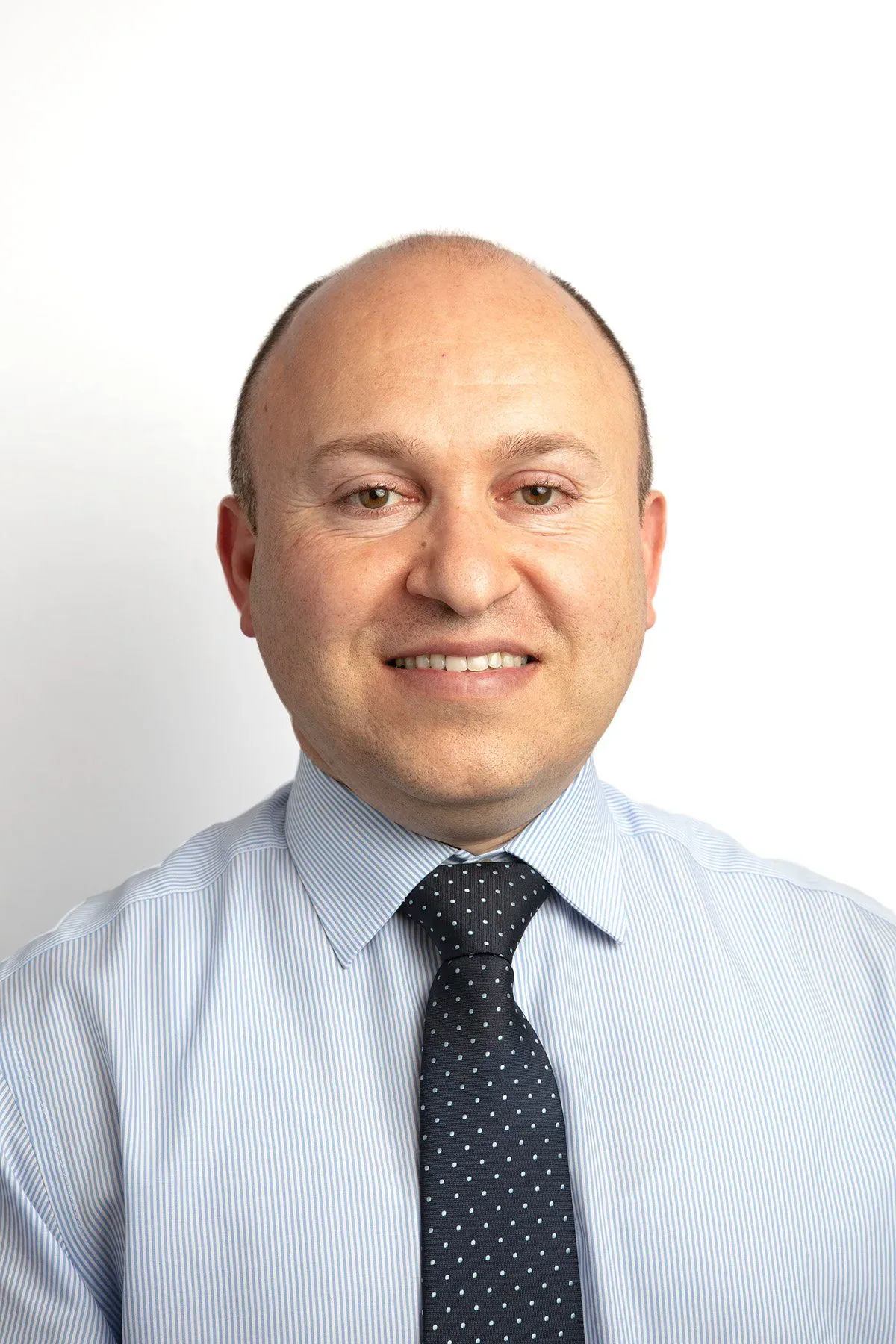
About Dr. Pinhasov. Board-certified orthodontist (ABO Diplomate). 15 years in practice. NYU College of Dentistry DDS with Omicron Kappa Upsilon honors. FAGD and ICOI Fellowship. Consultations available in English, Russian, and Spanish.
Request your complimentary adult consultation or call (718) 290-9444.
Why BP Smiles
Why Adults Choose BP Smiles
Your existing dental work is not a dealbreaker
Crowns, veneers, bridges, or implants do not rule you out. Dr. Pinhasov plans around the dental work you already have and uses materials that bond to it, so adult treatment fits the mouth you actually have.
“Dr. Boris is a great dentist! Gentle cleaning and warns me before pain. I've also had my fillings replaced as well as 2 veneers. It's been several months and it feels so natural. Highly recommended!”
Tony Jin
Discreet options, so no one at work has to know
Clear Invisalign aligners, tooth-colored ceramic braces, or Brava braces hidden behind your teeth. You straighten your smile without a mouth full of metal in every meeting and photo.
“I've been coming to see Dr. Boris for over 2 years... this year he finished my invisalign treatment with super perfect result. He is both extremely professional and very caring. He answered all my questions with great patience and detailed information.”
Wendy W
Built around a working schedule, and finished efficiently
Dr. Pinhasov plans treatment to keep office visits to a minimum, with evening and Sunday appointments, free parking, and short waits. Your treatment moves at a real pace, not stretched out.
“I love Dr. Pinhasov! The practice is very professional and efficient. Everyone there is nice and very helpful when questions arise.”
Liz Bershad
One honest price upfront, not dragged out to bill you more
At your free consultation you get a clear plan and your real price, with payment options to fit your budget. The plan is set at the start, not stretched into extra visits and extra charges along the way.
“Great professional whom you can trust. Dr Boris always happy to explain all the details and procedures with great detail so the process is much transparent. Office updated recently. Staff is friendly. Wait time is almost absent.”
Oleg
The same orthodontist plans and finishes your case
You see Dr. Pinhasov at every visit. He corrects how your teeth bite together, not just how they look, which is what relieves wear, jaw strain, and the relapse many adults see after old teenage treatment.
“Dr. Pinhasov is very patient and did a great job with my wisdom teeth extraction, Invisalign treatment and veneers. He always works hard to achieve the best outcomes and I have been extremely satisfied with my results.”
Johannes Preis
Board-certified orthodontic care in Queens.
BP Smiles Orthodontics, your orthodontist in Queens, NY.
FAQ
Frequently Asked Questions
No. Healthy teeth can be moved at any age. Dr. Pinhasov has successfully treated patients in their 50s, 60s, and beyond. The factor that matters is not age, it is the health of your teeth and gums. A complimentary consultation determines whether you are a candidate and which approach is best.
Most adult cases take 12 to 24 months. Mild crowding or spacing may resolve in 6 to 12 months. More complex bite corrections can take up to 30 months. Dr. Pinhasov provides a case-specific estimate at your initial consultation so you can plan accordingly.
Neither is universally better. Invisalign works well for mild to moderate crowding, spacing, and certain bite issues. Braces (whether ceramic, lingual, or metal) offer more precise control for complex movements. Dr. Pinhasov recommends the option that produces the best result for your specific case, not the one that is most popular.
Many dental insurance plans include orthodontic benefits that apply to adults, typically covering a portion of treatment costs. Coverage varies by plan. Our office verifies your benefits before you commit to treatment so there are no surprises.
Any new appliance in your mouth can cause a brief adjustment period. With Invisalign, some patients notice a mild lisp for a day or two. Lingual braces like Brava may affect tongue placement initially. Most patients adapt within one to two weeks and speak normally.
No. Teeth can be moved at any age as long as your gums and bone are healthy, and a large share of orthodontic patients today are adults. Dr. Pinhasov checks your gum and bone health at the free consultation and tells you honestly whether treatment is a good move for you.
Usually, yes. Implants do not move, so they are planned around, and Dr. Pinhasov uses materials that bond to crowns and veneers. He maps this out before treatment starts so there are no surprises.
Most adults choose clear Invisalign aligners or tooth-colored ceramic braces. For a completely hidden option, Brava braces sit behind your teeth where no one can see them.
It depends on your case, and Dr. Pinhasov gives you a real timeline at the consultation. He plans efficient treatment with fewer visits where possible, rather than stretching it out.
Disclaimer: This information is provided for educational purposes and is not a substitute for professional dental or medical advice. Please schedule a consultation with our team to discuss your individual needs.