
Orthodontic Services
Orthodontics for Teens in Queens, NY
Dr. Boris Pinhasov, Board-Certified Orthodontist in Queens, helps teens smile with confidence - offering clear braces and Invisalign for growing smiles.
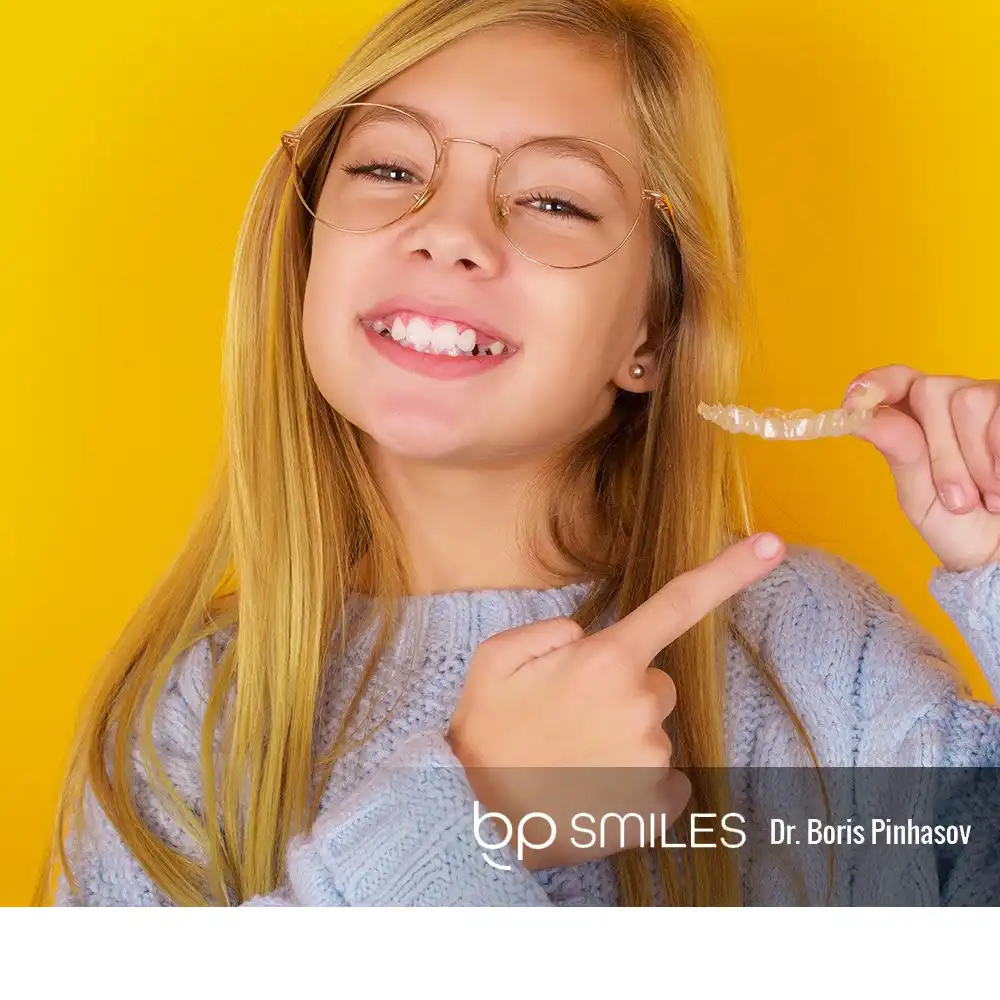

ABO Diplomate

Languages
English · Русский · Español

Free Consultations

Board-Certified Orthodontist
The teenage years are the most effective time for orthodontic treatment. Most permanent teeth have erupted, the jaw is still growing, and teeth respond quickly to orthodontic forces. At BP Smiles Orthodontics, Dr. Boris Pinhasov has straightened thousands of teen smiles over 15 years in practice. He understands that teens care about how they look, how treatment fits into their schedule, and how quickly they can get their braces off. Parents care about results, cost, and making sure their teen follows through. Dr. Pinhasov addresses all of it.
Why the Teen Years Matter
Between ages 11 and 15, most adolescents have all or nearly all of their permanent teeth. The jaw bones are still responsive to guided growth. This combination creates an ideal treatment window where:
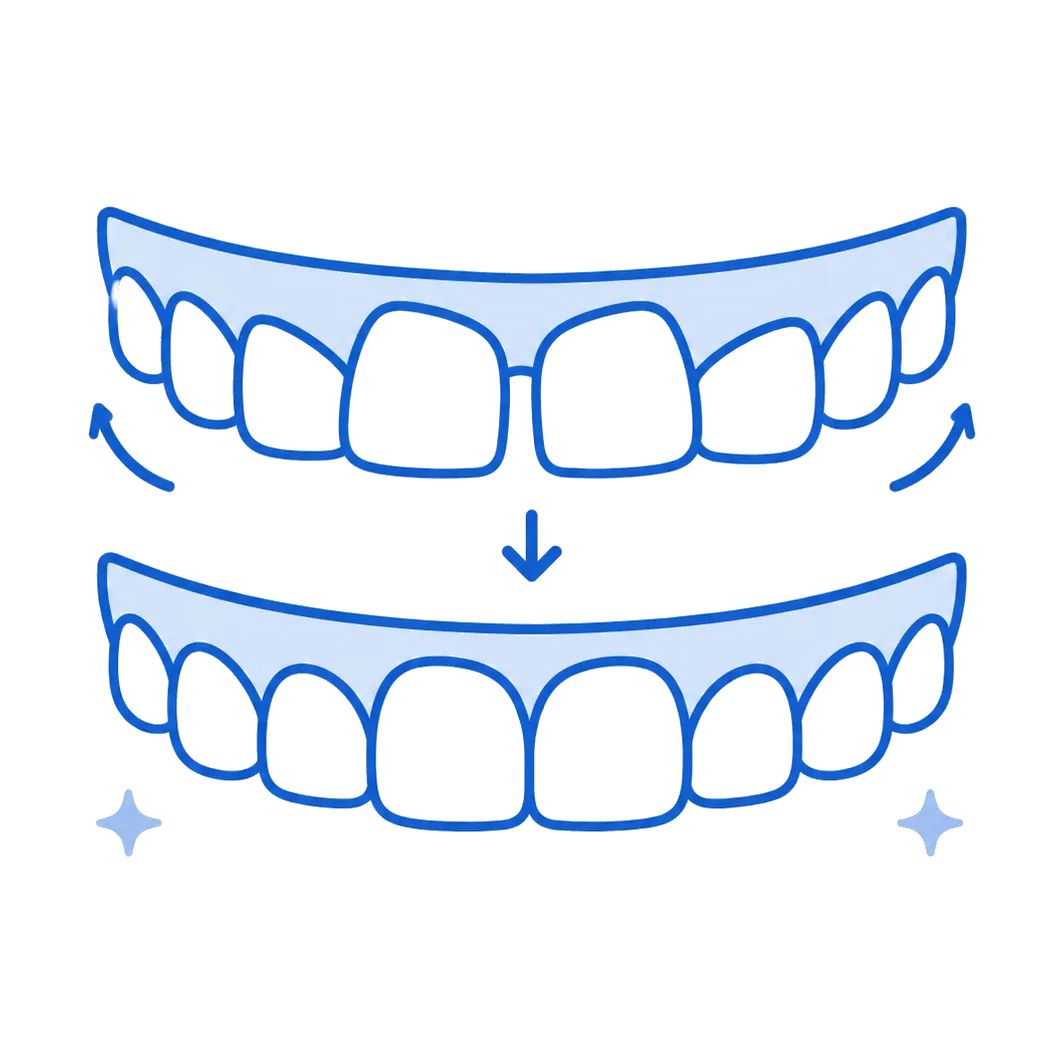 Teeth move efficiently because the bone is actively remodeling
 Jaw growth can still be influenced with functional appliances if needed
 Treatment duration is often shorter than it would be in adulthood
 Long-term stability is easier to achieve when treatment is timed correctly
Waiting too long can mean missed growth opportunities. Starting too early may result in unnecessarily prolonged treatment. Dr. Pinhasov determines the right moment for each patient.
Treatment Options for Teens
Metal Braces. The most popular choice for teenagers. Modern brackets are smaller, more comfortable, and more efficient than previous generations. Teens can personalize their braces with colored elastics. Metal braces handle the widest range of orthodontic problems and don't rely on patient compliance to work.
Ceramic Braces. Tooth-colored brackets that blend with natural teeth. They function like metal braces but are less noticeable. A good option for image-conscious teens who prefer a subtler look but need the control of fixed braces.
Invisalign Teen. A clear aligner system designed specifically for adolescents. Invisalign Teen includes compliance indicators (small blue dots that fade with wear) so parents and Dr. Pinhasov can confirm the aligners are being worn enough. It also accommodates erupting teeth with special features built into the aligner design. Best for teens who are responsible and motivated to wear their aligners 20 to 22 hours per day.
Brava Lingual Braces. Custom braces placed behind the teeth. Completely invisible from the outside and fixed in place, so compliance isn't a concern. An excellent choice for teens involved in performance, modeling, or simply those who want no one to know they're in treatment.
What to Expect
The process starts with a consultation that includes a clinical exam, digital X-rays, photographs, and digital scans. Dr. Pinhasov reviews the findings with you and your teen, explains the diagnosis, and recommends a treatment plan. He'll discuss which appliance is best suited for the case, how long treatment should take, and what it costs.
Once braces are placed or aligners are delivered, your teen will visit the office every 4 to 8 weeks. Appointments are typically brief, around 15 to 20 minutes, and can be scheduled after school.
Average treatment time for teens is 12 to 24 months. Some cases wrap up in under a year. Others involving significant bite correction may take up to 30 months.
After active treatment, retainers are essential. Teeth tend to shift after braces come off, especially in the first year. Dr. Pinhasov will prescribe a retainer protocol to protect the results.
Helping Your Teen Succeed
Compliance matters, especially with removable appliances. Here's what parents can do:
- Set expectations early. Discuss the commitment before treatment starts. Teens who understand the process cooperate better.
- Build oral hygiene into the routine. Braces trap food. A Waterpik, orthodontic brush, and floss threaders should be part of daily care.
- Watch the diet. Hard, sticky, and crunchy foods can break brackets. Dr. Pinhasov provides a clear list at the bonding appointment.
- Keep appointments. Missed visits extend treatment time. Consistent check-ins keep everything on track.
Most teens start between ages 11 and 14, once most permanent teeth have erupted. The right timing depends on each individual's dental development. Some teens are ready at 10; others benefit from waiting until 15. Dr. Pinhasov evaluates tooth eruption, jaw growth, and bite alignment to determine the ideal start time.
Yes. Invisalign Teen is specifically designed for adolescents. It includes compliance indicators and accommodates still-erupting teeth. However, it requires discipline. Teens need to wear their aligners 20 to 22 hours per day and remove them only for eating and brushing. Dr. Pinhasov assesses whether your teen is a good candidate based on both the clinical needs and their maturity level.
Typical teen treatment lasts 12 to 24 months. Minor spacing or crowding cases may finish sooner. Complex bite issues can extend treatment to 30 months. Dr. Pinhasov provides an estimated timeline at the start so you know what to expect and can plan around school milestones.
Braces cause mild soreness for a few days after they're placed and after each adjustment. Most teens describe it as pressure, not sharp pain. Over-the-counter pain relievers and a soft diet for a day or two after adjustments are usually enough. The discomfort decreases as treatment progresses and the teeth settle into their new positions.
Stock the bathroom with the right tools: an orthodontic toothbrush, floss threaders or a Waterpik, and fluoride rinse. Make brushing after meals non-negotiable. Go over the list of foods to avoid (hard candy, popcorn, ice, sticky snacks) and check in periodically. Teens who keep their braces clean finish treatment faster and with healthier teeth.
Our Office
Visit Us Online
YOUR INVISALIGN ORTHODONTIST IN QUEENS,NY
Why Choose Dr. Pinhasov for Your Teen's Treatment
Dr. Pinhasov isn't just an orthodontist. He's a board-certified ABO Diplomate, which means he's passed the most rigorous credentialing exam in the specialty. He stays at the front of clinical technique and research.
That academic rigor translates directly to your teen's care. Complex bites, impacted teeth, growth-related jaw discrepancies: these are the cases Dr. Pinhasov sees daily in his residency program and private practice. His NYU DDS with honors and 15 years of clinical experience mean your teen gets treatment grounded in deep knowledge, not just a cookie-cutter approach. Consultations are available in English, Russian, and Spanish.
Why BP Smiles
Orthodontic care Queens trusts

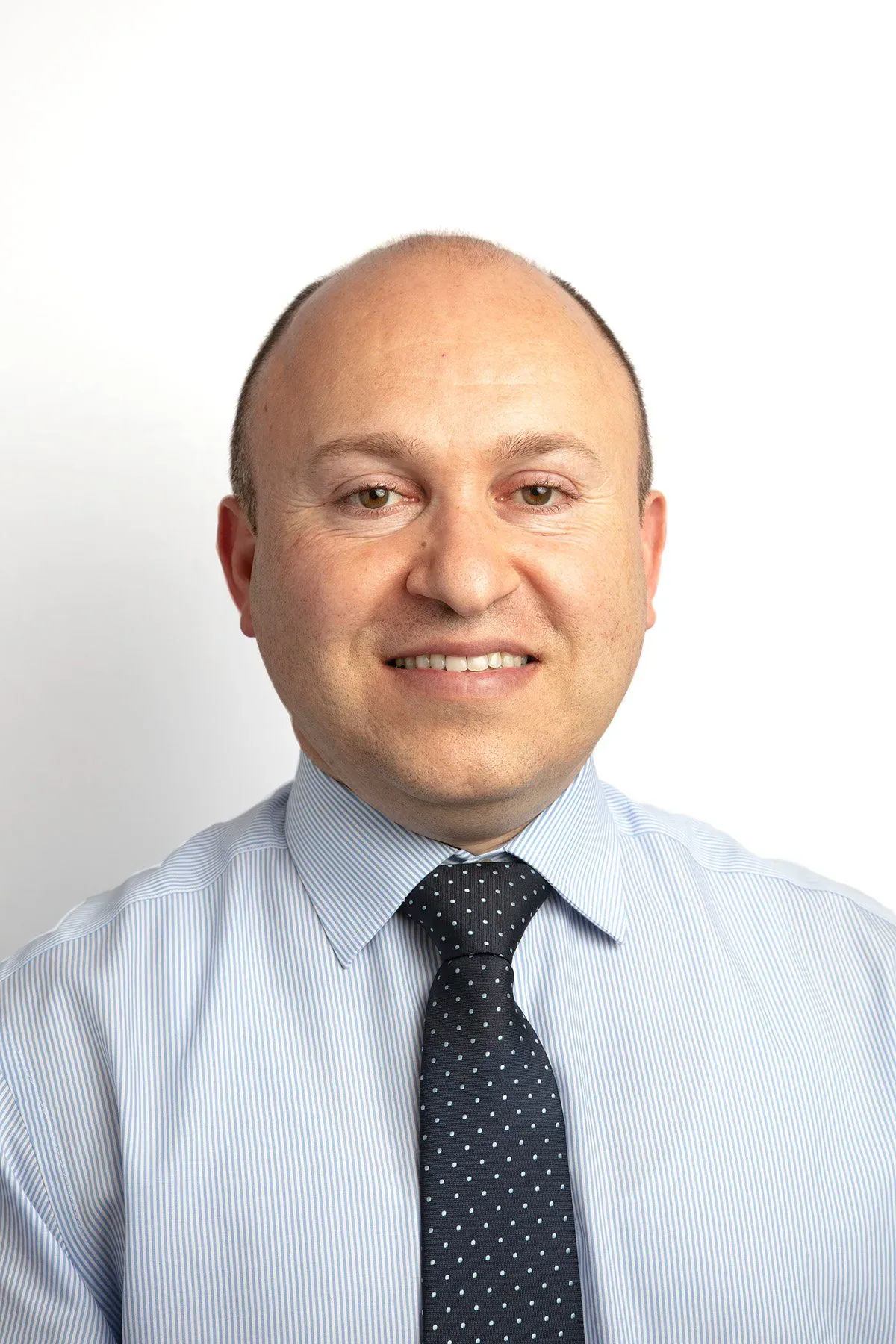
Board-Certified Orthodontist
Dr. Boris Pinhasov is a board-certified orthodontist and ABO Diplomate with 15 years of experience.

Braces for Every Case
Traditional metal and clear ceramic braces that correct even complex bite and alignment issues.
Certified Invisalign Provider
Nearly invisible, removable clear aligners for teens and adults who want a discreet option.
Children, Teens & Adults
Care tailored to every stage, from a first evaluation at age 7 through adult treatment.

Advanced iTero Technology
Digital iTero scans and ClinCheck planning replace goopy impressions for a comfortable visit.

Free Consultations
Your first visit is complimentary, with no commitment. We review your options together.
Board-certified orthodontic care in Queens.
BP Smiles Orthodontics, your orthodontist in Queens, NY.
FAQ
Frequently Asked Questions
Most teens start between ages 11 and 14, once most permanent teeth have erupted. The right timing depends on each individual's dental development. Some teens are ready at 10; others benefit from waiting until 15. Dr. Pinhasov evaluates tooth eruption, jaw growth, and bite alignment to determine the ideal start time.
Yes. Invisalign Teen is specifically designed for adolescents. It includes compliance indicators and accommodates still-erupting teeth. However, it requires discipline. Teens need to wear their aligners 20 to 22 hours per day and remove them only for eating and brushing. Dr. Pinhasov assesses whether your teen is a good candidate based on both the clinical needs and their maturity level.
Typical teen treatment lasts 12 to 24 months. Minor spacing or crowding cases may finish sooner. Complex bite issues can extend treatment to 30 months. Dr. Pinhasov provides an estimated timeline at the start so you know what to expect and can plan around school milestones.
Braces cause mild soreness for a few days after they're placed and after each adjustment. Most teens describe it as pressure, not sharp pain. Over-the-counter pain relievers and a soft diet for a day or two after adjustments are usually enough. The discomfort decreases as treatment progresses and the teeth settle into their new positions.
Stock the bathroom with the right tools: an orthodontic toothbrush, floss threaders or a Waterpik, and fluoride rinse. Make brushing after meals non-negotiable. Go over the list of foods to avoid (hard candy, popcorn, ice, sticky snacks) and check in periodically. Teens who keep their braces clean finish treatment faster and with healthier teeth.