Orthodontic Services
Braces in Queens, NY: Metal, Ceramic, and Hidden Lingual Braces
Braces for kids, teens, and adults, planned by Dr. Pinhasov to straighten your teeth and correct your bite. See the same orthodontist at every adjustment, and start with a free consultation in Queens.
“Dr. Boris gave me the smile I’ve always wanted. Super thankful for how much he cares. Hands down the best orthodontist.”

ABO Diplomate
Languages
English · Русский · Español
Free Consultations
Board-Certified Orthodontist
Common questions
Braces in Queens: length, visits and cost

Concern Match
Are Braces Right for You?
Five common concerns before starting braces, and where to read more.
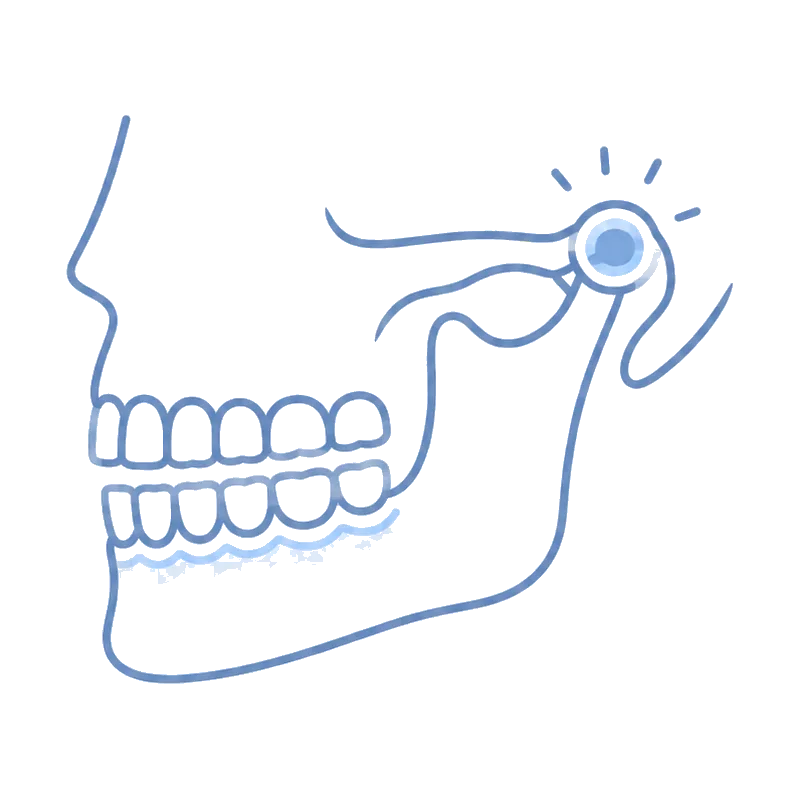
My jaw clicks and hurts. Will braces fix my TMJ?
TMJ is generally addressed first. Dr. Pinhasov refers patients with active TMJ symptoms to a TMJ specialist before orthodontic treatment, since braces may not fully resolve TMJ pain on their own.

I don't want my braces to show at work. What are my options?
Clear ceramic braces blend with your enamel, and lingual braces or Brava sit behind the teeth where no one sees them.
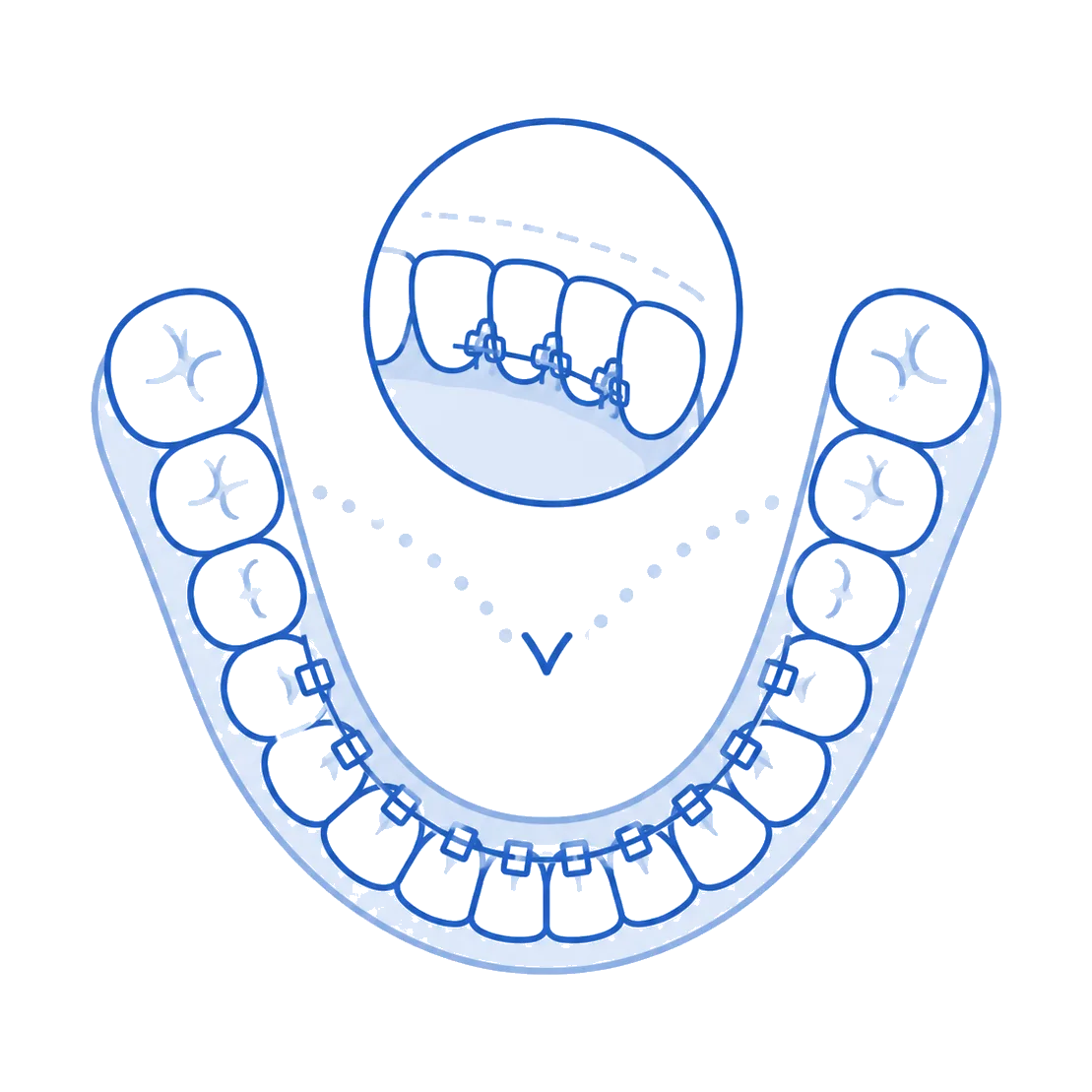
I want something I can take out to eat. Could aligners work for me?
Invisalign clear aligners suit mild to moderate cases and come out for meals. Severe bite problems usually need fixed braces.
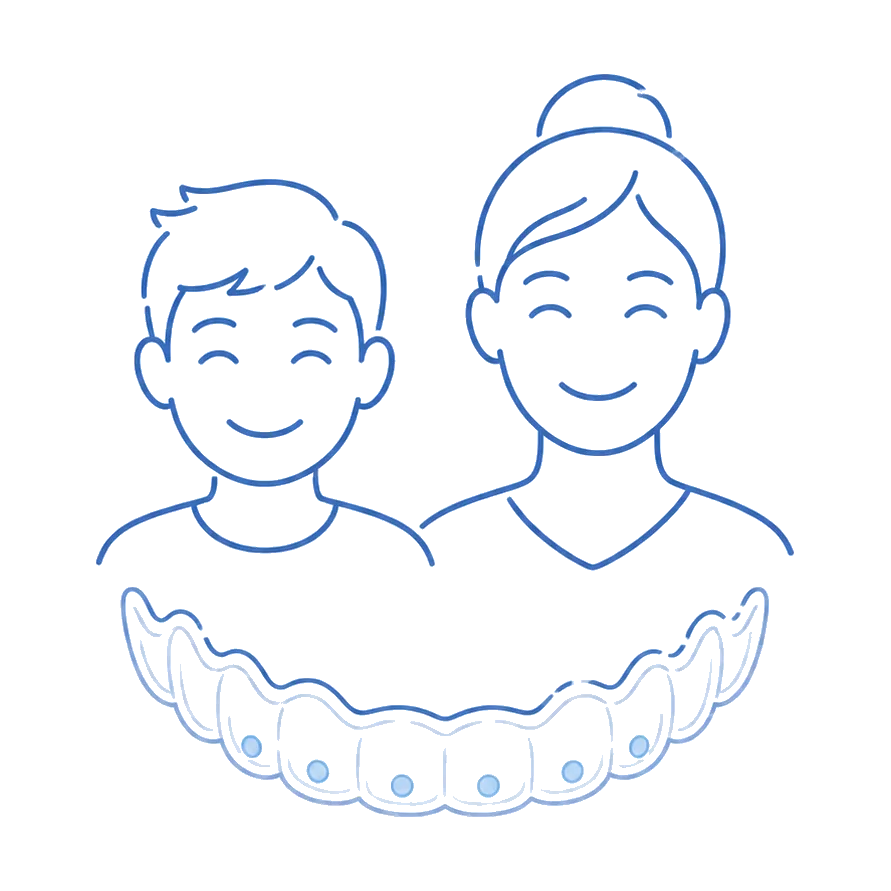
I am well past my teens. Am I too old for braces?
Adults can be treated with braces at any age, as long as the gums are healthy. Adult cases have their own timeline and retention plan.

My teen plays football. Is it safe to play with braces?
Yes, with an orthodontic mouthguard that protects both the teeth and the brackets during contact sports.
Years of Practice
Languages Spoken
Star Rating
Google Reviews
Braces from an orthodontist in Queens, NY
Most people thinking about braces have the same three worries: will it hurt, how visible will it be, and what will it cost. At BP Smiles we deal with all three head on. Dr. Boris Pinhasov plans your treatment to correct the bite as well as line up the front teeth, so the result is healthy and holds. You choose how visible your braces are, from classic metal to clear ceramic to hidden lingual braces. And your first consultation is free, so you leave with an honest plan and your real price before you decide anything. We treat kids, teens, and adults from across Queens.
Call (718) 290-9444 to schedule your braces consultation, or book online.
What are braces and how do they move teeth?
Braces are a fixed orthodontic system that uses brackets bonded to your teeth and a connecting archwire to apply continuous, gentle pressure that moves teeth into a planned alignment. Brackets are adjusted at regular intervals, typically every four to six weeks, and the full series of adjustments shifts your teeth and bite into their final position.
The American Association of Orthodontists recommends a first orthodontic evaluation by age seven so an orthodontist can identify alignment, bite, and jaw-development issues early [1]. Most full braces treatment begins later, around ages 11 to 13, once most adult teeth have erupted. Adults can also be treated with braces at any age.
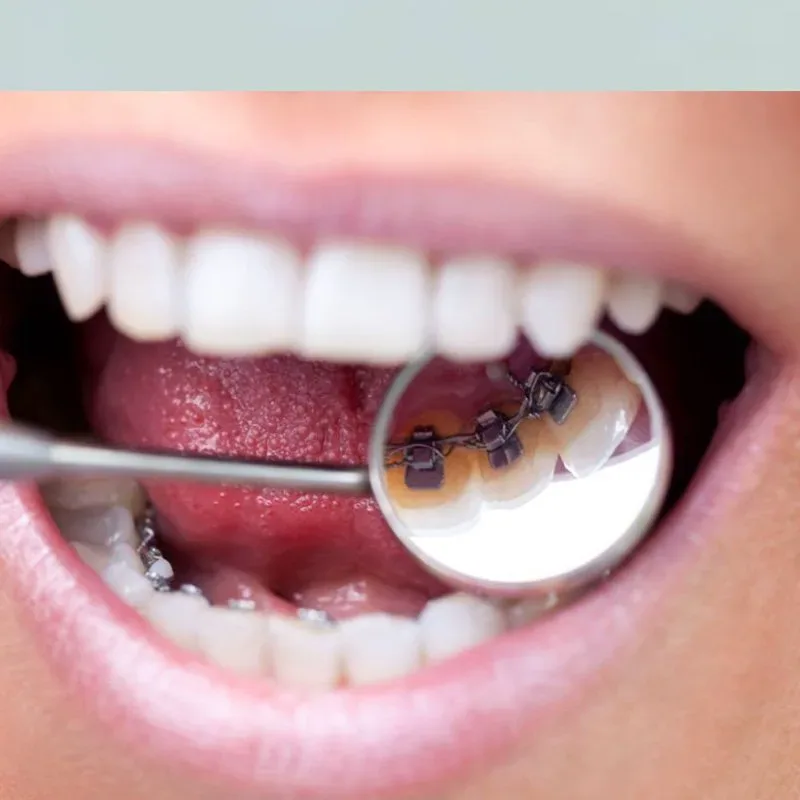
At BP Smiles Orthodontics, Dr. Pinhasov offers three bracket types so each case can be matched to your priorities for visibility, cost, and treatment complexity: traditional metal, tooth-colored ceramic, and behind-the-teeth lingual braces.
Why braces treat the widest range of cases
Braces work for the broadest range of orthodontic cases of any treatment we offer. Here is what they do well:
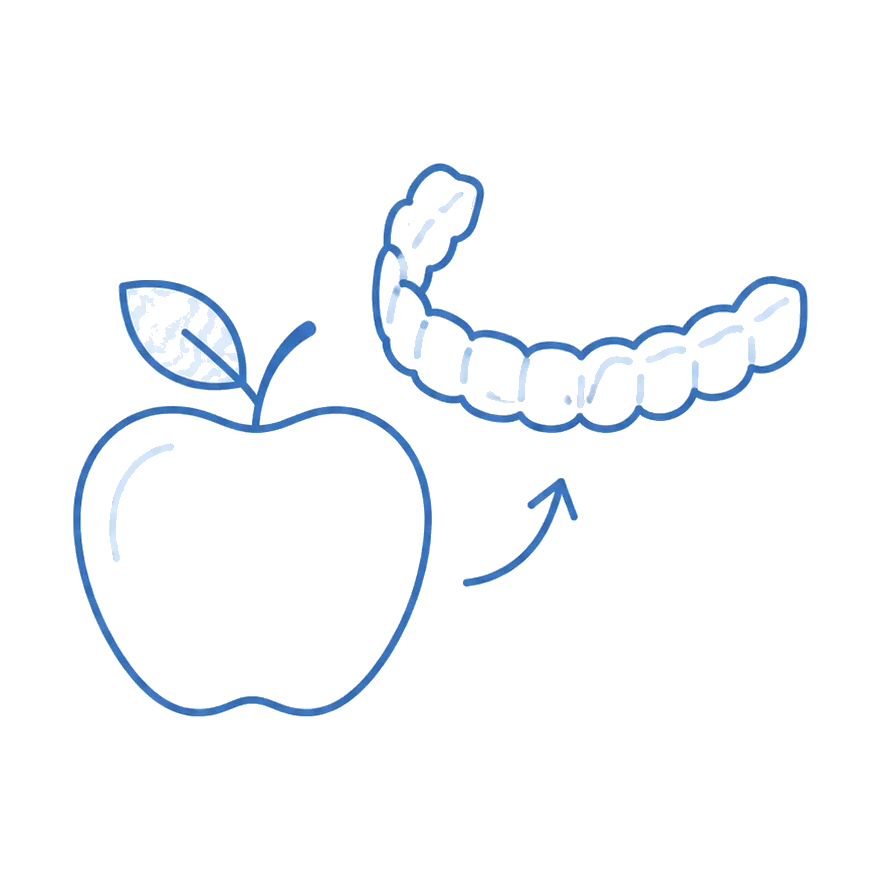
Treats the full range of cases. From mild crowding to severe bite issues, braces can correct what other systems cannot.
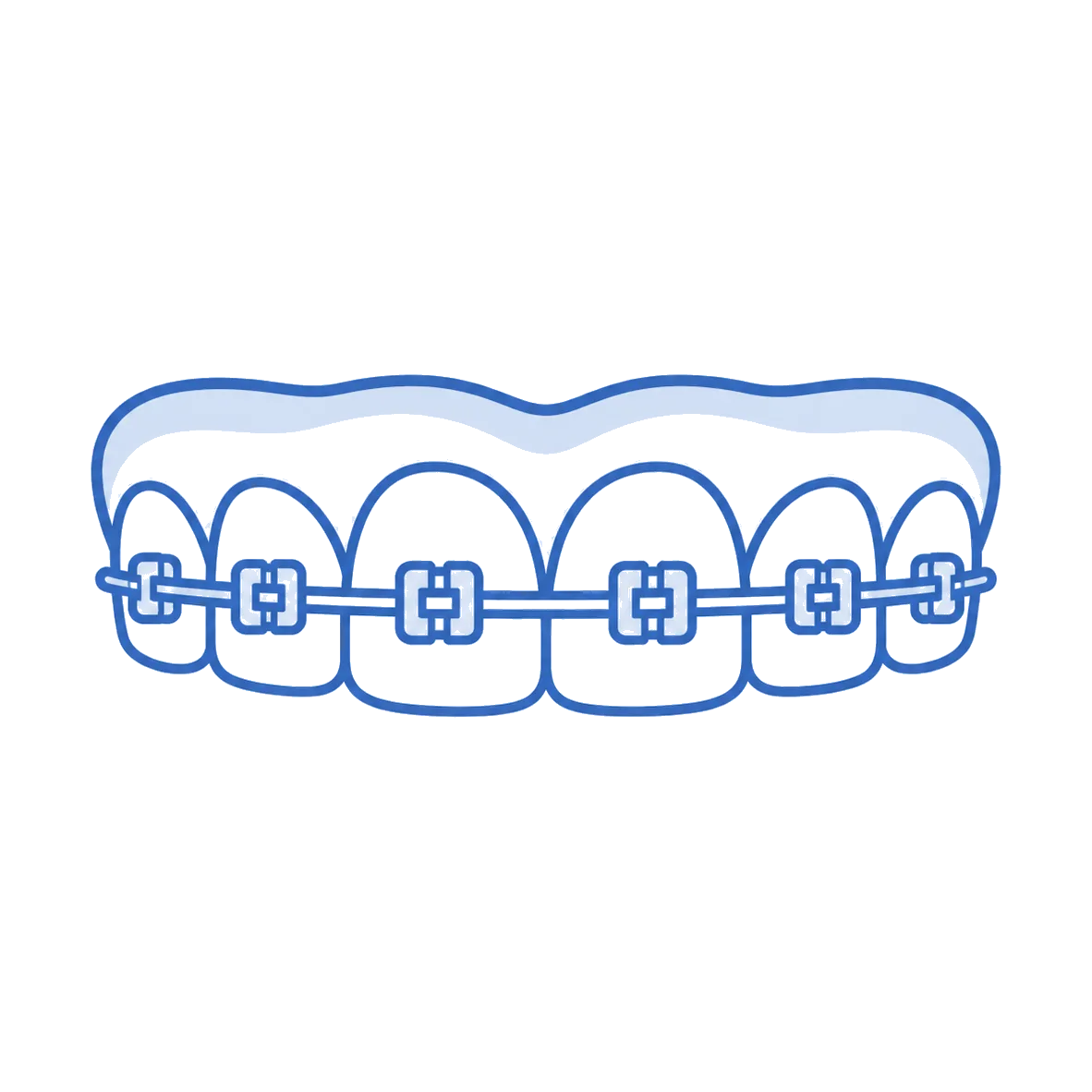
Continuous force. Unlike removable aligners, fixed brackets work 24 hours a day. There is nothing to forget.
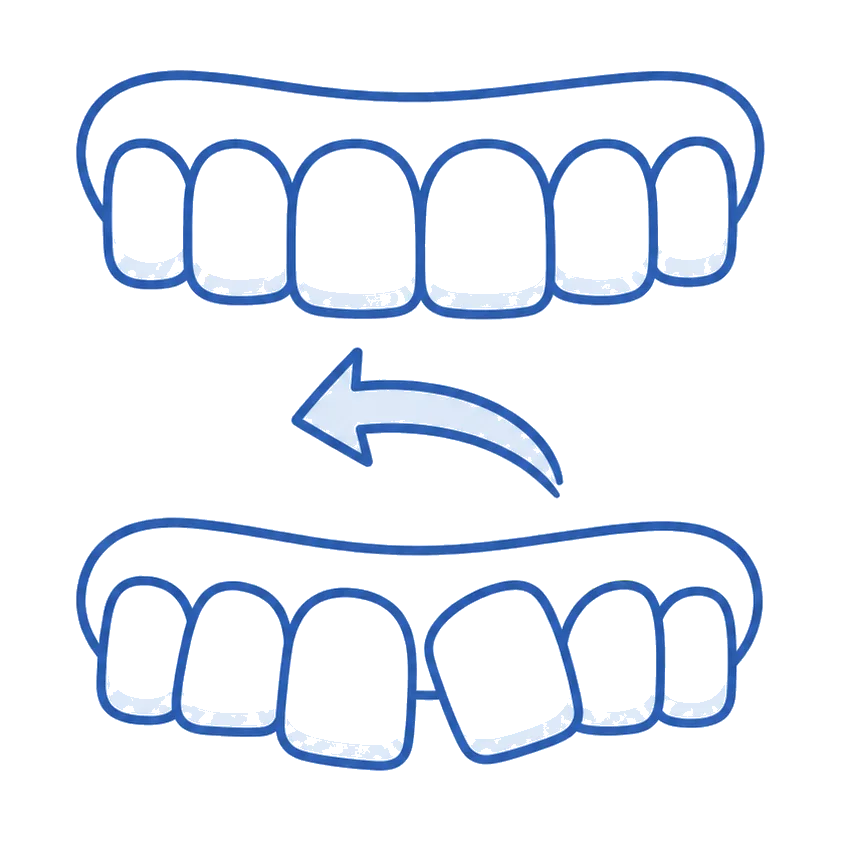
Bite correction. Comprehensive braces treatment corrects overbites, underbites, and crossbites alongside crooked teeth, which improves how your teeth work for chewing and reduces uneven wear over time.
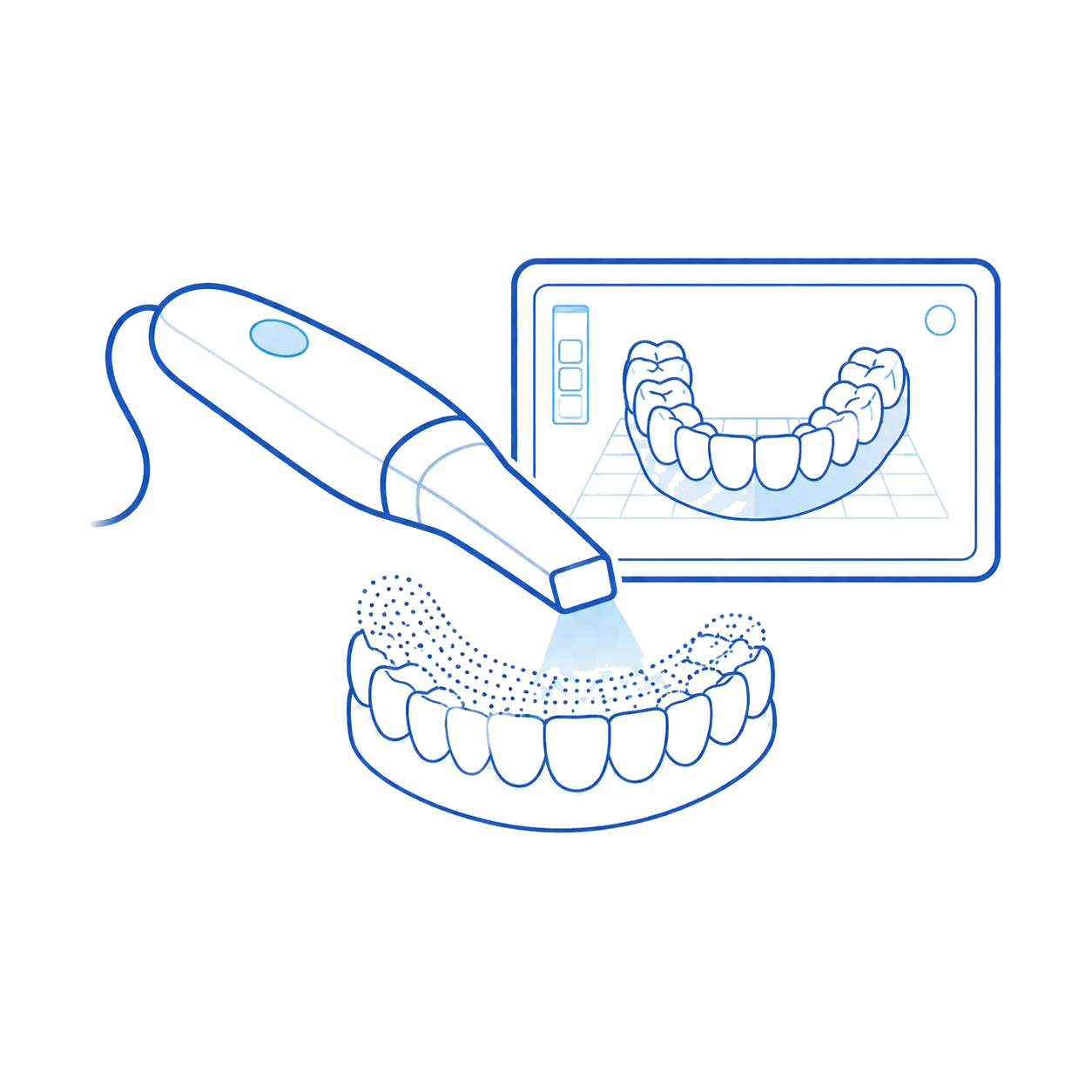
Proven over decades. Braces have the longest clinical track record of any orthodontic system.
Who is a good candidate for braces?
Braces work for almost any orthodontic case, including:
Some conditions need to be resolved before braces treatment can begin. Active periodontal disease must be treated by a periodontist or general dentist first. TMJ pain or dysfunction is generally evaluated by a TMJ specialist before orthodontic treatment, since braces are not a guaranteed TMJ fix. Untreated cavities should be handled by your general dentist before bonding brackets. During your consultation, Dr. Pinhasov reviews your X-rays and bite assessment to confirm braces are the right approach, or recommend an alternative.
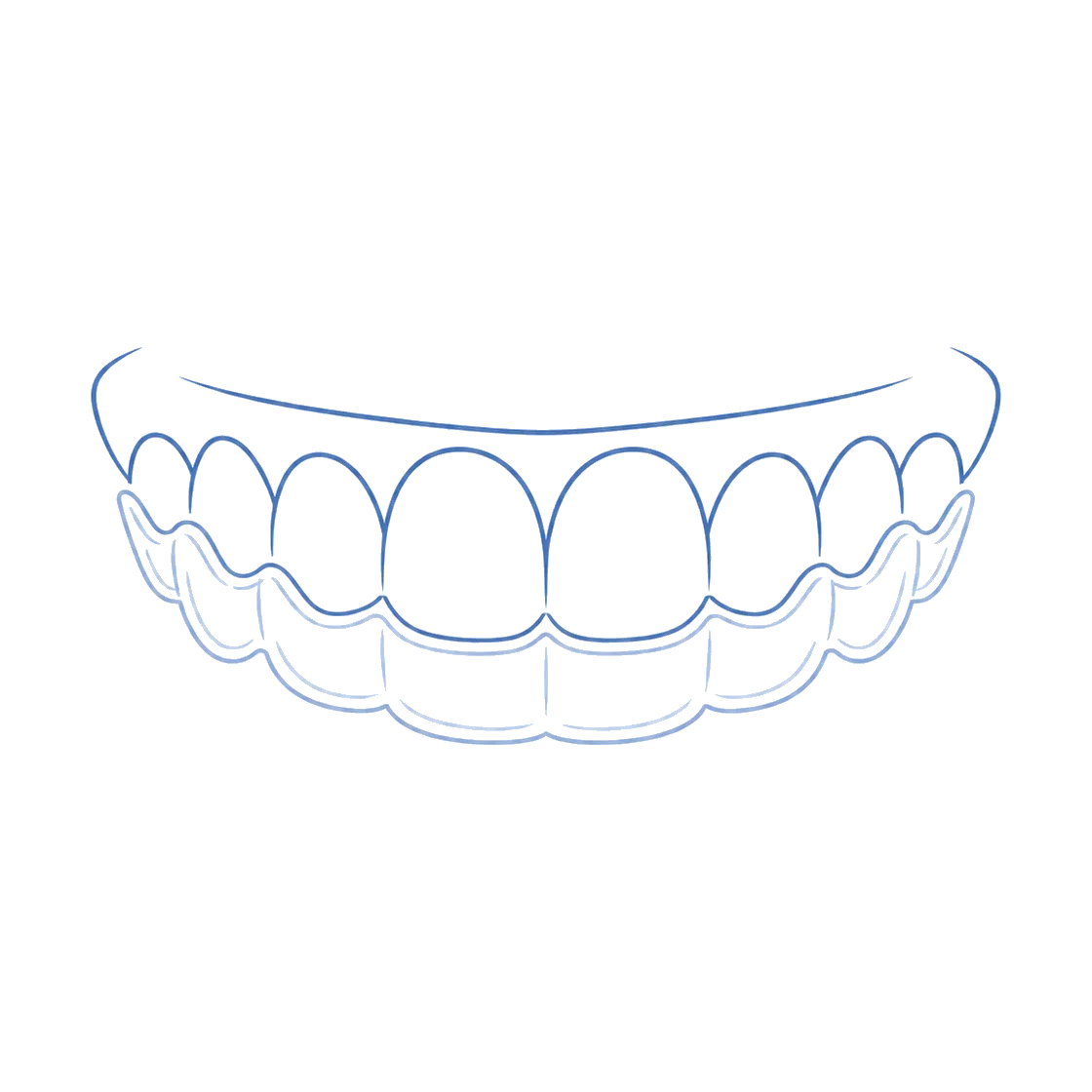
Crowded or overlapping teeth
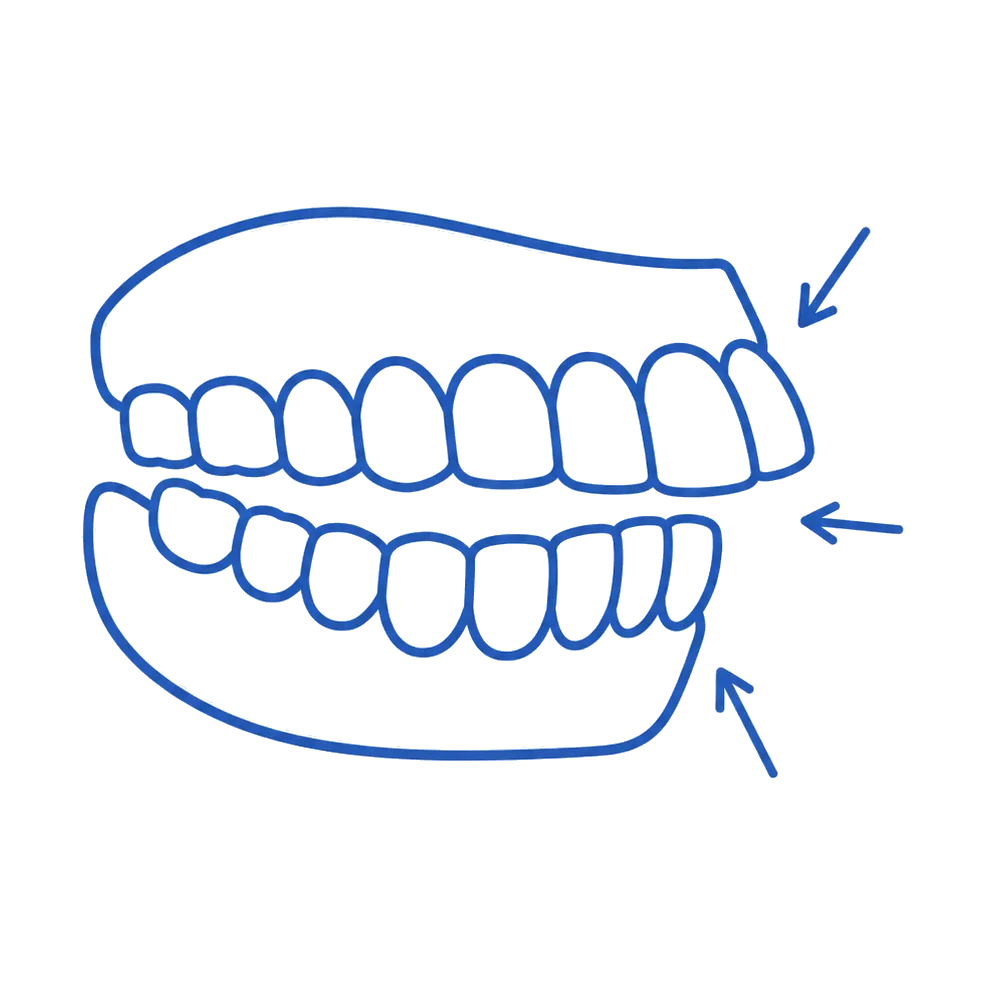
Spacing or gaps
Mild, moderate, and severe overbite, underbite, or crossbite
Tooth rotation, including significant rotation
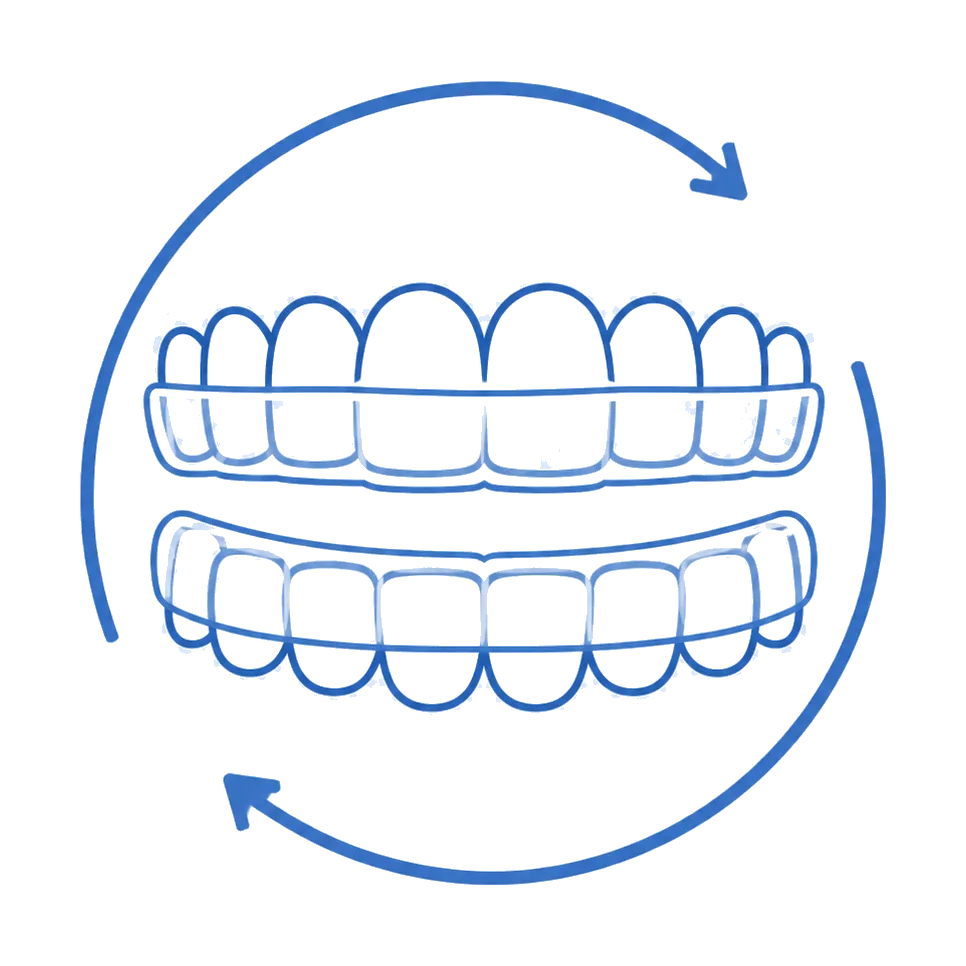
Complex jaw or bite alignment cases
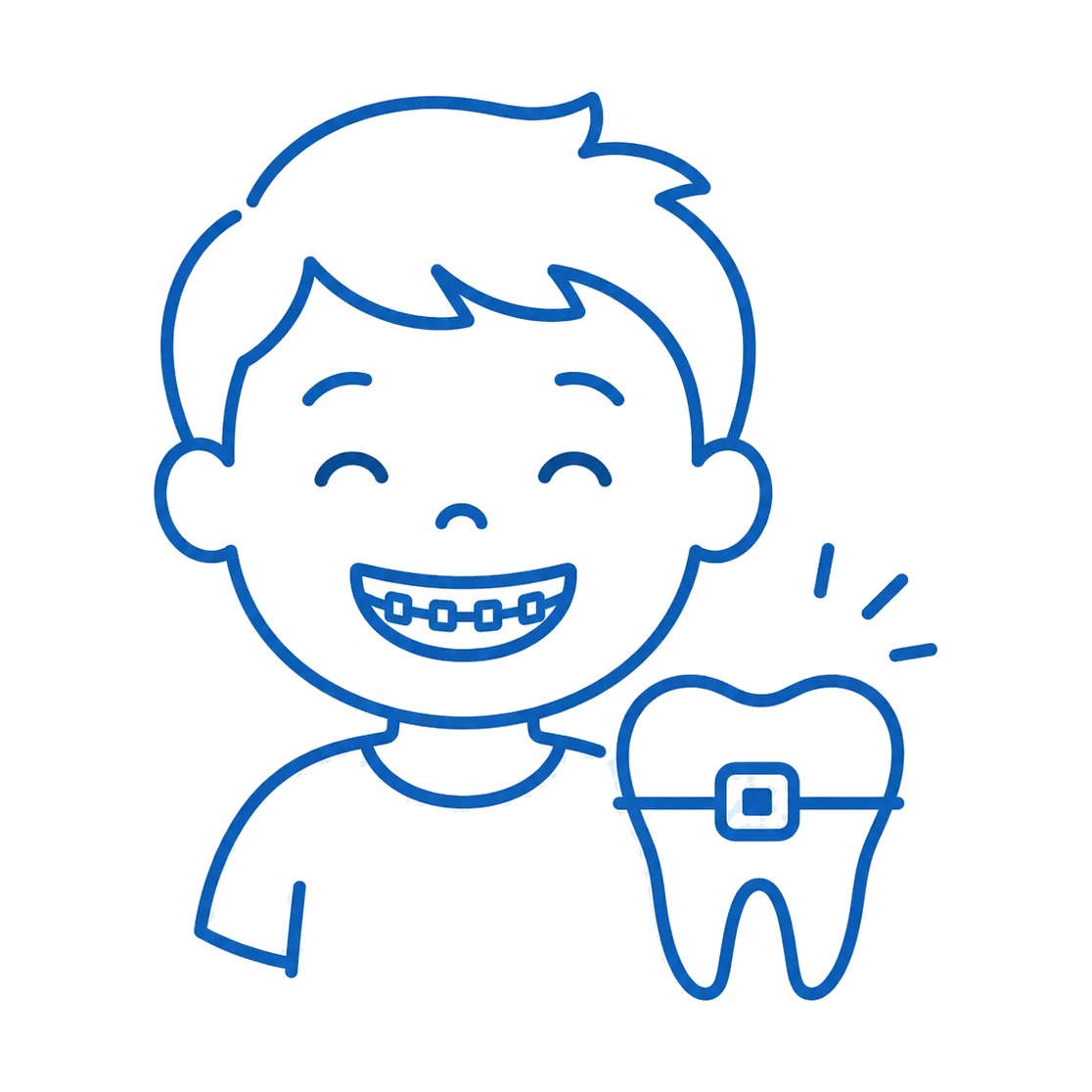
Children, teens, and adults of any age
Patients with crowns or veneers (special bonding materials are used)
Patients with dental implants (the implants do not move, but neighboring teeth can be aligned around them)
YOUR INVISALIGN ORTHODONTIST IN QUEENS,NY
Your braces consultation with Dr. Pinhasov in Queens
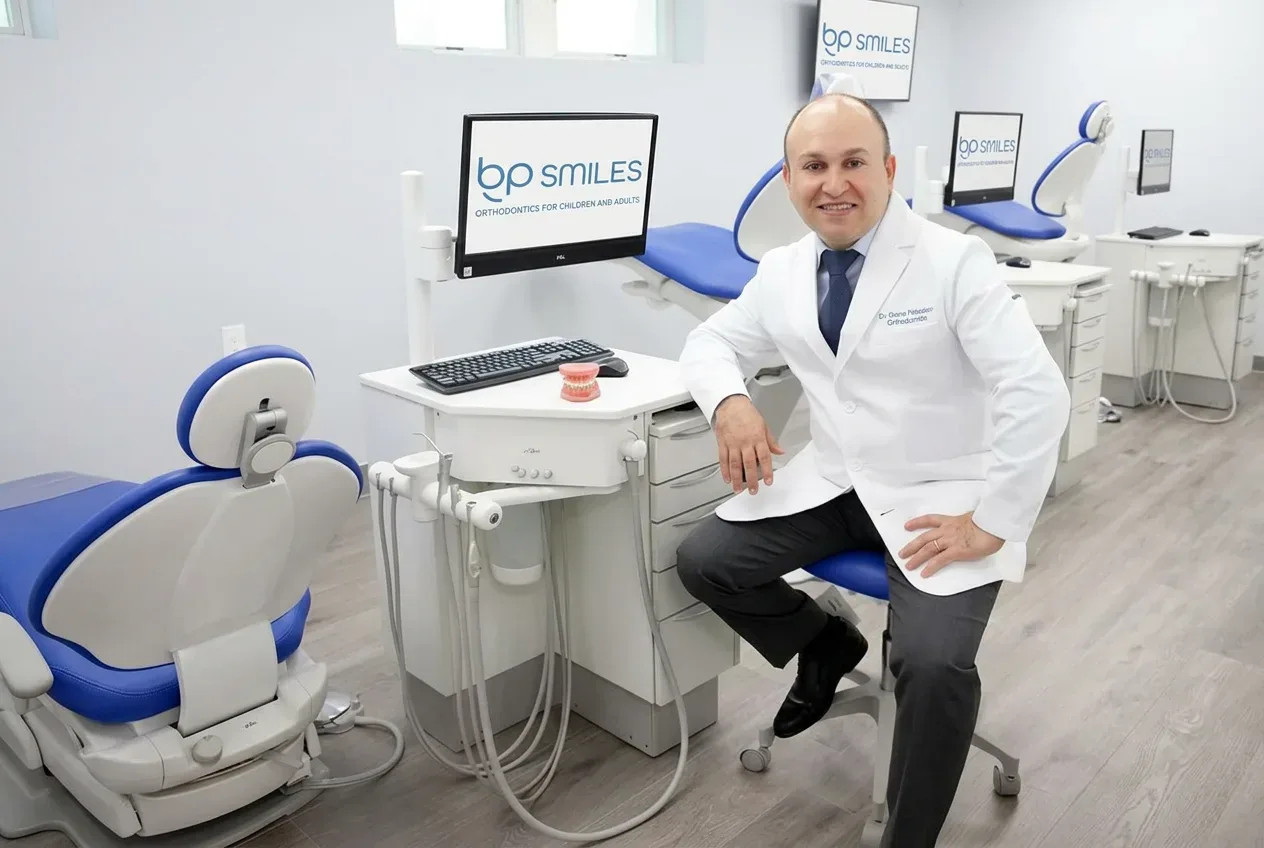
Dr. Boris Pinhasov, DDS, is board-certified by the American Board of Orthodontics. He completed dental training at NYU College of Dentistry and has practiced orthodontics in Queens for 15 years. Consultations are available in English, Russian, and Spanish.
A braces consultation with Dr. Pinhasov covers:
- A digital 3D iTero Lumina scan of your teeth and a panoramic X-ray review
- A full bite assessment, including evaluation for any TMJ, gum, or restorative concerns that need to be addressed first
- Discussion of bracket options (metal, ceramic, lingual) and which is right for your case
- Clear pricing, total case cost, projected treatment timeline (typically 12 to 36 months), and expected adjustment cadence
- Insurance verification, plus payment options walked through with you
- Time to ask every question, with no pressure to commit
Call (718) 290-9444 or book your consultation online.
How to prepare for getting braces
Once you and Dr. Pinhasov agree on a treatment plan, here is what to expect in the weeks leading up to your bonding appointment:
Two weeks before: Schedule a routine cleaning with your general dentist. Clean teeth take brackets better and stay healthier through treatment.
Resolve any pending dental work first. If you have untreated cavities, active gum disease, or a tooth that needs a crown or filling, complete that work before brackets are bonded. Dr. Pinhasov will coordinate timing with your general dentist or specialist.
Stock up on soft foods. The first few days after bonding can feel tender. Yogurt, smoothies, soft pasta, eggs, and soup are easy options.
Day of bonding: The visit takes about 60 to 90 minutes. Dr. Pinhasov cleans, etches, and bonds each bracket, then runs the archwire and ties it in place. You will leave with brackets in place and an orthodontic wax kit for any spots that need extra comfort.
Bring: Insurance card, a list of any medications, and any prior dental X-rays not already in our records.
Braces treatment step by step, from bonding to retainer
Treatment with braces moves through four phases.
Choosing your bracket type. During your consultation, Dr. Pinhasov reviews three options:
Bonding (60 to 90 minutes). Dr. Pinhasov cleans, etches, and bonds each bracket to the front (or back, for lingual) of every tooth in treatment. The archwire is threaded through the brackets and tied with elastic bands or self-ligating clips. You leave with the appliance in place.
Adjustment phase (12 to 36 months total). You return every four to six weeks. At each visit, Dr. Pinhasov tightens or replaces the archwire to continue moving your teeth toward the planned alignment. Most cases finish in 12 to 24 months; complex cases (severe bite issues, surgical cases, growth-pattern considerations) can run closer to 36 months.
Removal and retention. Once your teeth reach the planned position, brackets and wires are removed in a single appointment. Dr. Pinhasov fits you with a retainer. Retainer wear is essential. Without it, teeth tend to drift back toward their original position.
Traditional metal braces are the most efficient option for the broadest range of cases. They are the most affordable and the most durable.
Ceramic braces use tooth-colored brackets that blend with your enamel. The mechanics are the same as metal; the difference is how visible they are.
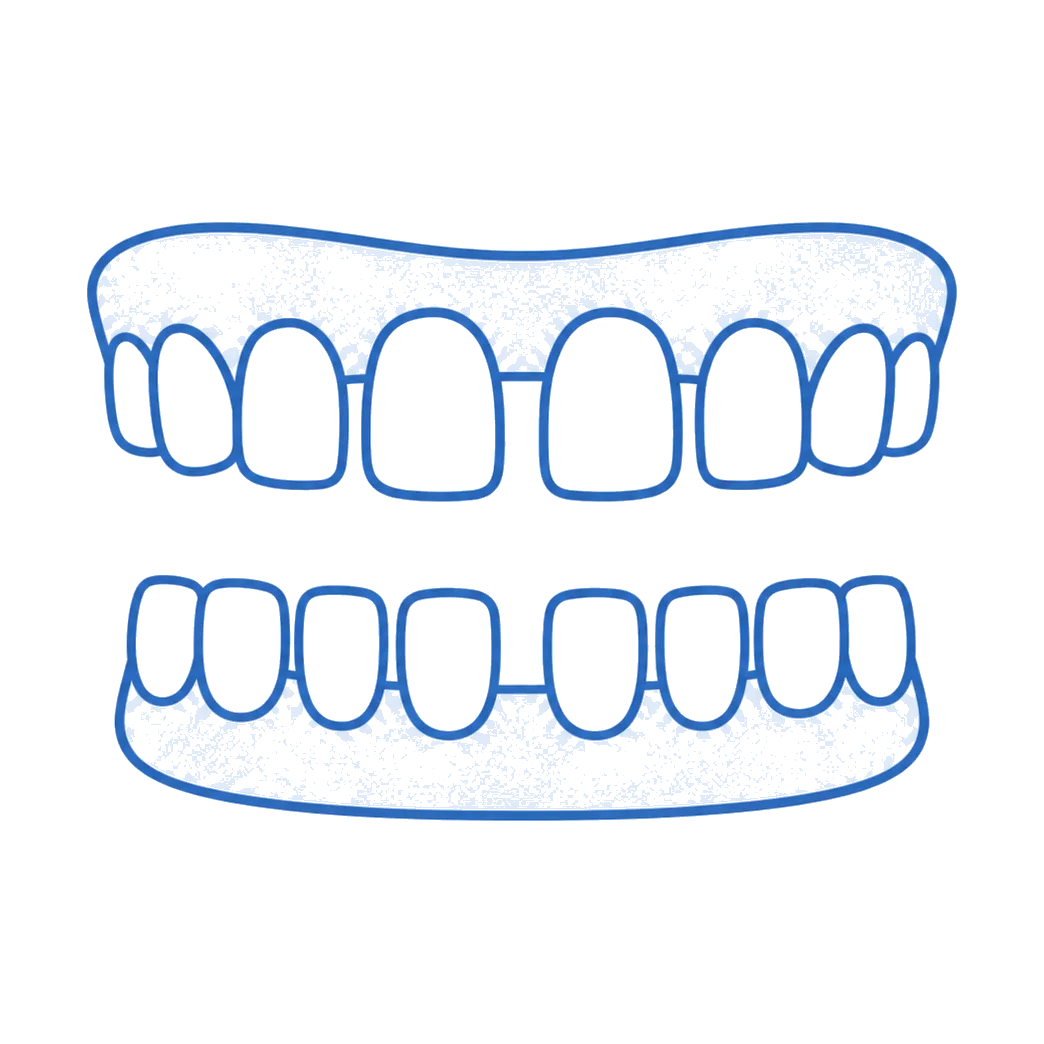
Lingual braces are bonded to the back of the teeth, completely hidden from the front. They suit patients who want fully invisible treatment without removing aligners for meals.
Living with braces: soreness, food and cleaning
Braces do not have a recovery period in the surgical sense, but the first week and the first day or two after each adjustment can feel tender. Most patients adjust within a few days.
What can you eat with braces?
Sticky, chewy, and hard foods cause brackets to break and wires to bend. Avoid gum, taffy, caramels, hard candy, popcorn kernels, ice, and chewing on pens or fingernails. Cut tough or fibrous foods (whole apples, raw carrots, bagels, jerky) into small pieces before eating. Off-limits is temporary; once your braces come off, everything is back on the menu.
How to brush and floss with braces
Brush after every meal. Floss daily using a floss threader or water flosser to clean around the wire. Poor oral hygiene during treatment increases the risk of cavities, gum inflammation, and white-spot decalcification marks that can be permanent. If gum problems develop during treatment, Dr. Pinhasov may pause active orthodontic care until they are resolved.
How long do braces hurt after an adjustment?
The first 24 to 48 hours after a tightening visit are usually the most tender. Soft foods, an over-the-counter pain reliever if needed, and orthodontic wax for any bracket that is irritating your cheek or lip will get you through. The discomfort is mild and fades quickly.
Can you play sports with braces?
Use a mouthguard for any contact sport. We can fit you with an orthodontic mouthguard that protects both your teeth and your appliance. If a bracket is loosened or a wire is bent during play, call our office at (718) 290-9444; we will see you for a quick repair.
What to do about a broken bracket or poking wire
If a bracket comes loose, a wire is poking, or anything else feels wrong, call (718) 290-9444 right away. Most braces emergencies can be handled with a same-day or next-day visit. In the meantime, orthodontic wax (in your kit) covers any spot that is irritating your cheek. For broader information on what we treat, see our orthodontic emergencies page.
Braces results month by month, and keeping them
What to expect over the course of treatment:
First few weeks. Subtle alignment changes; teeth begin to move into the planned positions.

Mid-treatment (months 6 to 18). Crowding eases, gaps close, and bite improvements become visible. Each adjustment visit refines the position.

Final months. Fine adjustments to align the bite precisely, set tooth angulation, and finalize the aesthetic result.
Removal day. Brackets and wires come off in one appointment. Teeth feel slightly different at first; that is normal.
Retention. Once active treatment ends, you wear a retainer to hold the result. Retention is permanent in the sense that teeth always want to drift back. Consistent retainer wear is what protects the months or years you spent in treatment.
Braces alternatives and related treatments in Queens
Braces are one of several orthodontic options at BP Smiles. Depending on your case, Dr. Pinhasov may discuss any of the following during your consultation:
If your case needs work that we do not perform in-office (for example, treatment of active periodontal disease, wisdom-tooth removal, or restorative work like fillings or crowns), Dr. Pinhasov coordinates the referral and timing so it does not disrupt your orthodontic plan.
Invisalign clear aligners for mild to moderate cases where you want a removable, nearly invisible alternative to brackets.
Orthodontics for teens covers braces, Invisalign Teen, and timing considerations specific to growing patients.
Orthodontics for children including the first orthodontic evaluation, recommended around age seven, and any early interceptive treatment that might be needed.
Adult orthodontics covers braces and Invisalign for adults, with specific timeline and retention considerations.
Brava by BRIUS is a behind-the-teeth alternative that combines the invisibility of lingual braces with the comfort of self-positioning bracket technology.
Orthodontic emergencies for what to do if a bracket loosens, a wire pokes, or any other appliance issue comes up between visits.
How much do braces cost in Queens, NY?
Braces cost at our Queens office depends on your case complexity and the bracket type you choose, which we go over at your free consultation so you leave knowing your real price, with payment options to fit your budget:
Our quote includes all routine adjustment visits during the treatment period and your first set of retainers at the end. After your iTero scan, X-rays, and bite assessment, Dr. Pinhasov gives you the exact case cost up front so there are no surprises.
Financing: Payment options are discussed at consultation and tailored to each patient's needs.
Insurance: Many dental plans include orthodontic benefits that cover part of braces treatment, especially for children and teens. Some plans have age limits or lifetime maximums on orthodontic coverage. We work with most plans that include orthodontic benefits and verify your coverage before your appointment so you know exactly what is covered before you commit. Call (718) 290-9444 with your insurance information and we can check your benefits in advance.
Traditional metal braces are the most affordable option.
Ceramic braces sit in the middle of the range; you are paying for the tooth-colored look, and the mechanics match metal.
Lingual braces are at the upper end of the range. Lingual brackets are custom-fit to the back surface of each tooth, which is a more involved fabrication and bonding process.
Why BP Smiles
What braces patients get at BP Smiles in Queens
Braces that correct your bite as well as straighten teeth
Dr. Pinhasov is a board-certified orthodontist who plans your treatment around how your teeth bite together as well as how they look in front. A corrected bite helps the result hold after the braces come off.
“I have been going to BP smiles since i was young to get my braces and they have been very pleasant. My teeth a perfect and they have great patient service.”
Audrey Agbato
The same orthodontist at every braces adjustment
You see Dr. Pinhasov at each visit, and he makes each adjustment with a careful, gentle hand.
“My whole braces experience was great! Very attentive and had the whole process go smoothly!”
Yoel Jorge
Metal, clear ceramic or hidden lingual braces: your choice
Classic metal braces with fun colored bands for kids and teens, clear ceramic braces that blend in, or lingual braces hidden behind your teeth for adults who want treatment no one can see. We fit the braces to your life.
Braces price and insurance explained before you start
Your consultation is free, and you leave knowing your real price and what insurance covers, with payment options to fit your budget. No hidden fees, no charges sprung on you mid-treatment.
Quick repairs when a bracket or wire breaks
A loose bracket or a poking wire is a quick fix. Call us and we get you in, so small issues stay small. We also build around your week with free parking, Sunday and evening hours, and care in English, Russian, and Spanish.
“I broke my tooth, and BP Smiles Orthodontist is where I've been going for almost a year. I like their modern technology and friendly staff. Even my dentist likes my smile. I never thought wearing braces could be so much fun. I highly recommend BP Smiles.”
William Jones
“Dr. Boris is patient and knowledgeable. He and the staff offer great bedside manner. He explained the whole process in great detail, from metal expanders to braces. My child's teeth have made a vast improvement over the course of 10 months.”
J. L.
Board-certified orthodontic care in Queens.
BP Smiles Orthodontics, your orthodontist in Queens, NY.
FAQ
Braces in Queens: common questions
Braces treatment usually takes anywhere from 12 to 36 months, depending on the age of the patient, growth pattern, surgical necessity, and case complexity. During your consultation, Dr. Pinhasov gives you a projected treatment length specific to your case.
Four to six weeks is the average time between adjustment appointments. At each visit, Dr. Pinhasov tightens or replaces the archwire to continue moving your teeth toward their final position.
Yes. We have special bonding materials that allow us to cement brackets onto crowns and veneers, so braces are definitely possible.
Yes. Patients with dental implants can still get braces to improve the alignment of their teeth. The implants themselves cannot be moved, but we can adjust the neighboring teeth and improve the bite around them.
We cannot begin orthodontic treatment if you have active periodontal disease. The condition must be resolved by a periodontist or general dentist first. Once the disease is no longer active, treatment can proceed.
Yes. If a tooth has an issue during your braces treatment, you can still undergo root canal treatment safely. The procedure can be performed even with braces in place.
Braces can definitely fix underbites, depending on the severity. For mild cases, braces are very effective. In more severe cases, additional treatments may be necessary to fully correct the underbite.
The American Association of Orthodontists recommends an initial consultation by age seven. Treatment usually does not start that early; most cases begin around ages 11 to 13, when adult teeth have erupted. The age-seven evaluation lets us catch any big issues early and plan timing.
Keep Reading
Explore More
Disclaimer: This information is provided for educational purposes and is not a substitute for professional dental or medical advice. Please schedule a consultation with our team to discuss your individual needs.