
Orthodontic Services
Sleep Apnea
Tired of snoring or uncomfortable CPAP masks? Dr. Boris Pinhasov at BP Smiles Orthodontics offers oral appliances that help you breathe and sleep easier.

ABO Diplomate

Languages
English · Русский · Español
Free Consultations

Board-Certified Orthodontist
Obstructive sleep apnea affects millions of adults, and CPAP machines aren't the only answer. At BP Smiles Orthodontics, Dr. Boris Pinhasov designs custom oral appliances that reposition the lower jaw forward during sleep, keeping the airway open without masks, hoses, or noise. As a board-certified orthodontist, Dr. Pinhasov brings a level of jaw mechanics expertise that general dentists simply don't have. If you've been diagnosed with mild to moderate obstructive sleep apnea or can't tolerate your CPAP, an orthodontist-designed oral appliance may be the treatment you've been looking for.
What Is Oral Appliance Therapy?
Oral appliance therapy (OAT) uses a custom-fabricated device, similar in appearance to a sports mouthguard, that you wear while sleeping. The appliance holds your lower jaw in a slightly forward position. This forward positioning prevents the tongue and soft tissues at the back of the throat from collapsing into the airway, which is the physical event that causes apnea episodes.
Unlike a CPAP machine, an oral appliance is:
 Silent during use
 Small enough to fit in a pocket when traveling
 Comfortable after a brief adjustment period
 Easy to clean and maintain
The American Academy of Sleep Medicine recognizes oral appliance therapy as a first-line treatment for mild to moderate obstructive sleep apnea and as an alternative for patients with severe OSA who cannot tolerate CPAP.
Who Needs Sleep Apnea Treatment?
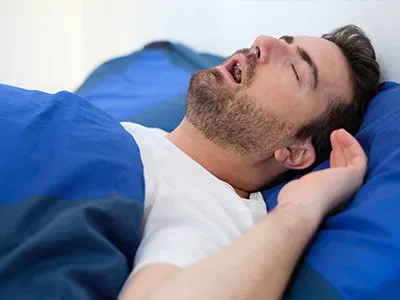
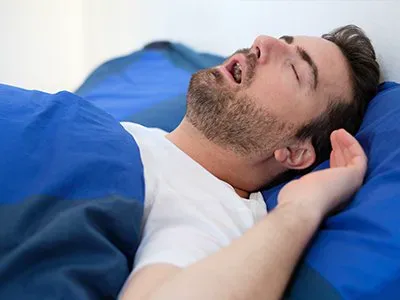
Sleep apnea often goes undiagnosed. Common signs include:
- Loud, chronic snoring
- Gasping or choking during sleep (often reported by a partner)
- Daytime drowsiness despite a full night's sleep
- Morning headaches
- Difficulty concentrating
- Irritability or mood changes
Left untreated, obstructive sleep apnea increases the risk of high blood pressure, heart disease, stroke, type 2 diabetes, and motor vehicle accidents from drowsiness. A sleep study, either in a lab or at home, confirms the diagnosis and determines severity.
How the Process Works
Treatment at BP Smiles follows a clear sequence:
- 1Consultation and records. Dr. Pinhasov reviews your sleep study results, examines your jaw, teeth, and airway, and takes digital impressions.
- 2Appliance design. Using your records, a custom mandibular advancement device is fabricated to fit your teeth precisely and hold your jaw at the optimal forward position.
- 3Fitting and calibration. You'll come in for a fitting appointment where Dr. Pinhasov adjusts the appliance for comfort and proper jaw advancement. Most devices allow incremental adjustment so the position can be fine-tuned over several visits.
- 4Follow-up and monitoring. After you've worn the appliance for several weeks, a follow-up sleep study or home sleep test confirms the device is working. Periodic check-ins make sure the appliance continues to fit well and your bite hasn't shifted.
What to Expect
The first few nights with an oral appliance feel unusual. You may notice increased saliva, mild jaw stiffness in the morning, or a slight change in your bite when you first wake up. These effects typically resolve within one to three weeks as your muscles adapt.
Most patients report noticeably better sleep within the first week. Partners often notice the improvement first because the snoring stops or drops dramatically.
Yes. Clinical research published in the Journal of Clinical Sleep Medicine shows that custom mandibular advancement devices reduce the apnea-hypopnea index (AHI) significantly in patients with mild to moderate OSA. Success rates are highest when the appliance is designed by a provider with advanced training in jaw mechanics, which is where an orthodontist's expertise matters.
Many medical insurance plans cover oral appliance therapy for diagnosed obstructive sleep apnea. Coverage typically requires a confirmed sleep study and, in some cases, documentation that CPAP was tried and not tolerated. Our office verifies your medical insurance benefits before treatment begins so you know your costs upfront.
Most patients adjust within one to three weeks. The first few nights may involve extra saliva production and mild jaw awareness in the morning. These effects fade as the muscles around your jaw adapt. Dr. Pinhasov makes incremental adjustments during follow-up visits to maximize comfort.
An orthodontist is arguably the best-qualified dental professional for this treatment. Orthodontists complete two to three years of specialty training beyond dental school focused on jaw positioning, tooth movement, and facial structure. Dr. Pinhasov uses this training every day, and it directly applies to designing appliances that reposition the jaw safely and effectively.
Good candidates include adults diagnosed with mild to moderate obstructive sleep apnea, patients who snore heavily, and patients who've tried CPAP but can't wear it consistently. Patients with severe OSA may also benefit if CPAP isn't an option. A consultation with Dr. Pinhasov and a review of your sleep study will determine whether oral appliance therapy is right for you.
Our Office
Visit Us Online
YOUR INVISALIGN ORTHODONTIST IN QUEENS,NY
Why Choose Dr. Pinhasov for Sleep Apnea Treatment
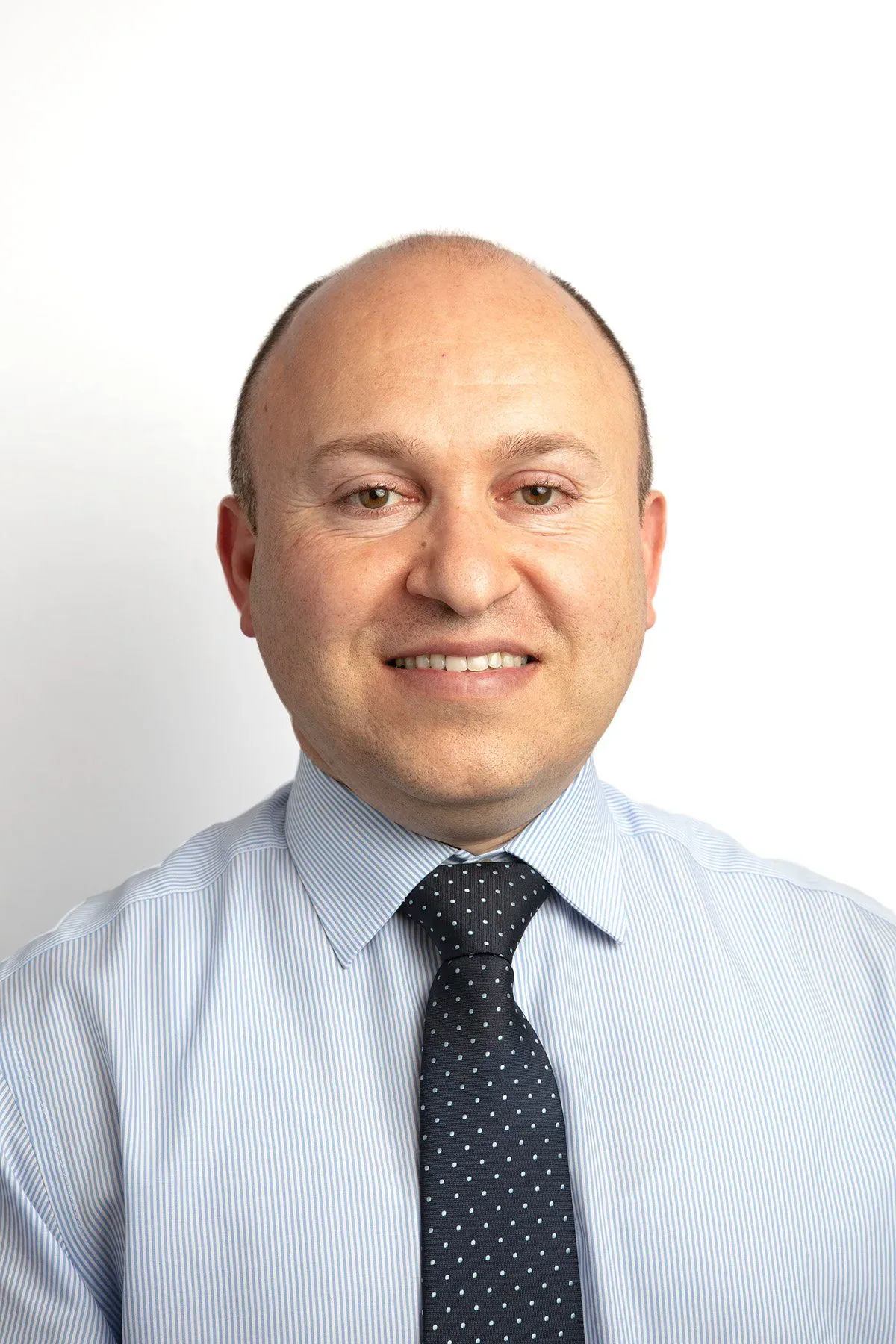
Most dentists who offer sleep appliances take a weekend course and start fitting devices. Dr. Pinhasov's background is different. As an ABO Diplomate, he's spent 15 years studying how the jaw, teeth, and surrounding structures work together. That's the exact knowledge required to design an appliance that moves your jaw into the right position without causing bite problems or TMJ discomfort down the road.
Dr. Pinhasov holds an NYU DDS with honors (Omicron Kappa Upsilon), a Fellowship in the Academy of General Dentistry (FAGD), and an ICOI Fellowship. He reads, writes, and consults in English, Russian, and Spanish, so patients across Queens' diverse communities can discuss their sleep concerns in the language they're most comfortable with.
Board-certified orthodontic care in Queens.
BP Smiles Orthodontics, your orthodontist in Queens, NY.
FAQ
Frequently Asked Questions
Oral appliance therapy (OAT) uses a custom-fabricated device, similar in appearance to a sports mouthguard, that you wear while sleeping. The appliance holds your lower jaw in a slightly forward position. This forward positioning prevents the tongue and soft tissues at the back of the throat from collapsing into the airway, which is the physical event that causes apnea episodes.
Sleep apnea often goes undiagnosed. Common signs include:
Yes. Clinical research published in the Journal of Clinical Sleep Medicine shows that custom mandibular advancement devices reduce the apnea-hypopnea index (AHI) significantly in patients with mild to moderate OSA. Success rates are highest when the appliance is designed by a provider with advanced training in jaw mechanics, which is where an orthodontist's expertise matters.
Many medical insurance plans cover oral appliance therapy for diagnosed obstructive sleep apnea. Coverage typically requires a confirmed sleep study and, in some cases, documentation that CPAP was tried and not tolerated. Our office verifies your medical insurance benefits before treatment begins so you know your costs upfront.
Most patients adjust within one to three weeks. The first few nights may involve extra saliva production and mild jaw awareness in the morning. These effects fade as the muscles around your jaw adapt. Dr. Pinhasov makes incremental adjustments during follow-up visits to maximize comfort.
An orthodontist is arguably the best-qualified dental professional for this treatment. Orthodontists complete two to three years of specialty training beyond dental school focused on jaw positioning, tooth movement, and facial structure. Dr. Pinhasov uses this training every day, and it directly applies to designing appliances that reposition the jaw safely and effectively.
Good candidates include adults diagnosed with mild to moderate obstructive sleep apnea, patients who snore heavily, and patients who've tried CPAP but can't wear it consistently. Patients with severe OSA may also benefit if CPAP isn't an option. A consultation with Dr. Pinhasov and a review of your sleep study will determine whether oral appliance therapy is right for you.