
Orthodontic Services
Early Interceptive Orthodontics in Queens
Dr. Boris Pinhasov at BP Smiles Orthodontics in Queens uses interceptive orthodontics to guide jaw growth, prevent problems, and build confident smiles.


ABO Diplomate

Languages
English · Русский · Español

Free Consultations

Board-Certified Orthodontist
The American Association of Orthodontists recommends every child have an orthodontic evaluation by age 7. That surprises most parents. Seven-year-olds still have baby teeth. But certain problems with jaw growth, tooth eruption, and bite development are easier to correct while a child is still growing. Interceptive orthodontics, also called Phase 1 treatment, addresses these problems early, between ages 7 and 10, before they become more difficult and more expensive to fix later. At BP Smiles Orthodontics, Dr. Boris Pinhasov identifies which children genuinely need early intervention and which are better off waiting.
What Is Interceptive Orthodontics?
Interceptive orthodontics is early-phase treatment designed to guide jaw growth and correct developing problems before all permanent teeth have erupted. It doesn't replace full braces or aligners later. Instead, it reduces the severity of the problem so that Phase 2 treatment (typically in the teen years) is shorter, simpler, or in some cases unnecessary.
Phase 1 treatment targets structural issues that are best corrected while the bones of the face and jaw are still growing. Once growth stops, these problems become fixed, and the only way to address them may be surgery or extensive orthodontic treatment.
What Problems Does Early Treatment Correct?
Crossbites. When the upper jaw is too narrow, the upper teeth bite inside the lower teeth. A palatal expander, worn for several months, widens the upper jaw while the midpalatal suture is still open and responsive. This is far simpler in a growing child than in an adult, where the suture has fused.
Underbites. If the lower jaw is growing faster than the upper jaw, early intervention with a functional appliance or facemask can redirect growth and improve the jaw relationship.
Severe crowding. When there's clearly not enough space for permanent teeth to erupt properly, Phase 1 treatment can create room, either with expansion or selective removal of baby teeth, so that permanent teeth come in better aligned.
Harmful habits. Prolonged thumb sucking, tongue thrust, and mouth breathing can alter jaw development. Habit appliances help break these patterns before permanent changes set in.
Protruding front teeth. Upper front teeth that stick out significantly are vulnerable to trauma, especially for active children. Early partial braces can reduce the protrusion and lower the risk of injury.
Space maintenance. When baby teeth are lost prematurely due to decay or trauma, a space maintainer holds the gap open so the permanent tooth can erupt into its proper position instead of drifting.
How the Process Works
- 1Initial evaluation (age 7). Dr. Pinhasov examines your child's teeth, bite, and jaw development. X-rays show erupting permanent teeth and jaw growth patterns. Many children evaluated at 7 don't need immediate treatment and enter a monitoring program with periodic check-ups.
- 2Phase 1 treatment (if needed, ages 7-10). Depending on the diagnosis, your child may receive a palatal expander, partial braces on the front teeth, a functional appliance, a habit appliance, or a space maintainer. Treatment is targeted and typically lasts 6 to 12 months.
- 3Resting period. After Phase 1, the remaining baby teeth fall out and permanent teeth erupt on their own. Dr. Pinhasov monitors this process with periodic visits, usually every 4 to 6 months.
- 4Phase 2 (teen years, if needed). Once all permanent teeth are in, full braces or aligners may be placed to fine-tune the alignment and bite. Because Phase 1 addressed the structural issue, Phase 2 is typically shorter and less involved.
What to Expect
Phase 1 appliances are adjusted to your child's size, and Dr. Pinhasov takes time to explain how each device works so your child feels comfortable. Appointments are brief and scheduled every 4 to 8 weeks. Children adapt quickly to expanders and appliances, usually within a few days.
Parents should help younger children with appliance hygiene and monitor compliance with instructions, such as turning an expander key or wearing elastics if prescribed.
The American Association of Orthodontists recommends a first visit by age 7. At this age, enough permanent teeth have erupted for Dr. Pinhasov to identify developing problems with the bite, jaw growth, and tooth alignment. Many children evaluated at 7 won't need treatment yet, but the evaluation establishes a baseline and ensures nothing is missed.
Phase 1 treatment corrects crossbites, underbites, severe crowding, protruding front teeth, and problems caused by habits like thumb sucking. It also includes space maintenance when baby teeth are lost early. These are structural issues best addressed while the jaw is still growing and the bones are most responsive to guided correction.
Not necessarily. Many children who come in at age 7 are fine to wait and monitor. Phase 1 is recommended only when there's a clear problem that will worsen without early intervention, such as a crossbite causing the jaw to shift or severe crowding that's blocking permanent teeth from erupting. Dr. Pinhasov won't recommend treatment unless it's genuinely indicated.
Most Phase 1 treatment lasts 6 to 12 months. The goal is focused: correct the specific structural problem and then stop. After Phase 1, your child enters a monitoring period while the remaining permanent teeth come in. This approach keeps active treatment time short and purposeful.
Many children who complete Phase 1 do go on to Phase 2 (full braces or aligners in the teen years) to refine the alignment. However, Phase 2 after successful Phase 1 is typically shorter and less complex than it would have been without early intervention. Some children with mild issues may not need Phase 2 at all.
Our Office
Visit Us Online
YOUR INVISALIGN ORTHODONTIST IN QUEENS,NY
Why Choose Dr. Pinhasov for Early Treatment
Not every child who comes in at age 7 needs Phase 1 treatment. One of the most important things an orthodontist does at an early evaluation is determine who needs intervention now and who should simply be monitored. Dr. Pinhasov's 15 years of clinical experience give him the diagnostic judgment to make that call accurately.
As an ABO Diplomate, Dr. Pinhasov has demonstrated clinical excellence at the highest level of the specialty. His NYU DDS with honors and FAGD credentials reflect training that extends well beyond orthodontics into general dentistry and oral health. He consults with families in English, Russian, and Spanish, making sure parents fully understand the diagnosis, the reasoning behind the recommended treatment, and what to expect.
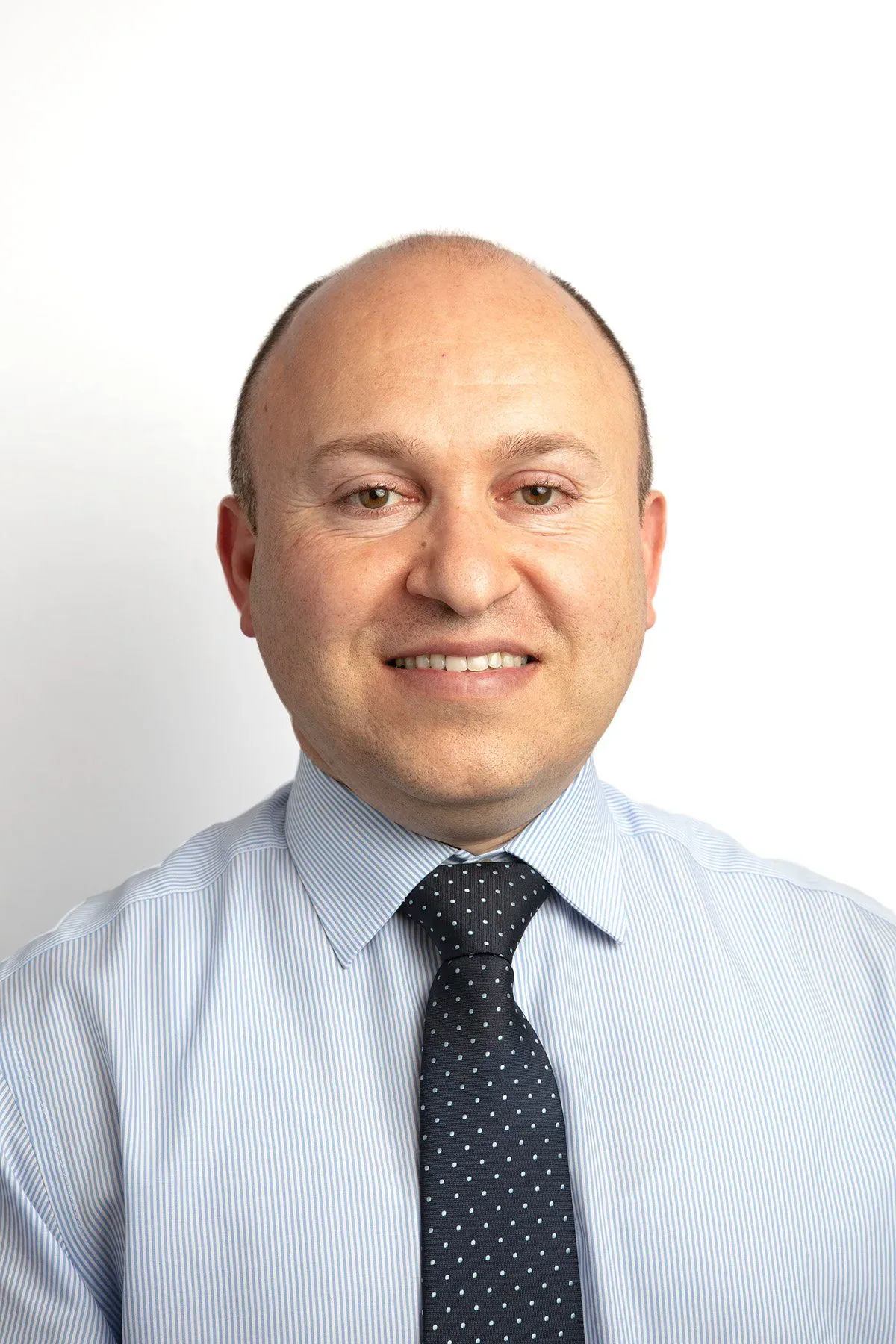
Board-certified orthodontic care in Queens.
BP Smiles Orthodontics, your orthodontist in Queens, NY.
FAQ
Frequently Asked Questions
Interceptive orthodontics is early-phase treatment designed to guide jaw growth and correct developing problems before all permanent teeth have erupted. It doesn't replace full braces or aligners later. Instead, it reduces the severity of the problem so that Phase 2 treatment (typically in the teen years) is shorter, simpler, or in some cases unnecessary.
Crossbites. When the upper jaw is too narrow, the upper teeth bite inside the lower teeth. A palatal expander, worn for several months, widens the upper jaw while the midpalatal suture is still open and responsive. This is far simpler in a growing child than in an adult, where the suture has fused.
The American Association of Orthodontists recommends a first visit by age 7. At this age, enough permanent teeth have erupted for Dr. Pinhasov to identify developing problems with the bite, jaw growth, and tooth alignment. Many children evaluated at 7 won't need treatment yet, but the evaluation establishes a baseline and ensures nothing is missed.
Phase 1 treatment corrects crossbites, underbites, severe crowding, protruding front teeth, and problems caused by habits like thumb sucking. It also includes space maintenance when baby teeth are lost early. These are structural issues best addressed while the jaw is still growing and the bones are most responsive to guided correction.
Not necessarily. Many children who come in at age 7 are fine to wait and monitor. Phase 1 is recommended only when there's a clear problem that will worsen without early intervention, such as a crossbite causing the jaw to shift or severe crowding that's blocking permanent teeth from erupting. Dr. Pinhasov won't recommend treatment unless it's genuinely indicated.
Most Phase 1 treatment lasts 6 to 12 months. The goal is focused: correct the specific structural problem and then stop. After Phase 1, your child enters a monitoring period while the remaining permanent teeth come in. This approach keeps active treatment time short and purposeful.
Many children who complete Phase 1 do go on to Phase 2 (full braces or aligners in the teen years) to refine the alignment. However, Phase 2 after successful Phase 1 is typically shorter and less complex than it would have been without early intervention. Some children with mild issues may not need Phase 2 at all.