
Orthodontic Blog
Can Invisalign Cause Headaches? Here's What You Need to Know
Yes, Invisalign can cause mild headaches in the first 2 to 3 days. Dr. Boris Pinhasov, Board-Certified Orthodontist in Queens NY, on causes, braces too, and prevention.
- Dr. Boris Pinhasov, DDS
- October 26, 2024
- 5:02 am
Medically reviewed by Dr. Boris Pinhasov, DDS, American Board of Orthodontics Diplomate | 15 Years of Experience | Last Updated: March 2026
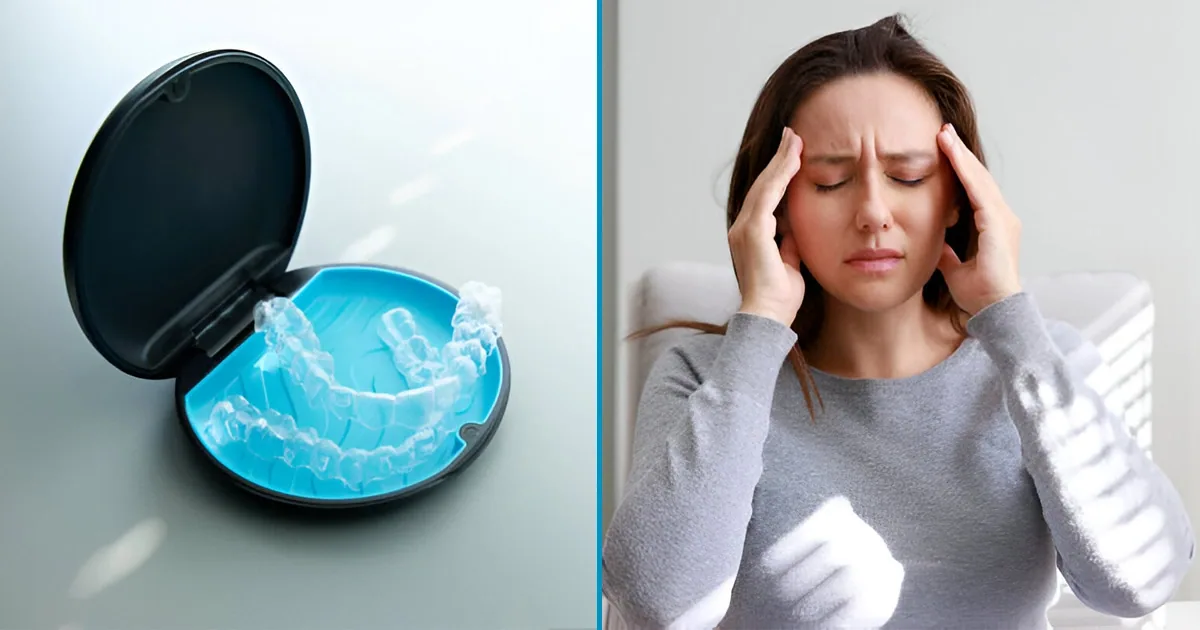
Yes, Invisalign can cause mild headaches in the first few days of each new tray, but the pain is usually short-lived and manageable. The pressure on your teeth from the new aligner can radiate to surrounding muscles, jaw, and head, especially for patients prone to TMJ tension or clenching. Most headaches resolve in 2 to 3 days as your jaw adapts. With expert insight from Dr. Boris Pinhasov, Board-Certified Orthodontist and ABO Diplomate at BP Smiles Orthodontics in Queens, NY, here is why Invisalign headaches happen, how to manage them, and whether braces cause the same.
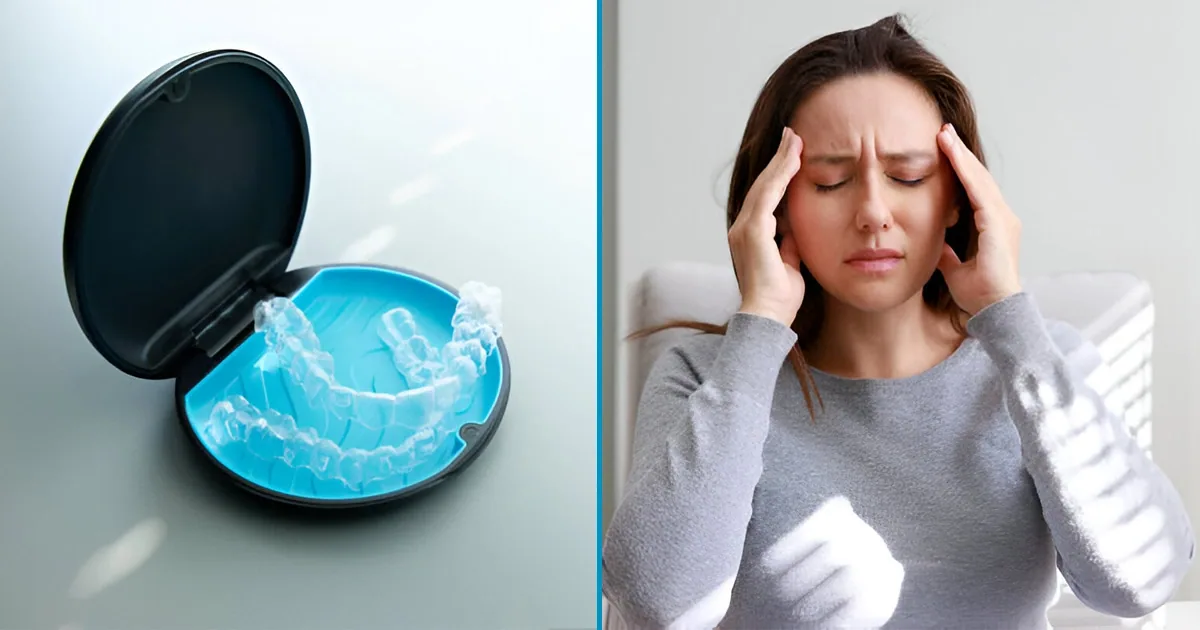
Invisalign is a popular orthodontic treatment for individuals seeking to straighten their teeth in a discreet and comfortable way. It uses a series of clear, custom-made trays that gradually shift teeth into proper alignment.
But can Invisalign cause headaches? Dr. Boris Pinhasov from BP Smiles explains, “Invisalign, like other orthodontic treatments, applies pressure to the teeth, which can cause discomfort.”
If you’re considering Invisalign to correct misaligned teeth, BP Smiles provides top-quality services in Oakland Gardens, Queens, NY.
Can Invisalign Cause Headaches?
While most patients adjust to Invisalign smoothly, a small number may experience mild headaches as their teeth begin to shift. This temporary discomfort is a common part of the adjustment process.
Staying hydrated and, if necessary, using over-the-counter pain relievers as advised by your orthodontist can help manage mild headaches. Adhering to your orthodontist's guidance on when and how long to wear your Invisalign trays can make the adjustment smoother.
Why Some Patients May Experience Temporary Headaches with Invisalign?
Adjustment to New Pressure on Teeth
As Invisalign gradually moves your teeth into alignment, the gentle pressure it applies can occasionally cause mild, temporary headaches. This is a normal part of the adjustment process and usually subsides as your mouth gets used to the treatment.
TMJ (Temporomandibular Joint) Concerns
For patients with pre-existing TMJ disorders, Invisalign may occasionally increase jaw tension, which can sometimes lead to temporary headaches. It's important to discuss any concerns with your orthodontist to make sure treatment remains comfortable.
Clenching or Grinding
While adjusting to Invisalign, some patients may clench or grind their teeth without realizing it, leading to muscle tension in the jaw that can cause mild headaches.
Can Braces Cause Headaches?
Yes, traditional braces can cause headaches in the same way Invisalign can, and sometimes more intensely after monthly adjustments. The mechanism is similar: orthodontic force creates pressure that radiates through the periodontal ligament, jaw muscles, and surrounding nerves. Common causes:
- After adjustment appointments: when wires are tightened or new wires placed, expect 24 to 72 hours of mild to moderate headaches in the temple, jaw, or behind the ears.
- Bite changes: as teeth move, your bite shifts. Even small bite changes can put new pressure on the temporomandibular joint (TMJ), which refers pain to the head.
- Bracket and wire irritation: sharp wires or loose brackets can cause cheek and tongue irritation that triggers tension headaches.
- Sleep clenching response: the body sometimes responds to braces by increasing nighttime clenching, leading to morning headaches.
If headaches from braces last more than a week after an adjustment or are severe, contact your orthodontist. The wire tension may need to be reduced. Persistent severe pain in one specific tooth could also indicate a root canal need, separate from braces-related headaches.
Ways to Manage or Prevent Invisalign-Related Headaches
- Gradual Adjustment
To ease the transition to Invisalign, consider using over-the-counter pain relievers if needed, and stick to the recommended wear schedule. This helps your teeth adjust at a comfortable pace.
- Use Cold Compress for Relief
Applying a cold compress to the jaw area for 10-15 minutes as needed can help relieve tension and discomfort caused by Invisalign’s pressure. This can also reduce any associated headaches.
- Jaw Exercises
Gentle jaw exercises recommended by your orthodontist can help alleviate muscle tension in the jaw, preventing headaches that may occur due to clenching or grinding while wearing Invisalign.
- Sleeping Position
Sleeping on your back with proper neck support can help reduce muscle tension in the head and jaw area, which may help prevent headaches while using Invisalign.
- Contact Your Orthodontist
If your headaches persist beyond the first few days, contact your orthodontist. Also, be aware of symptoms like jaw pain, teeth grinding, or discomfort in your jaw joint.
Overall, Invisalign is designed to straighten your teeth while ensuring your comfort throughout the process. Staying in regular contact with your orthodontist can quickly address any concerns, ensuring your treatment proceeds smoothly and provides the outcomes you desire.
YOUR INVISALIGN ORTHODONTIST IN QUEENS,NY
Get Invisalign Headache Relief in Queens, NY With Dr. Boris Pinhasov
At BP Smiles NY, we take pride in offering exceptional orthodontic care to the communities of Oakland Gardens and Flushing in Queens, NY. Our experienced team is focused on helping you achieve a beautiful, confident smile using the latest techniques and advanced technology in our modern office. Schedule your consultation today and take the first step toward a healthier, more aligned smile.
Can Invisalign cause headaches?
Yes, mild headaches are common in the first 2 to 3 days of each new aligner tray. The pressure on your teeth radiates to the jaw and surrounding muscles. Most headaches resolve as the jaw adapts. If headaches persist beyond a week or are severe, contact your orthodontist.
Can braces cause headaches?
Yes. Traditional braces can cause headaches especially after monthly adjustments when wires are tightened. Expect 24 to 72 hours of mild to moderate head, jaw, or temple pressure. Contact your orthodontist if headaches last more than a week or are severe.
Can Invisalign or braces cause migraines?
For patients with a history of migraines, orthodontic pressure can be a trigger, especially in the first week of treatment or after adjustments. Discuss any pre-existing migraine condition with your orthodontist before starting treatment so adjustments can be made gentler if needed.
How long do Invisalign headaches last?
2 to 3 days per new aligner for most patients, gradually decreasing with each tray as your jaw adapts. After the first 2 to 3 trays, most patients no longer notice headaches when switching aligners. Severe or persistent headaches beyond a week warrant contacting your orthodontist.
How can I prevent headaches from Invisalign?
Switch to new aligners at night so the worst pressure happens during sleep. Stay hydrated. Use over-the-counter pain relievers (ibuprofen) for the first 24 to 48 hours after switching. Apply a warm compress to your jaw. Never change trays sooner than your orthodontist prescribed, that increases pressure and headache risk.
Where can I get Invisalign headache evaluation in Queens, NY?
BP Smiles Orthodontics in Queens, NY evaluates Invisalign-related headaches and adjusts treatment plans accordingly. Dr. Boris Pinhasov is a Board-Certified Orthodontist, ABO Diplomate,, with 15 years of experience. Call 718-290-9444 or schedule your Queens, NY consult.
Q: Can I eat or drink while wearing Invisalign?
You should remove your aligners before eating or drinking anything other than water. This helps prevent staining and damage to the aligners. Always brush your teeth before putting the aligners back in after meals.
Q: Is Invisalign suitable for everyone?
Invisalign is a great option for people with orthodontic issues like crowding, spacing, and mild to moderate bite problems.
Q: Is it common to experience headaches with Invisalign?
No, not all patients will experience headaches while using Invisalign. Reactions can vary based on individual sensitivity and dental conditions.
Medically reviewed by Dr. Boris Pinhasov, Board-Certified Orthodontist.
This content is for educational purposes only and is not intended as medical advice, diagnosis, or treatment. Please consult a qualified healthcare provider for personalized recommendations.

Ready to Start Your Smile Journey?
Schedule a free consultation with Dr. Boris Pinhasov in Queens.
FAQ
Frequently Asked Questions
Yes, mild headaches are common in the first 2 to 3 days of each new aligner tray. The pressure on your teeth radiates to the jaw and surrounding muscles. Most headaches resolve as the jaw adapts. If headaches persist beyond a week or are severe, contact your orthodontist.
Yes. Traditional braces can cause headaches especially after monthly adjustments when wires are tightened. Expect 24 to 72 hours of mild to moderate head, jaw, or temple pressure. Contact your orthodontist if headaches last more than a week or are severe.
For patients with a history of migraines, orthodontic pressure can be a trigger, especially in the first week of treatment or after adjustments. Discuss any pre-existing migraine condition with your orthodontist before starting treatment so adjustments can be made gentler if needed.
2 to 3 days per new aligner for most patients, gradually decreasing with each tray as your jaw adapts. After the first 2 to 3 trays, most patients no longer notice headaches when switching aligners. Severe or persistent headaches beyond a week warrant contacting your orthodontist.
Switch to new aligners at night so the worst pressure happens during sleep. Stay hydrated. Use over-the-counter pain relievers (ibuprofen) for the first 24 to 48 hours after switching. Apply a warm compress to your jaw. Never change trays sooner than your orthodontist prescribed, that increases pressure and headache risk.
BP Smiles Orthodontics in Queens, NY evaluates Invisalign-related headaches and adjusts treatment plans accordingly. Dr. Boris Pinhasov is a Board-Certified Orthodontist, ABO Diplomate,, with 15 years of experience. Call 718-290-9444 or schedule your Queens, NY consult.
Keep Reading