
Medically reviewed by Dr. Boris Pinhasov, DDS – American Board of Orthodontics Diplomate | 20+ Years Experience | Last Updated: March 2026
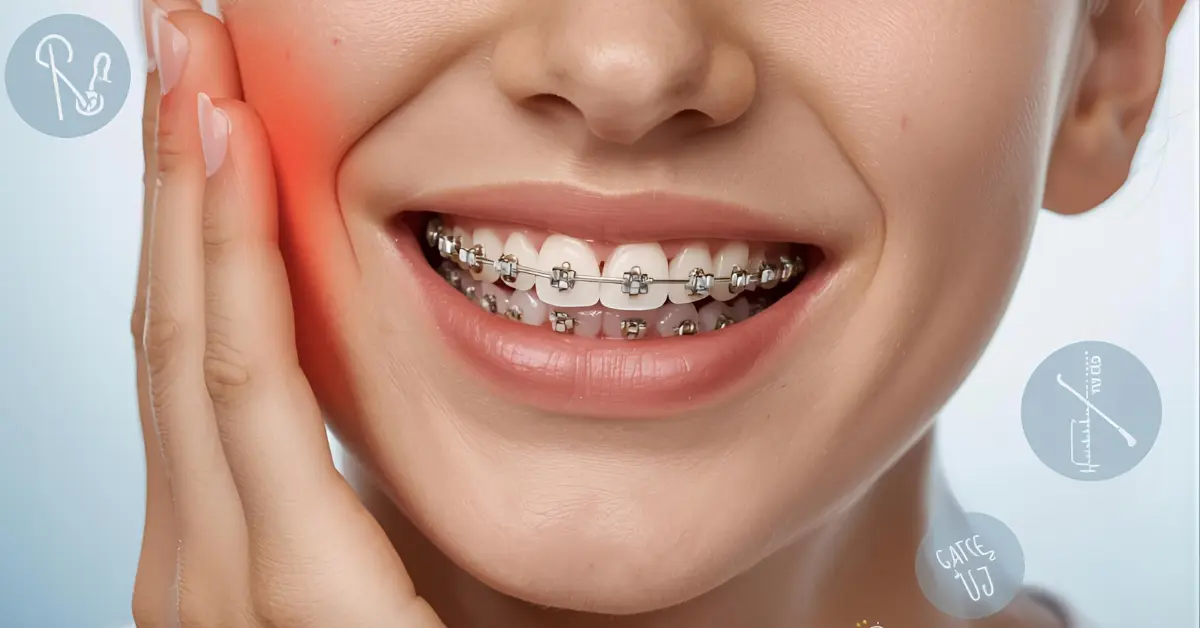
Getting braces put on does not hurt. The process of bonding brackets to your teeth is completely painless with no needles or drilling involved. However, you will feel soreness and pressure for 3 to 5 days after your braces are placed and for 1 to 3 days after each adjustment appointment. This discomfort is normal, temporary, and easy to manage with over-the-counter pain relief and soft foods.
Understanding what to expect helps reduce anxiety about orthodontic treatment. Whether you are a parent considering braces for your child or a teen nervous about getting braces, this guide explains exactly when braces hurt, why it happens, and what you can do about it.
Does It Hurt to Get Braces Put On?
No, getting braces put on does not hurt. The appointment takes about one to two hours, and you will not feel pain during the process.
Your orthodontist starts by cleaning and drying your teeth. Then a special adhesive is applied to attach the brackets to each tooth. The archwire is threaded through the brackets and secured with small rubber bands called ligatures. None of these steps cause pain because nothing is cutting, drilling, or puncturing your gums or teeth.
Some patients feel slight pressure as the wire is placed, but this is not painful. Most patients describe the experience as “uncomfortable” rather than “painful.” You might feel like something foreign is in your mouth, which takes some getting used to, but actual pain during the appointment is rare.
The real discomfort begins a few hours after your appointment when your teeth start responding to the pressure from the braces.
Why Do Braces Hurt After They Are Placed?
Braces work by applying constant, gentle pressure to your teeth. This pressure causes your teeth to slowly move through the bone in your jaw. The process involves breaking down bone on one side of the tooth and building new bone on the other side.
This bone remodeling process is what causes soreness. Your teeth and the ligaments around them are adjusting to the new pressure. It is similar to the muscle soreness you feel after exercising for the first time in a while. Your body is adapting to something new.
The pressure is most intense right after your braces are placed and right after adjustment appointments when a new, tighter wire is installed. As your teeth begin to move and adjust, the pressure decreases and the soreness fades.
How Long Does Braces Pain Last?
Most patients experience soreness for 3 to 5 days after getting braces. After that initial period, your mouth adjusts and the discomfort goes away.
After each adjustment appointment, you may feel sore again for 1 to 3 days. Adjustment appointments happen every 4 to 6 weeks throughout your treatment. Each time your orthodontist tightens the wire or moves to a new wire, your teeth feel pressure again as they continue moving.
Here is a typical timeline of braces discomfort:
- Day 1 (Braces Placement): Little to no pain during the appointment. Mild soreness may begin a few hours later.
- Days 2 to 3: Peak soreness. Teeth feel tender when biting or chewing. This is when most patients want pain relief.
- Days 4 to 5: Soreness begins to fade. Eating becomes easier.
- Day 6 and Beyond: Most patients feel normal. Occasional sensitivity may occur but daily discomfort is gone.
After Adjustments: Similar pattern but usually shorter duration. Most patients feel sore for 1 to 3 days.
How to Stop Braces Pain Immediately
Several home remedies can help you manage braces discomfort quickly and effectively.
Over-the-Counter Pain Relievers like ibuprofen (Advil, Motrin) or acetaminophen (Tylenol) work well for braces pain. Take them according to package directions. Some orthodontists recommend taking a dose before your adjustment appointment to get ahead of the soreness.
Cold Water and Ice can help numb sore teeth and reduce inflammation. Drink cold water throughout the day or suck on ice chips. Avoid ice cream and milkshakes if you want cold relief without the sugar.
Soft Foods reduce the pressure on your teeth when eating. During the first few days, stick to foods like yogurt, mashed potatoes, soup, scrambled eggs, smoothies, pasta, and soft bread. Avoid anything hard, crunchy, or chewy until the soreness passes.
Orthodontic Wax helps when brackets or wires irritate your cheeks, lips, or tongue. Roll a small piece of wax into a ball and press it over the bracket or wire causing irritation. The wax creates a smooth barrier between your braces and soft tissues.
Salt Water Rinse can soothe irritated gums and any small sores in your mouth. Mix half a teaspoon of salt in a glass of warm water and rinse gently for 30 seconds. Repeat several times a day as needed.
Oral Anesthetics like Orajel can numb specific sore spots. Apply a small amount directly to your gums around the teeth that hurt most.
Do Braces Hurt More for Kids or Adults?
Pain perception varies from person to person regardless of age, but there are some differences between how children and adults experience braces discomfort.
Children and teenagers often adapt more quickly to braces. Their mouths are still growing and their tissues are more flexible. Many parents report that their kids complain about soreness for a day or two and then forget about it.
Adults may experience slightly more discomfort, especially in the first week. Adult teeth have been in position longer, and the surrounding bone is denser. Moving adult teeth requires the same biological process, but some adults feel the pressure more intensely.
That said, most adults tolerate braces well. The discomfort is temporary and manageable at any age. Many adult patients at BP Smiles say the soreness was less than they expected.
The most important factor is not age but individual pain tolerance. Some people are naturally more sensitive to pressure than others. If you have a low pain tolerance, plan to use pain relief strategies during the first week and after adjustments.
What Hurts More: Braces or Invisalign?
Both braces and Invisalign cause some discomfort because both work by applying pressure to move teeth. However, there are differences in how that discomfort feels.
Braces cause soreness from the constant pressure of the wire on your teeth. The brackets and wires can also irritate your cheeks, lips, and tongue, especially in the first few weeks before your mouth toughens up. Orthodontic wax helps with this irritation.
Invisalign causes pressure when you switch to a new set of aligners, typically every one to two weeks. Each new aligner feels tight for a day or two as it pushes your teeth toward their next position. However, Invisalign has no brackets or wires to irritate soft tissues.
Many patients say Invisalign feels like “pressure” while braces feel like “soreness.” Neither is extremely painful, and both are manageable.
If pain sensitivity is a major concern for you, discuss both options with your orthodontist. At BP Smiles, Dr. Boris Pinhasov can recommend the treatment that best fits your comfort preferences and orthodontic needs.
When to Call Your Orthodontist About Pain
Normal braces soreness goes away within a few days. But some situations require a call to your orthodontist.
Contact your orthodontist if:
A wire is poking your cheek, tongue, or gums and orthodontic wax does not help. Your orthodontist can clip or adjust the wire.
A bracket has come loose or fallen off. Loose brackets need to be reattached to keep treatment on track.
You have severe pain that does not improve with over-the-counter pain relievers. This is rare but should be evaluated.
You notice signs of infection such as swelling, pus, fever, or pain that gets worse instead of better.
A sore in your mouth does not heal within two weeks.
Pain persists beyond one week after getting braces or beyond a few days after an adjustment.
At BP Smiles, patients can always call the office with concerns. Dr. Boris and the team respond quickly to help resolve any issues and keep you comfortable throughout treatment.
Why BP Smiles Makes Braces Comfortable
At BP Smiles Orthodontics, patient comfort is a top priority. Dr. Boris Pinhasov has 20 years of experience helping patients of all ages achieve beautiful smiles with minimal discomfort.
“Everyone deserves our best, all the time,” says Dr. Boris Pinhasov. “We take extra care to make sure our patients feel comfortable from their first visit through their last adjustment.”
Dr. Boris is a board-certified orthodontist and a Diplomate of the American Board of Orthodontics, a distinction fewer than one in three orthodontists achieve. He uses modern, low-profile brackets that are smaller and more comfortable than older designs. Digital 3D scans eliminate the need for uncomfortable traditional impressions.
Patients consistently praise the gentle approach at BP Smiles. With over 170 five-star Google reviews, families throughout Queens trust Dr. Boris for friendly service and excellent results. Parents appreciate how the team makes children feel safe and comfortable, turning orthodontic visits into positive experiences.
Located at 208-09 Union Turnpike in Flushing, BP Smiles serves families from Bayside, Fresh Meadows, Jamaica, and throughout Queens. Evening and Sunday appointments are available to fit your busy schedule.
Schedule your free consultation today to learn more about braces and what to expect during treatment.
Frequently Asked Questions
Do braces hurt when you eat?
You may feel tenderness when biting and chewing during the first few days after getting braces and after adjustments. Stick to soft foods during these times. Once the soreness passes, eating feels normal again.
Do tightening appointments hurt?
Adjustment appointments themselves are quick and painless. However, you may feel soreness for 1 to 3 days afterward as your teeth respond to the new wire tension.
Does getting braces off hurt?
No, getting braces removed does not hurt. Your orthodontist uses a special tool to gently pop the brackets off your teeth. You may feel slight pressure, but the process is painless and takes only a few minutes.
How can I prepare for braces pain?
Stock up on soft foods before your appointment. Have over-the-counter pain relievers ready at home. Take a dose before your appointment if your orthodontist recommends it. Keep orthodontic wax on hand for irritation.
Do braces hurt more than fillings or other dental work?
Getting braces is less painful than most dental procedures. There are no needles, no drilling, and no anesthesia required. The soreness you feel afterward is more like muscle ache than sharp dental pain.
Disclaimer
Medically reviewed by Dr. Boris Pinhasov, Board-Certified Orthodontist.
This content is for educational purposes only and is not intended as medical advice, diagnosis, or treatment. Please consult a qualified healthcare provider for personalized recommendations.
