
Medically reviewed by Dr. Boris Pinhasov, DDS – American Board of Orthodontics Diplomate | 20+ Years Experience | Last Updated: March 2026
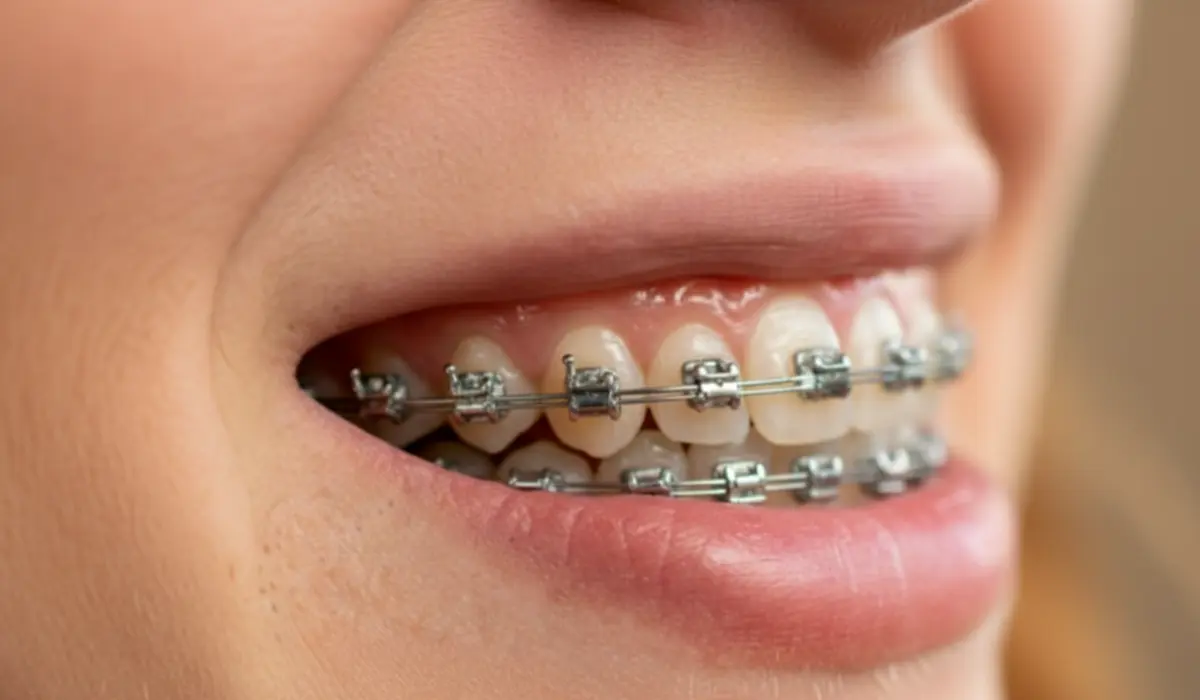
Yes, you can get braces if you have fillings. Dental fillings are extremely common and almost never prevent orthodontic treatment. Whether you have one filling or several, your orthodontist can work around them to straighten your teeth safely and effectively.
Many people worry that existing dental work might disqualify them from braces. The good news is that fillings, which most adults have, are fully compatible with both traditional braces and clear aligners. Your orthodontist will simply evaluate your fillings during your consultation to ensure they are stable before beginning treatment.
Do Fillings Affect Orthodontic Treatment?
Fillings have minimal impact on orthodontic treatment. In most cases, braces work exactly the same way whether you have fillings or not.
Why fillings are not a problem?
Brackets attach to tooth enamel, not to fillings. Even if a filling is on the front surface of a tooth, orthodontists can work around it or bond brackets to the natural tooth structure nearby. Fillings do not change how teeth respond to orthodontic pressure. The force that moves teeth acts on the root and surrounding bone, not on the filling material. Modern filling materials are durable and stable during treatment.
When your orthodontist may have concerns?
Very large fillings that have weakened a tooth. Old fillings that show signs of wear, cracks, or leakage. Fillings with decay developing around them. Temporary fillings that need to be replaced with permanent ones.
In these cases, your orthodontist may recommend having your dentist repair or replace the filling before starting braces. This ensures the tooth is healthy and stable throughout treatment.
Braces With Front Teeth Fillings
If you have fillings on your front teeth, you may wonder if brackets can be attached properly. The answer is yes, but your orthodontist may need to make minor adjustments.
How brackets work with front tooth fillings:
Small fillings on the sides or back of front teeth do not interfere with bracket placement at all. If a filling is on the front surface where a bracket would go, your orthodontist can position the bracket slightly to bond to natural enamel instead. In some cases, orthodontists use special adhesives designed to bond to both enamel and filling materials. Clear aligners are an excellent alternative if bracket placement on front teeth is challenging.
Cosmetic considerations:
If your front tooth fillings are older and discolored, you may want to have them replaced after orthodontic treatment. Once your teeth are straight, your dentist can place new fillings that match your improved smile perfectly.
Braces With Back Teeth Fillings
Fillings on back teeth (molars and premolars) rarely cause any issues with braces. These teeth often have brackets and bands attached, and fillings do not interfere with this process.
Common scenarios:
Small to medium fillings on chewing surfaces do not affect treatment. Fillings on the sides of back teeth do not interfere with bracket placement. Teeth with large fillings can still have brackets bonded successfully. Molars with fillings can receive orthodontic bands that wrap around the tooth.
Back teeth do most of the heavy lifting during orthodontic treatment, as they anchor the forces that move other teeth. Having fillings on these teeth does not reduce their effectiveness as anchors.
How Long After a Filling Can You Get Braces?
If you need a new filling before starting braces, your dentist will advise you on timing. In most cases, you do not need to wait long.
Typical waiting periods:
- Composite (tooth-colored) fillings: You can typically proceed with braces within 24 to 48 hours after the filling is placed and fully hardened.
- Amalgam (silver) fillings: These take longer to fully set. Waiting 24 to 48 hours is usually sufficient, but some dentists recommend waiting up to a week.
Coordination between your dentist and orthodontist:
If you know you are planning to get braces, let your dentist know when you have fillings done. They can ensure the filling is placed and finished in a way that will not interfere with future bracket placement.
If you discover you need a filling during orthodontic treatment, your orthodontist can temporarily remove the bracket on that tooth, allow your dentist to place the filling, and then rebond the bracket once the filling has set.
What If You Need a Filling During Braces Treatment?
Getting a filling while wearing braces is completely possible and fairly common. Orthodontic treatment typically lasts 12 to 24 months, and dental needs can arise during that time.
How it works:
Your orthodontist will remove the bracket from the tooth that needs treatment. Your dentist will place the filling as they normally would. Your orthodontist will rebond the bracket after the filling has cured. Treatment continues as planned.
Preventing cavities during braces:
Braces make thorough brushing more challenging, which can increase cavity risk if oral hygiene is neglected. To reduce your chances of needing fillings during treatment, brush after every meal, use a fluoride rinse, floss daily with floss threaders or a water flosser, and attend regular dental cleanings every 3 to 6 months.
Good oral hygiene during braces protects both your existing fillings and prevents new cavities from forming.
Braces With Root Canals and Crowns
While this blog focuses on fillings, many patients also wonder about other dental work. Here is a quick overview:
- Teeth with root canals:
Yes, you can have braces on teeth that have had root canal treatment. These teeth can still be moved orthodontically, though they may respond slightly differently than teeth with living pulp. Your orthodontist will monitor them carefully.
- Teeth with crowns:
Yes, braces can work with crowned teeth. Brackets can be bonded to crowns using special adhesives, or your orthodontist may recommend clear aligners if you have multiple crowns. If the crown is old or needs replacement, it is often better to complete orthodontic treatment first, then have a new crown made to fit your straightened smile.
- Teeth with veneers:
Yes, but extra care is needed. Veneers are thin and can be damaged by bracket removal. Many orthodontists recommend clear aligners for patients with veneers on their front teeth.
If you have extensive dental work, discuss all of it with your orthodontist during your consultation. They will create a treatment plan that accounts for your specific situation.
Your Orthodontist Works With Your Dentist
Orthodontic treatment is most successful when your orthodontist and dentist work together. Before starting braces, your orthodontist may recommend a dental checkup to ensure all fillings are in good condition.
What your orthodontist needs to know:
Which teeth have fillings and where they are located. Whether any fillings are old, worn, or need replacement. If you have any teeth with root canals or crowns. Any planned dental work that should be completed before braces.
What your dentist should know:
That you are planning orthodontic treatment. Which teeth will have brackets attached. When brackets are being removed for dental appointments. How to coordinate care during treatment.
This teamwork ensures your teeth stay healthy throughout orthodontic treatment and that your final results are both straight and cavity-free.
Expert Orthodontic Care at BP Smiles
At BP Smiles Orthodontics, Dr. Boris Pinhasov welcomes patients with all types of dental work, including fillings, crowns, and root canals. He creates customized treatment plans that account for your existing dental restorations.
“Everyone deserves our best, all the time,” says Dr. Boris Pinhasov. “Having fillings does not prevent you from achieving a beautiful, straight smile. We work with your dentist to ensure your teeth are healthy before, during, and after orthodontic treatment.”
Dr. Boris is a board-certified orthodontist and a Diplomate of the American Board of Orthodontics with 20 years of experience. He uses digital 3D scanning technology to precisely plan bracket placement around existing dental work.
BP Smiles has earned over 170 five-star Google reviews from Queens families who appreciate the thorough, personalized approach to care. Located at 208-09 Union Turnpike in Flushing, the practice offers free consultations where you can discuss your dental history and learn about your treatment options.
Evening and Sunday appointments are available to fit your schedule. Contact BP Smiles today to find out how braces can work for you, fillings and all.
Frequently Asked Questions
Will braces damage my fillings?
No, braces will not damage healthy fillings. Brackets are bonded to tooth enamel, not to filling material. As long as your fillings are stable and properly sealed, they will remain intact throughout orthodontic treatment.
Can I get Invisalign if I have fillings?
Yes, Invisalign works perfectly well for patients with fillings. Since aligners fit over your teeth without attaching directly to them, fillings are not an issue at all.
Should I get cavities filled before or after braces?
Before braces is usually better. Starting orthodontic treatment with healthy teeth reduces the risk of complications. If a cavity develops during treatment, your orthodontist can remove the bracket temporarily so your dentist can place the filling.
Do I need to tell my orthodontist about my fillings?
Yes, let your orthodontist know about all your dental work during your consultation. They will examine your teeth and may request dental records or X-rays to see the full picture.
Can braces cause fillings to fall out?
This is very rare. Fillings that fall out during braces treatment usually do so because they were already weakened or failing. If a filling does come loose, your dentist can replace it, and treatment can continue.
Disclaimer
Medically reviewed by Dr. Boris Pinhasov, Board-Certified Orthodontist.
This content is for educational purposes only and is not intended as medical advice, diagnosis, or treatment. Please consult a qualified healthcare provider for personalized recommendations.
