
Orthodontic Blog
Can You Get Braces If You Have a Crown? Yes, and Here's How It Works
Yes, you can get braces if you have a dental crown. Here is how brackets bond to porcelain, metal, and zirconia crowns, and when Invisalign is the safer choice.
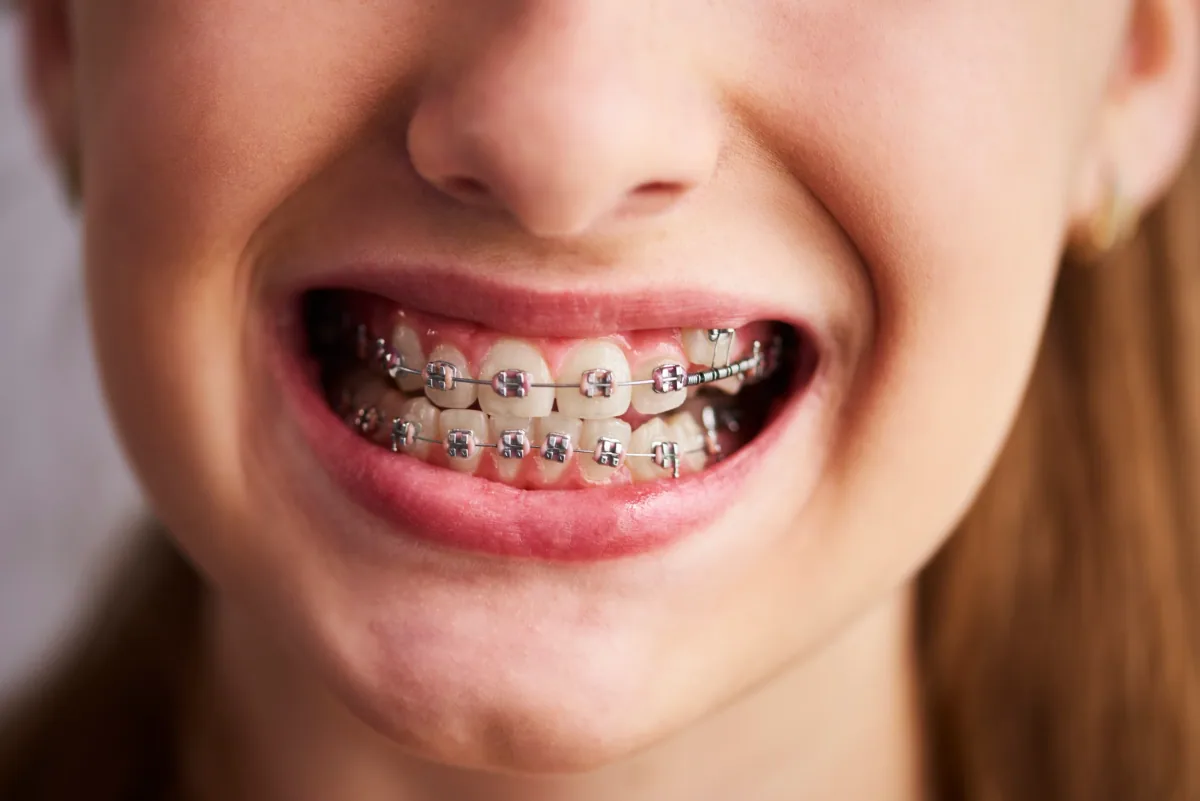
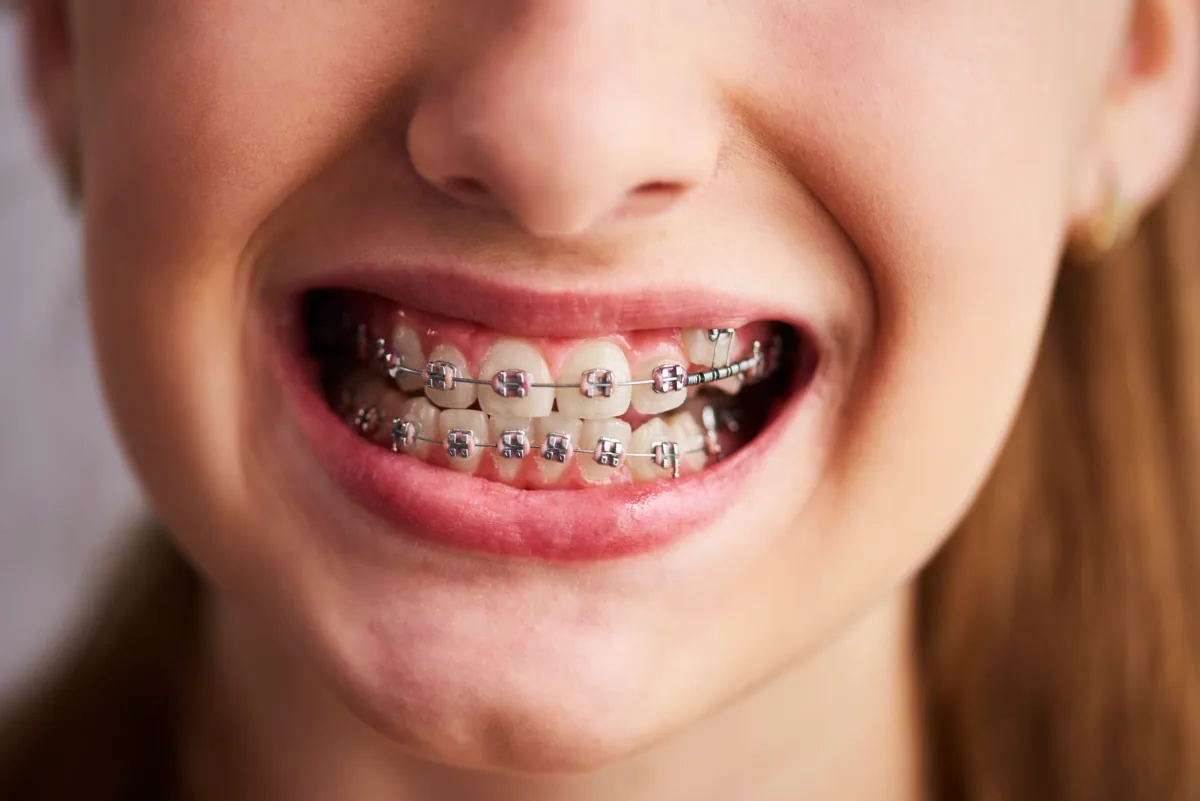
- Dr. Boris Pinhasov, DDS
- April 28, 2025
- 7:07 am
Medically reviewed by Dr. Boris Pinhasov, DDS, American Board of Orthodontics Diplomate | Last Updated: September 2026
Yes, you can get braces if you have a dental crown. Orthodontists treat patients with crowns all the time. The bracket bonds to the crown with a specialty cement made for porcelain or ceramic, and the tooth still moves because the movement comes from the root under the gum, not the crown on top. One crown or several, front teeth or back, braces stay on the table. In some cases Invisalign is the smarter choice, and this page explains when.
Dr. Boris Pinhasov, a Board-Certified Orthodontist and ABO Diplomate at BP Smiles Orthodontics in Queens, NY, puts it plainly.
Yes, we have special materials that allow us to cement braces onto crowns and veneers, so it's definitely possible.
— Dr. Boris Pinhasov, DDS
A Bracket Bonds to the Crown, but Your Tooth Moves From the Root
A crown covers only the visible part of a tooth. Underneath sits your natural root, held in bone by the periodontal ligament. Braces work by applying light, steady pressure that remodels that bone so the root, and everything above it, drifts into place. Because the force acts on the root system and not the crown surface, a crowned tooth moves the same way a natural tooth does.
There is one exception. If the "crown" is actually the top of a dental implant, it has no root in the ligament and will not move. In that situation an orthodontist shifts the neighboring teeth around the fixed implant instead.
Your Crown Material Decides How the Bracket Bonds
Standard bracket adhesive grips natural enamel well. Crown surfaces are smoother and less porous, so the bonding method changes with the material. Ask your dentist what your crown is made of before treatment starts. Here is how the four common types behave.
- Porcelain or all-ceramic: the surface is micro-etched, treated with a porcelain primer and silane, then bonded with a light-cured resin made for porcelain. It can chip if force is heavy at removal, though a gentle debonding technique lowers that risk.
- Metal, gold or stainless steel: the surface is roughened and primed for a strong hold and accepts brackets easily. Removal risk is very low, since metal will not chip or crack.
- Porcelain-fused-to-metal (PFM): the bracket bonds to the porcelain outer layer like an all-ceramic crown, with the metal base adding stability. There is a small chance the porcelain layer chips and exposes the metal base.
- Zirconia: this surface needs a zirconia primer and air abrasion because it resists ordinary etching. It is nearly impossible to chip, which makes it one of the friendliest materials for brackets.
Across all four types the same principle holds. Brackets can be attached to a crown with the right primer and adhesive, but porcelain surfaces carry a chip risk during treatment or removal that metal and zirconia do not. That is why the material matters and why an in-person exam beats guessing.
If you do not know what your crown is made of, call the office that placed it, or bring the question to your BP Smiles consultation and the team will help identify it.
Braces Will Not Damage a Well-Cemented Crown
Crowns are built to handle normal biting force, and the pressure from braces is lighter and carefully controlled. As long as the crown is secure, a few things keep it safe through treatment:
- The crown is checked first. Loose or failing crowns get flagged before any bracket goes on, and your orthodontist may coordinate with your dentist to secure or replace one.
- Removal is done gently. At the end of treatment the bracket comes off with tools chosen for that surface, and the leftover cement is polished away.
- Any scuff is usually cosmetic. In rare cases a porcelain surface picks up a small scuff at debonding, which a dentist can polish out.
Front-Tooth Crowns Usually Get Ceramic Brackets or Invisalign
Crowns on front teeth are the most common scenario orthodontists see, because that is where people notice a mismatched or crooked tooth. Two adjustments make front-tooth cases easier. Tooth-colored ceramic brackets blend in and come off more gently than metal, and clear aligners skip bonding to the crown altogether. Both keep a visible crown looking untouched while the teeth around it straighten.
Three Clinical Issues an Orthodontist Plans Around Before Treatment
Braces with crowns work for most patients. An experienced orthodontist still checks three things at the first visit.
How Far the Crowned Tooth Can Be Repositioned
A crown was shaped to fit a specific spot in your bite. Moving that tooth a long way can change how the crown meets its neighbors, so large moves are planned deliberately and sometimes paired with a new crown afterward.
Chip Risk on Older Porcelain
Porcelain that has been in place for years can carry tiny cracks from normal wear, which raises the chance of a chip at removal. For higher-risk crowns, smaller ceramic brackets or Invisalign remove the bonding step entirely.
Timing of Any Planned Crown Replacement
If a crown already needs redoing, the usual sequence is to finish braces first, let the teeth settle in retainers for a month or two, then place the new crown in its final position. Building a new crown and then moving the tooth stresses fresh work for no reason.
Invisalign Skips Crown Bonding, Which Is Why It Often Wins for Crowns
Invisalign moves crowned teeth without ever bonding a bracket to the crown. Clear aligners fit over the whole arch and press evenly across each tooth, so there is no bracket to attach, no bracket to pry off, and no chip risk at the end. For patients with several crowns, or crowns on visible front teeth, that usually makes aligners the more practical route.
Dr. Pinhasov leans the same way.
Invisalign is a great option for patients with crowns because it doesn't attach directly to the teeth like traditional braces. Invisalign is usually my preferred treatment for patients with multiple crowns or veneers.
— Dr. Boris Pinhasov, DDS
One detail worth knowing: some aligner plans use small tooth-colored attachments for extra grip. On a crown, an attachment is placed with the same porcelain bonding method used for brackets, but it is smaller and comes off more cleanly. For a deeper look at aligners over restorations, see Can I get Invisalign with crowns or veneers?
Veneers and Large Fillings Also Do Not Block Braces
Porcelain veneers bond with the same techniques used for crowns, so they rarely stop treatment. If a veneer is especially delicate, an orthodontist may avoid placing a bracket directly on it and move that tooth another way. Ordinary fillings pose no problem for brackets at all.
Frequently Asked Questions About Braces With Crowns
Can you get braces if you have a crown?
Yes. Orthodontists routinely treat patients with one or more crowns. The bracket attaches to the crown with a specialty bonding cement made for porcelain or ceramic, and the treatment plan maps tooth movement so the crowned tooth is not exposed to forces that could harm it.
Do braces stick to porcelain crowns?
Yes, with the right adhesive. Standard bracket glue does not hold on glazed porcelain, so the orthodontist micro-etches the surface, applies a porcelain primer or silane, then bonds with a resin made for porcelain. The surface is polished smooth again when the bracket comes off.
Can you get braces with a crown on your front tooth?
Yes. Front-tooth crowns are the most common case orthodontists handle. Tooth-colored ceramic brackets are often used so the crown still looks natural, and Invisalign is an excellent bracket-free alternative for visible front-tooth crowns.
Will braces damage or loosen my crown?
A properly bonded bracket does not damage a secure crown. The main things to watch are older porcelain that can chip at removal and any crown that was already loose before treatment. Your orthodontist checks every crown first and removes brackets gently at the end.
Do crowned teeth move with braces?
Yes. Movement comes from the root and the bone around it, not the crown surface, so a crowned tooth shifts just like a natural one. The exception is a crown sitting on a dental implant, which does not move; in that case the neighboring teeth are adjusted instead.
Is Invisalign better than braces if I have crowns?
For many patients with crowns, yes. Invisalign presses evenly across the tooth and uses no bonding on the crown, so there is no bracket to remove and no chip risk. Some complex bites still need braces, which is why a consultation is the best first step.
Get Your Crowns Evaluated for Braces in Queens, NY
Dr. Pinhasov plans braces treatment in Queens, metal, ceramic or hidden behind the teeth, for kids, teens and adults at BP Smiles Orthodontics on Union Turnpike, with a free consultation at the first visit.
A crown should not keep you from a straighter smile. Dr. Boris Pinhasov has treated many patients with crowns and veneers, and he builds each plan to move your teeth while protecting your existing dental work. Call 718-290-9444 or schedule your Queens consultation to have your crowns evaluated and find out whether braces or Invisalign fits your case best.
Sources
- American Association of Orthodontists, How Do Braces Work
- American Association of Orthodontists, Orthodontist vs. Dentist
- ADA MouthHealthy, Braces
Disclaimer: This information is provided for educational purposes and is not a substitute for professional medical advice, diagnosis, or treatment. Please schedule a consultation with our team to discuss your individual needs.
Ready to Start Your Smile Journey?
Schedule a free consultation with Dr. Boris Pinhasov in Queens.
FAQ
Frequently Asked Questions
Yes. Orthodontists routinely treat patients with one or more crowns. The bracket attaches to the crown with a specialty bonding cement made for porcelain or ceramic, and the treatment plan maps tooth movement so the crowned tooth is not exposed to forces that could harm it.
Yes, with the right adhesive. Standard bracket glue does not hold on glazed porcelain, so the orthodontist micro-etches the surface, applies a porcelain primer or silane, then bonds with a resin made for porcelain. The surface is polished smooth again when the bracket comes off.
Yes. Front-tooth crowns are the most common case orthodontists handle. Tooth-colored ceramic brackets are often used so the crown still looks natural, and Invisalign is an excellent bracket-free alternative for visible front-tooth crowns.
A properly bonded bracket does not damage a secure crown. The main things to watch are older porcelain that can chip at removal and any crown that was already loose before treatment. Your orthodontist checks every crown first and removes brackets gently at the end.
Yes. Movement comes from the root and the bone around it, not the crown surface, so a crowned tooth shifts just like a natural one. The exception is a crown sitting on a dental implant, which does not move; in that case the neighboring teeth are adjusted instead.
For many patients with crowns, yes. Invisalign presses evenly across the tooth and uses no bonding on the crown, so there is no bracket to remove and no chip risk. Some complex bites still need braces, which is why a consultation is the best first step.