
Medically reviewed by Dr. Boris Pinhasov, DDS – American Board of Orthodontics Diplomate | 20+ Years Experience | Last Updated: March 2026
No, braces do not damage your teeth. When properly applied by a qualified orthodontist and cared for correctly during treatment, braces are completely safe for your teeth and enamel. Millions of patients complete orthodontic treatment every year with healthier, straighter teeth and no damage.
The concern about braces damaging teeth is understandable, but the reality is that modern orthodontic treatment is designed to move teeth safely. Problems only occur when patients do not follow proper oral hygiene during treatment. This guide addresses common concerns about braces and teeth damage so you can feel confident about your orthodontic care.
Are Braces Safe for Your Teeth?
Yes, braces are safe for your teeth. Orthodontic treatment has been used successfully for over a century, and modern braces are safer and more effective than ever.
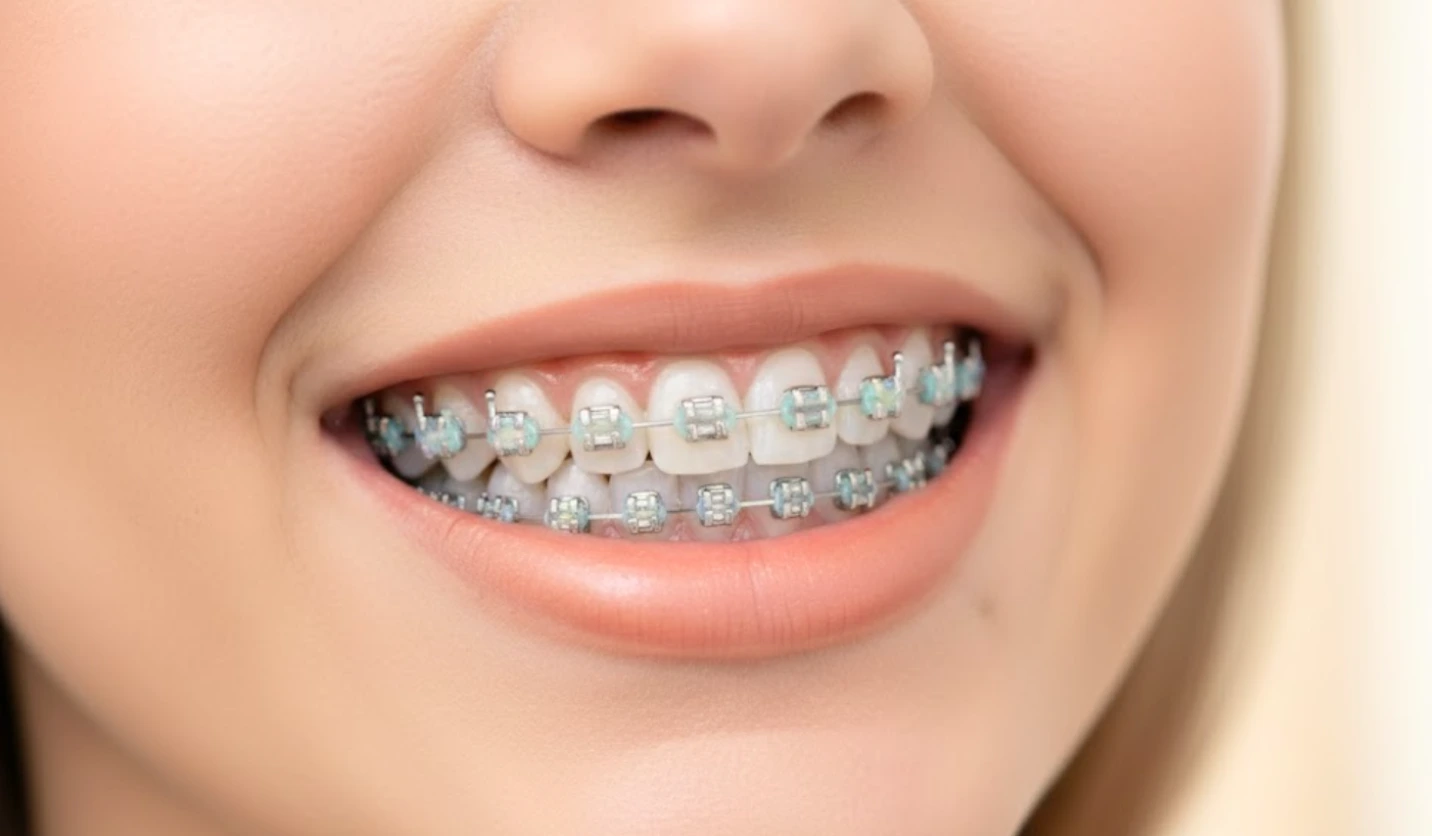
Braces work by applying gentle, controlled pressure to move teeth gradually over time. This process, called bone remodeling, is natural and does not harm teeth when managed by a trained orthodontist. The brackets bonded to your teeth and the wires connecting them are designed to guide teeth into proper alignment without causing damage.
The American Association of Orthodontists confirms that orthodontic treatment is safe for patients of all ages when performed by a qualified specialist. Board-certified orthodontists like Dr. Boris Pinhasov complete years of additional training beyond dental school specifically to move teeth safely and effectively.
The key to safe treatment is choosing an experienced orthodontist and following their care instructions throughout your treatment.
Can Braces Cause Cavities?
Braces themselves do not cause cavities, but poor oral hygiene during treatment can lead to tooth decay.
Brackets and wires create more surfaces where food particles and plaque can accumulate. If these areas are not cleaned properly, bacteria can build up and produce acids that attack tooth enamel. Over time, this can lead to cavities forming around the brackets.
How to prevent cavities with braces:
Brush your teeth after every meal, not just twice a day. Use a soft-bristled toothbrush and fluoride toothpaste. Angle the brush to clean around brackets and along the gumline. Use an interdental brush or proxy brush to clean between brackets. Floss daily using a floss threader or orthodontic flossers. Rinse with fluoride mouthwash for extra protection. Limit sugary and acidic foods and drinks. Attend all scheduled dental cleanings.
Your dentist may recommend more frequent cleanings during orthodontic treatment, typically every 3 to 4 months instead of every 6 months. These professional cleanings remove plaque buildup that is difficult to reach at home.
Can Braces Weaken Tooth Enamel?
Braces do not weaken tooth enamel when proper care is maintained. The bonding material used to attach brackets is designed to hold securely without penetrating or damaging the enamel surface.
However, enamel can become weakened during treatment if oral hygiene is neglected. When plaque is allowed to accumulate around brackets, the bacteria produce acids that demineralize enamel. This can cause white spot lesions, which are areas of weakened, discolored enamel that appear as chalky white marks on the teeth.
White spot lesions are preventable:
White spots are not caused by the braces themselves but by plaque left on the teeth. Patients who brush thoroughly and maintain good oral hygiene throughout treatment do not develop white spot lesions. If you notice white spots forming, talk to your orthodontist immediately. They can recommend additional fluoride treatments or adjust your cleaning routine.
The enamel under your brackets is actually protected during treatment because it is sealed away from food and bacteria. When brackets are removed, the enamel underneath is typically in excellent condition.
Can Braces Make Your Teeth Sensitive?
Some tooth sensitivity is normal during orthodontic treatment, but this is temporary and not a sign of damage.
Why teeth feel sensitive with braces:
When braces apply pressure to move teeth, the periodontal ligament (the tissue connecting teeth to bone) becomes slightly inflamed. This inflammation is part of the normal tooth movement process and can cause temporary sensitivity. Teeth may feel tender when biting down, especially after adjustments.
When sensitivity is normal:
The first few days after getting braces. For 1 to 3 days after adjustment appointments. When eating hard or chewy foods. When teeth are actively moving.
When to contact your orthodontist:
Severe pain that does not improve with over-the-counter pain relievers. Sensitivity to hot or cold that persists for weeks. Sharp pain when biting on a specific tooth. Swelling, bleeding, or signs of infection.
Normal orthodontic sensitivity gradually decreases as your teeth adjust to the pressure. If you experience unusual or persistent sensitivity, contact your orthodontist to rule out other issues.
What Happens If a Bracket Breaks?
A broken bracket does not damage your tooth. Brackets are designed to pop off cleanly if too much force is applied, which actually protects your enamel from damage.
If a bracket breaks:
The tooth underneath is not harmed. Contact your orthodontist to schedule a repair appointment. Use orthodontic wax to cover any sharp edges. Avoid eating hard or sticky foods until the bracket is fixed. Do not try to remove the bracket yourself if it is still attached to the wire.
Why brackets break:
Eating hard, sticky, or crunchy foods. Biting directly into foods with front teeth. Trauma or impact to the mouth. Normal wear over time.
A broken bracket is an inconvenience, not an emergency. However, getting it repaired promptly is important because a missing bracket means that tooth is not being moved properly, which can delay your treatment.
How to Protect Your Teeth During Braces Treatment
Following these guidelines ensures your teeth remain healthy and undamaged throughout orthodontic treatment.
- Brush properly and often. Brush after every meal for at least two minutes. Use a soft-bristled brush and fluoride toothpaste. Clean all surfaces of every tooth, including around each bracket and under the wires.
- Floss daily. Use floss threaders, orthodontic flossers, or a water flosser to clean between teeth. Flossing removes plaque and food particles that brushing cannot reach.
- Avoid damaging foods. Stay away from hard foods like ice, nuts, hard candy, and popcorn. Avoid sticky foods like caramel, taffy, and gum. Cut hard fruits and vegetables into small pieces instead of biting into them.
- Wear a mouthguard for sports. If you play contact sports, wear an orthodontic mouthguard to protect both your teeth and your braces from impact.
- Attend all appointments. Keep your regular orthodontic adjustment appointments and dental cleaning appointments. These visits allow your care team to monitor your oral health and catch any issues early.
- Follow your orthodontist’s instructions. Your orthodontist provides specific guidelines for your treatment. Following these instructions protects your teeth and keeps treatment on track.
Why Choosing a Board-Certified Orthodontist Matters
The skill and training of your orthodontist plays a significant role in the safety of your treatment.
Board-certified orthodontists have completed additional years of specialized training beyond dental school. They understand the biology of tooth movement and how to apply forces safely. They can identify and prevent potential problems before they occur.
Dr. Boris Pinhasov is a Diplomate of the American Board of Orthodontics, a distinction achieved by fewer than one in three orthodontists. With 20 years of experience and training from NYU College of Dentistry and Maimonides Medical Center, he provides the highest standard of orthodontic care.
“Everyone deserves our best, all the time,” says Dr. Boris Pinhasov. “We use modern techniques and careful monitoring to ensure every patient completes treatment with healthy, beautiful teeth.”
At BP Smiles Orthodontics, patients receive thorough instructions on caring for their teeth during treatment. The team monitors oral health at every appointment and coordinates with your dentist to maintain your overall dental health.
Located at 208-09 Union Turnpike in Flushing, BP Smiles has earned over 170 five-star Google reviews from Queens families. Schedule your free consultation to learn how braces can safely transform your smile.
Frequently Asked Questions
Do braces leave marks on teeth?
Braces do not leave marks on teeth when proper oral hygiene is maintained. White spot lesions can occur if plaque is allowed to build up around brackets, but these are caused by poor cleaning, not the braces themselves. Patients who brush and floss properly have no marks when braces are removed.
Can braces cause permanent damage?
No, braces do not cause permanent damage when treatment is performed by a qualified orthodontist and the patient follows care instructions. Teeth may feel sensitive during treatment, but this is temporary. Any issues like cavities or white spots are preventable with proper oral hygiene.
Is it normal for teeth to feel loose with braces?
Yes, some looseness is normal. Teeth must loosen slightly to move through the bone. This is part of the natural remodeling process and does not mean your teeth are being damaged. Once teeth reach their final positions and braces are removed, they will tighten back up.
Do braces damage tooth roots?
Root resorption (shortening of tooth roots) can occur in some patients during orthodontic treatment, but it is typically minor and does not affect tooth health or stability. Your orthodontist monitors for this with periodic X-rays and adjusts treatment if needed.
Are ceramic braces safer than metal braces?
Both ceramic and metal braces are equally safe for your teeth. The choice between them is primarily cosmetic. Ceramic braces are less visible, while metal braces may be slightly more durable. Neither type damages teeth when proper care is followed.
Medically reviewed by Dr. Boris Pinhasov, Board-Certified Orthodontist.
This content is for educational purposes only and is not intended as medical advice, diagnosis, or treatment. Please consult a qualified healthcare provider for personalized recommendations.
