
Mouthguards
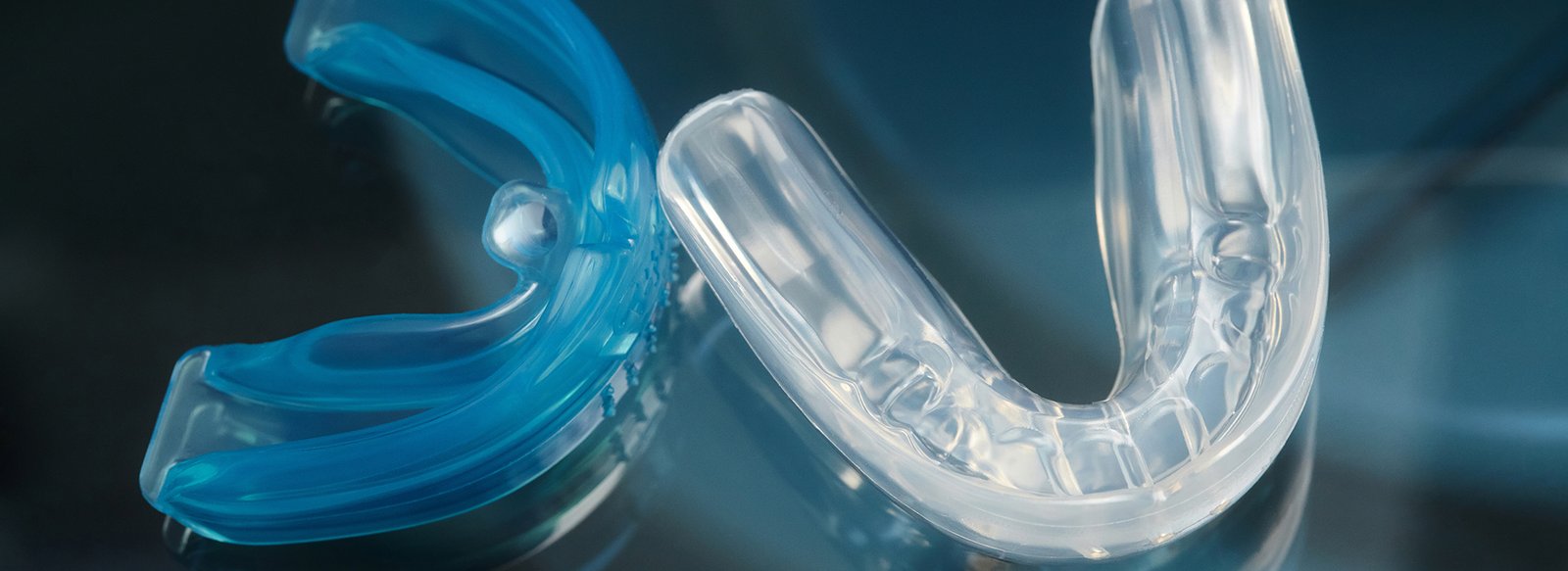
A properly fitted mouthguard is one of the most important pieces of protective equipment for any patient wearing braces or other orthodontic appliances. Whether your child plays basketball at school, your teen competes in soccer, or you stay active with recreational sports as an adult orthodontic patient, a mouthguard shields both your teeth and your appliances from impact injuries. Dr. Boris Pinhasov, Board-Certified orthodontist and ABO Diplomate at BP Smiles Orthodontics in Queens, recommends that every patient involved in physical activity wear a mouthguard designed for use with orthodontic appliances.
Why Mouthguards Matter During Orthodontic Treatment
Braces create additional risk during sports and physical activity. A blow to the face can damage brackets, snap archwires, and cause the metal components of your appliances to cut into your lips, cheeks, and gums. Without a mouthguard, a single impact can result in a broken appliance that requires an emergency visit, extends your treatment time, and adds unnecessary cost. Beyond protecting your appliances, a mouthguard also cushions the teeth themselves, reducing the risk of chipped, cracked, or knocked-out teeth.
The American Association of Orthodontists recommends that all orthodontic patients wear a mouthguard during any activity where there is a risk of contact with other players, equipment, or hard surfaces. This includes obvious contact sports like football and hockey, but also activities such as basketball, soccer, baseball, skateboarding, martial arts, gymnastics, and cycling.
Types of Mouthguards
Not all mouthguards are the same, and choosing the right one makes a significant difference in both comfort and protection.
Custom-fitted orthodontic mouthguards are the gold standard. These are made from impressions or digital scans of your teeth and appliances, resulting in a mouthguard that fits precisely over your brackets and wires. Custom guards provide the best protection, the most comfortable fit, and allow normal breathing and speaking during play. Dr. Pinhasov can recommend or provide custom mouthguards that accommodate your specific orthodontic setup.
Boil-and-bite mouthguards are available at most sporting goods stores. You soften them in hot water and then bite into the material to create a semi-custom fit. For orthodontic patients, look for models specifically labeled as orthodontic or braces-compatible. Standard boil-and-bite guards can press too tightly against brackets and may not provide adequate coverage. While less precise than a custom guard, an orthodontic boil-and-bite mouthguard is a solid option for patients who need protection quickly.
Stock mouthguards come in pre-formed sizes and require no fitting. They are the least expensive option, but they also provide the least protection and the worst fit. Stock guards tend to be bulky, can interfere with breathing and speech, and often do not cover brackets adequately. Dr. Pinhasov generally does not recommend stock mouthguards for orthodontic patients because they cannot adapt to the unique shape of braces.
Which Sports Require a Mouthguard?
Any sport or activity that involves a risk of facial impact should include a mouthguard as standard protective equipment. For orthodontic patients, that list is broader than many families expect:
- Football, hockey, lacrosse, and rugby (full-contact)
- Basketball, soccer, and baseball/softball (collision-risk)
- Martial arts, wrestling, and boxing
- Skateboarding, rollerblading, and BMX biking
- Gymnastics and cheerleading
- Skiing and snowboarding
Even non-contact activities such as mountain biking or rock climbing carry fall risks that make a mouthguard a wise precaution for anyone in braces.
How Mouthguards Protect Brackets and Teeth
An orthodontic mouthguard works by distributing the force of an impact across a wider area rather than concentrating it on a single bracket or tooth. The flexible material absorbs shock and creates a barrier between your appliances and the soft tissues of your mouth. This means that even if you take a hit to the face, the mouthguard prevents your brackets from slicing into your lips or cheeks and keeps your archwire from bending or breaking.
For Invisalign patients, the aligners themselves provide a thin layer of protection, but they are not designed as mouthguards and should not be relied on during sports. Invisalign patients should remove their aligners and wear a proper sport mouthguard during any physical activity with impact risk.
Dr. Pinhasov’s Recommendations for Active Patients
As the Program Director of Orthodontics at Maimonides Medical Center, Dr. Pinhasov sees the full spectrum of orthodontic injuries – including those that could have been prevented with a mouthguard. His recommendation is simple: if there is any chance of contact or a fall, wear a mouthguard. He advises replacing your mouthguard whenever it becomes worn, no longer fits properly after an adjustment, or develops tears in the material.
For children and teens in particular, building the habit of wearing a mouthguard early helps protect both their investment in orthodontic treatment and their long-term oral health. If you have questions about which mouthguard is right for your treatment or need to schedule a fitting, contact BP Smiles Orthodontics and our team will help you find the best solution for your needs.